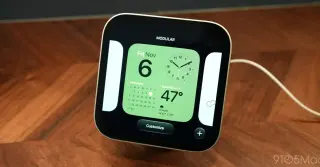
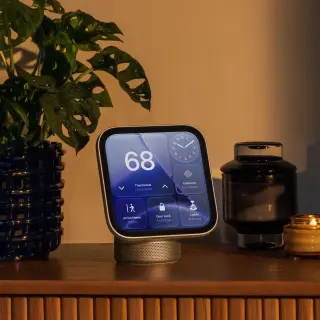
Apple’s new HomeView smart display has launched to mixed reviews, with critics praising its design and audio but citing severe repairability issues and widespread software bugs among early adopters.
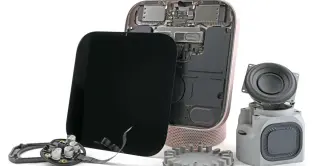
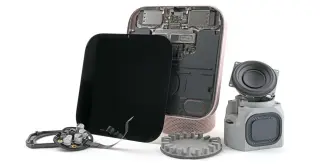
iFixit’s teardown of the Apple HomeView reveals a device that is exceptionally difficult to repair, scoring poorly due to extensive adhesive bonding. While the hardware design is praised for its aesthetics and audio, early adopters are facing significant software bugs, and the device’s repairability marks a sharp regression from recent Apple products.
Days after its November 13 launch, some Apple HomeView owners report issues with timers, music playback, and Siri responsiveness. While the hardware is praised, software bugs cause commands to fail or execute on paired iPhones instead of the hub. Apple has not yet confirmed a fix for these specific errors, though a future update is expected.
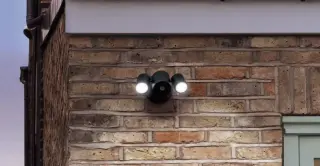
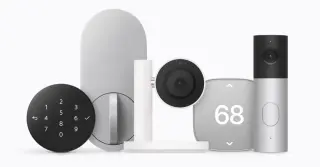
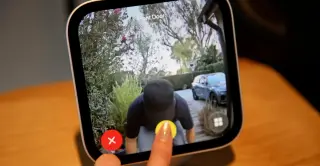
Apple has opened pre-orders for the first three accessories in its new Apple Home Collection, a smart home lineup co-developed with LG and Schneider Electric. The initial batch includes an LG video doorbell, indoor camera, and outdoor camera, all priced between $199.95 and $299.95. These devices are designed to integrate seamlessly with the Apple Home app and the newly launched HomeView smart display, eliminating the need for third-party accounts. Pre-orders are available now, with estimated delivery dates in mid-December. The remaining items in the collection, including smart locks and thermostats, are expected to become available later in 2026 or early 2027.
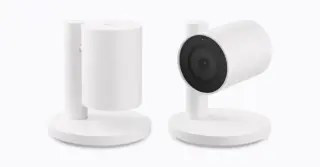
Apple has opened pre-orders for the first three devices in its new Apple Home Collection, including LG-branded indoor and outdoor cameras and a video doorbell. These items are set to ship in mid-December, while the rest of the lineup, developed with LG and Schneider Electric, will roll out through early 2027. The devices integrate with the new HomeView display and use Thread for connectivity, though they lack exclusive hardware features beyond streamlined setup.
Apple has released its fourth-generation Apple TV 4K and the new HomeView smart display. The $299 streamer features an A19 chip, far-field microphones, and support for a four-speaker HomePod surround system. While the hardware is powerful, critics argue the price is too high for most users, and Siri AI performance remains inconsistent.
Pre-orders for select Apple Home Collection accessories begin on November 13, coinciding with the launch of the HomeView smart display and new Apple TV 4K. The initial batch includes LG-branded indoor and outdoor cameras, a video doorbell, and a floodlight camera, with shipments starting in December. These devices feature end-to-end encryption and integrate directly with the Home app, eliminating the need for third-party accounts. While Apple has not confirmed the full list of pre-orderable items, the lineup includes smart thermostats and locks developed with LG and Schneider Electric, with remaining products expected to arrive by early 2027.
Apple’s HomeView smart display launches November 13 for $299, but leaked code in iOS 27.3 and HomeView software 27.2 suggests upcoming features for security cameras and third-party AI chatbots. These additions are unannounced and not guaranteed for launch.
Apple is delaying its robotic smart home hub, codenamed J595, until 2027 or 2028. The device, likely named HomeView Ultra, features a 9-inch swiveling screen and costs around $1,000. Hardware prototypes are complete, but software teams are struggling to finalize AI features for autonomous movement and light control.
Reddit user pdfu discovered hidden strings in HomeView software 27.2 suggesting the device may support a security camera mode with motion detection and recording. Apple has not confirmed this feature, but privacy-focused indicators and configurable settings imply it is in development.
Apple released HomeView Software 27.2 on October 30, offering a preview of the interface for its new smart home hub. The update reveals 20 default wallpapers, a new 'BreadBoard' launcher, and Control Center features. The device, priced at $299, launches on November 13 alongside the fourth-generation Apple TV 4K. While the software mirrors iOS aesthetics, it relies on CarPlay for third-party app support rather than a dedicated App Store.
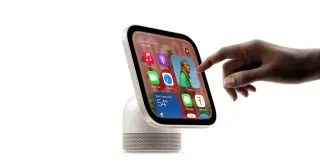
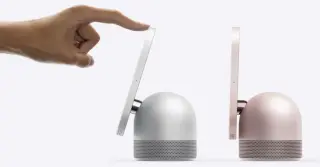
Apple is developing a premium version of its new HomeView smart display, code-named J595, featuring a 9-inch screen and a motorized robotic arm that allows the device to rotate 360 degrees. According to Bloomberg, this upgrade aims to address user complaints about the current static design, which requires manual repositioning when multiple people are present. The new model is expected to launch in 2027 or 2028 at a higher price point than the current $299 device.
Apple is developing a premium version of its HomeView smart hub, featuring a 9-inch screen and a 360-degree rotating arm, with a launch expected in 2027 or 2028.
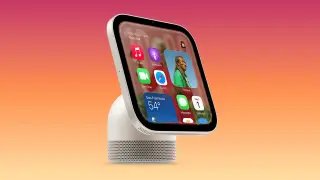
Apple has launched its first smart display, the HomeView, alongside a new hardware collection with LG and Schneider. The $299 device features a 7-inch screen, privacy-focused facial recognition, and deep integration with Siri AI and the iPhone ecosystem. While analysts view this as a strategic move to boost Services revenue and ecosystem lock-in, critics note Apple is late to the smart display market and relies on a limited app ecosystem.
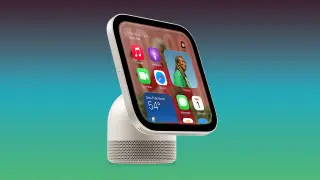
Apple has officially entered the smart display market with the HomeView, a 7-inch device priced at $299 that consolidates smart home controls, communication, and media into a single hub. Announced at a New York event, the device arrives alongside the first native Apple smart home hardware lineup, the Home Collection, developed with partners LG and Schneider Electric. The HomeView features facial recognition for up to six users, an A18 chip, and deep integration with the new Siri AI. While it offers a privacy-first approach and seamless iPhone connectivity, it lacks an App Store and relies on CarPlay for third-party media apps. Sales begin on November 13, marking Apple's first major push to compete with Amazon and Google in the connected home space after years of relying on third-party developers.