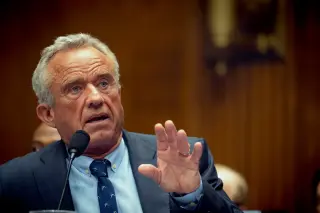
Health Secretary RFK Jr. will be grilled in a marathon congressional hearing over his vaccine policies, leadership changes at the agency, and the department’s budget, as vaccines debates and midterm politics shape the questions.
Lorena Alvarado Hill, a Florida teacher’s aide, was billed for medical care after her government-subsidized insurance was canceled over a 1-cent premium, leading to thousands in bills; she fought back under state and federal law and ultimately had her balances reduced to zero, highlighting flaws in automated billing and the need to monitor small debts.
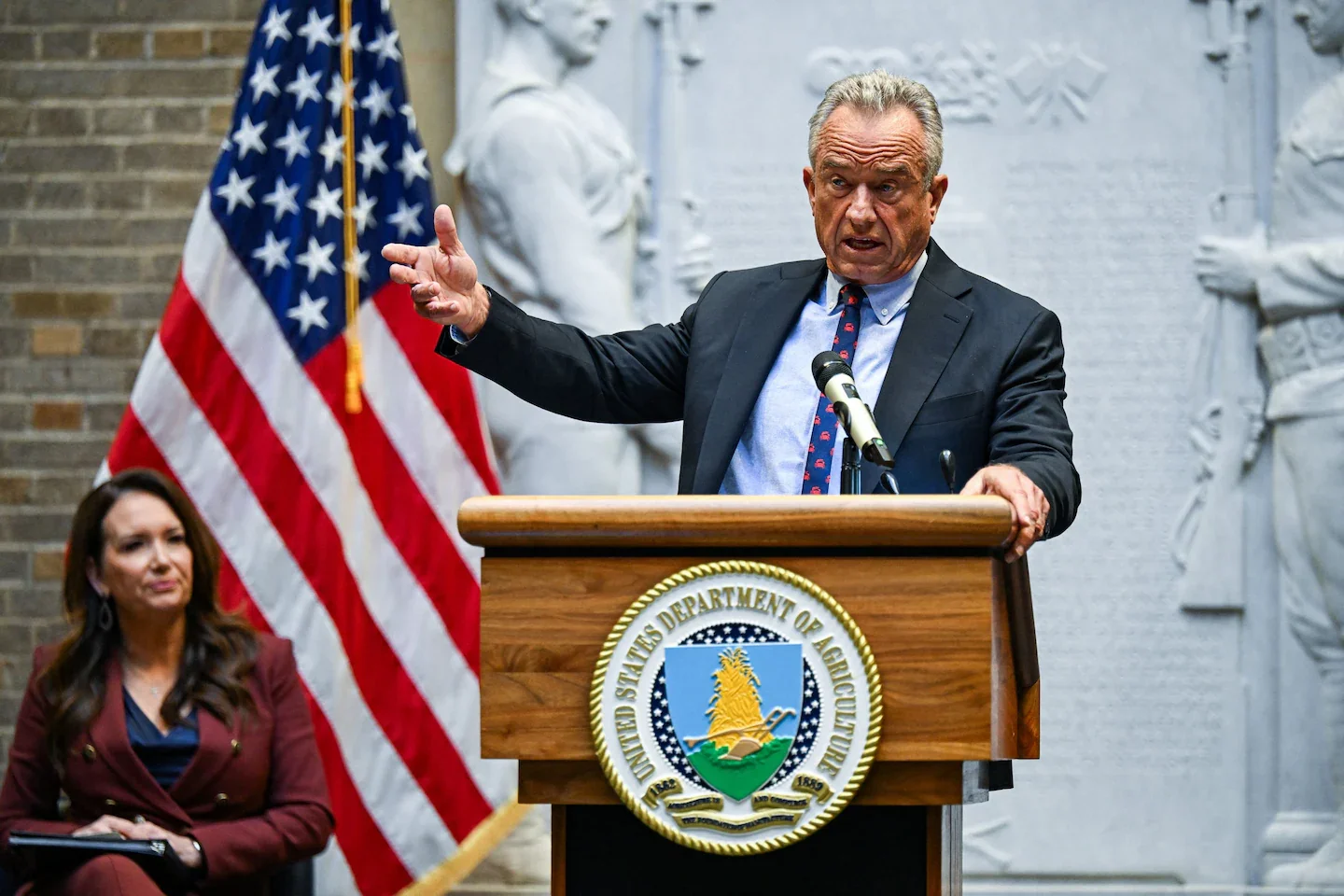
The Washington Post’s The Post's View argues that RFK Jr.’s push to loosen peptide regulations contradicts FDA scientists’ warnings that many peptides are ineffective and potentially dangerous, accusing him of hypocrisy for promoting an experimental wellness trend while doubting vaccines.
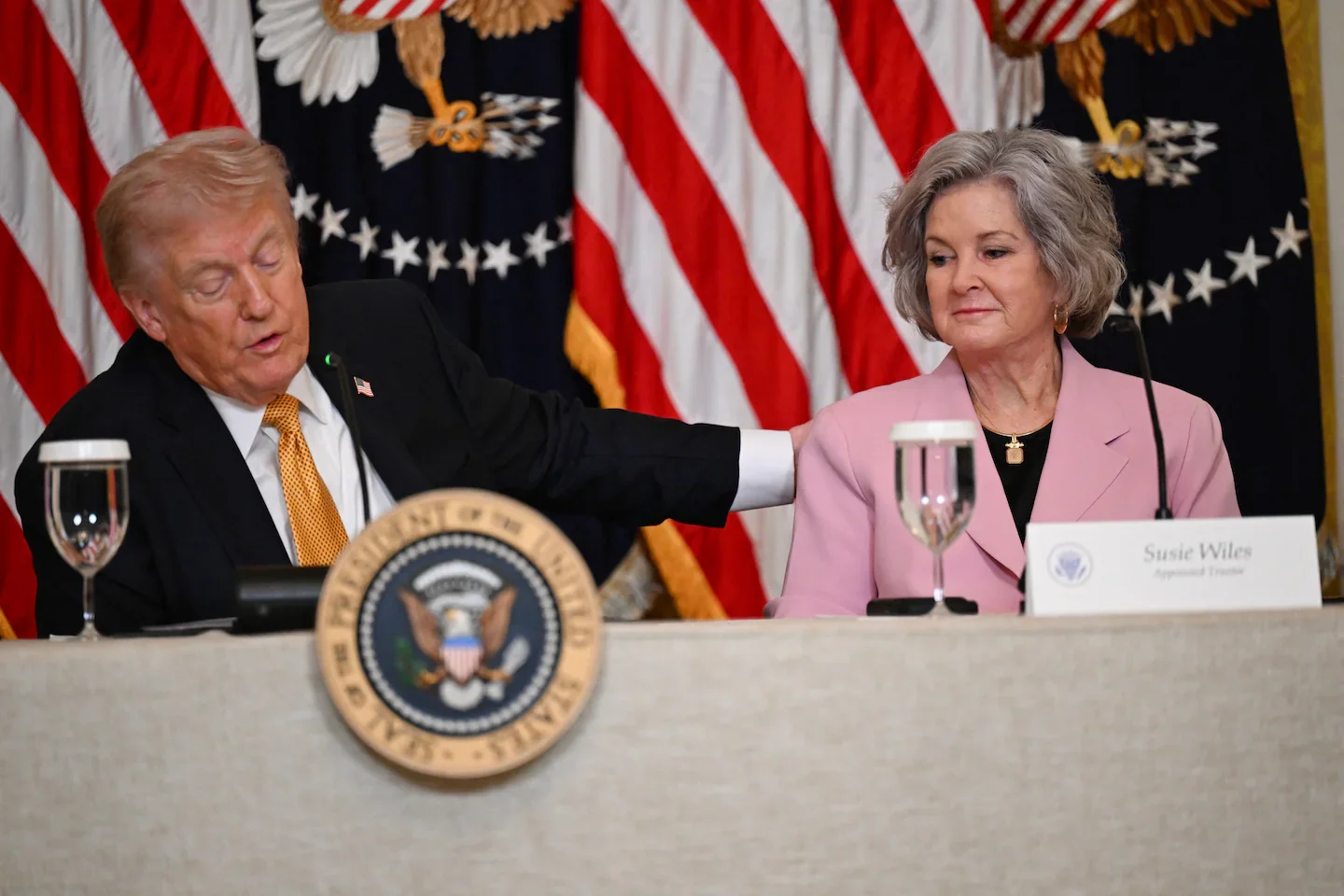
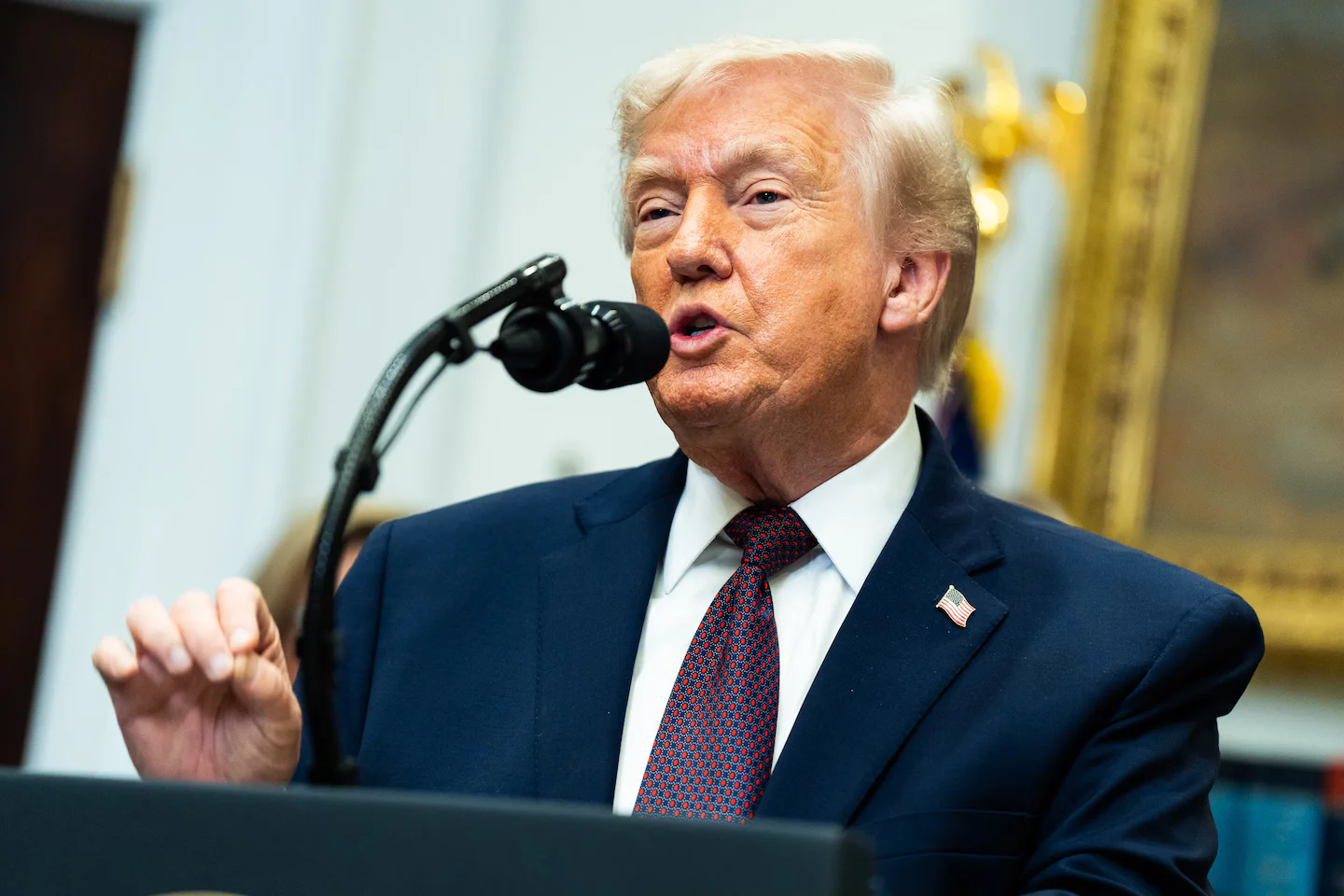
Susie Wiles, the White House chief of staff and longtime Trump confidante, has been diagnosed with early-stage breast cancer. President Trump said the prognosis is excellent and that Wiles will continue to work while undergoing treatment.
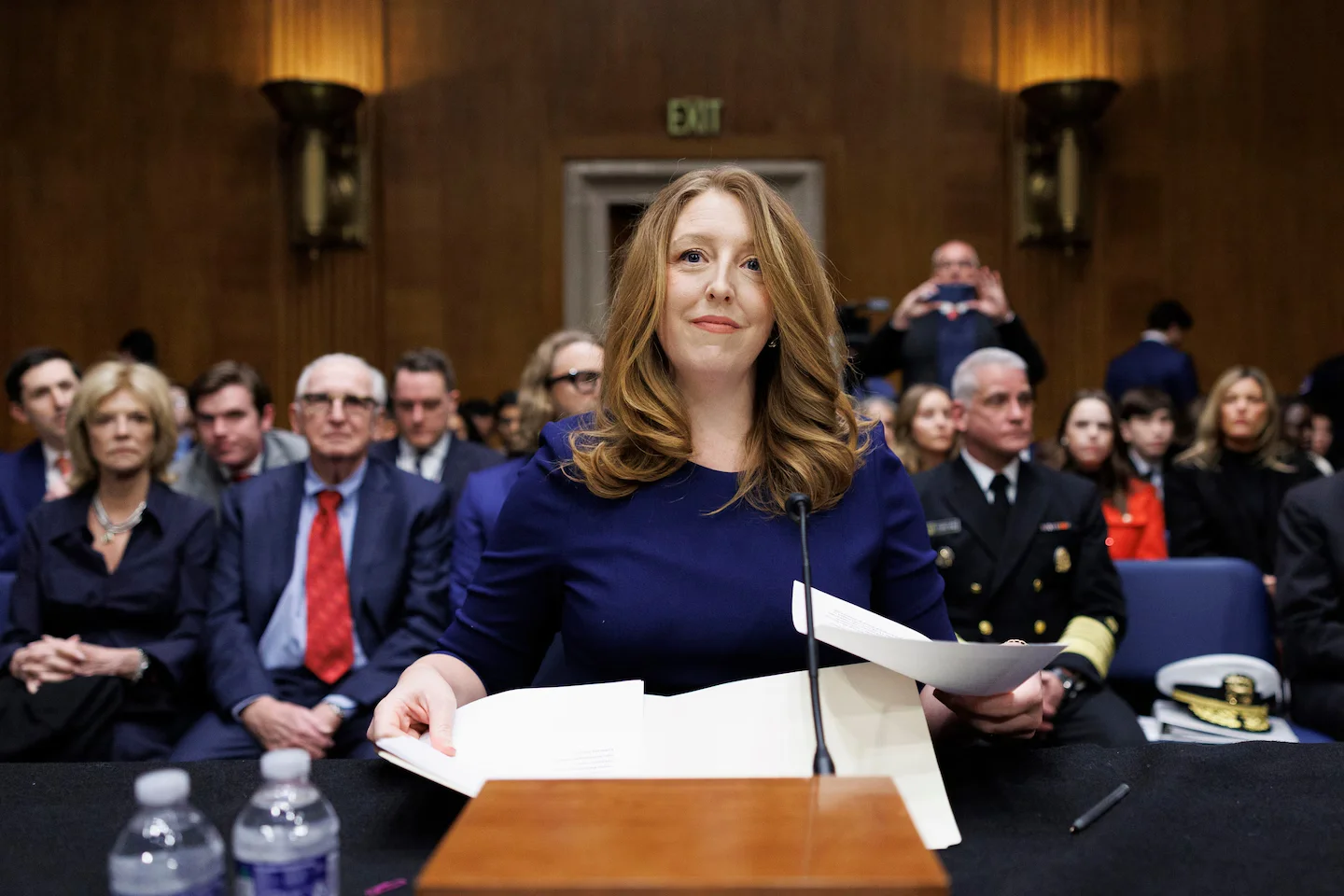
Surgeon general nominee Casey Means faced questions from the Senate Health Committee about her views on vaccines, pesticides, and RFK Jr.’s vaccine stance, while lawmakers scrutinized her past business ties and potential conflicts of interest as they weigh her nomination.
A Washington Post poll finds health care costs are Americans’ top pocketbook worry, surpassing food and rent, with rising premiums and out‑of‑pocket costs shaping concerns ahead of the 2026 midterms.
Trump rolled out a “Great Healthcare Plan” centered on cost-cutting ideas but stopped short of presenting a full replacement for the Affordable Care Act, marking a policy push ahead of the midterm elections without delivering a detailed ACA substitute.
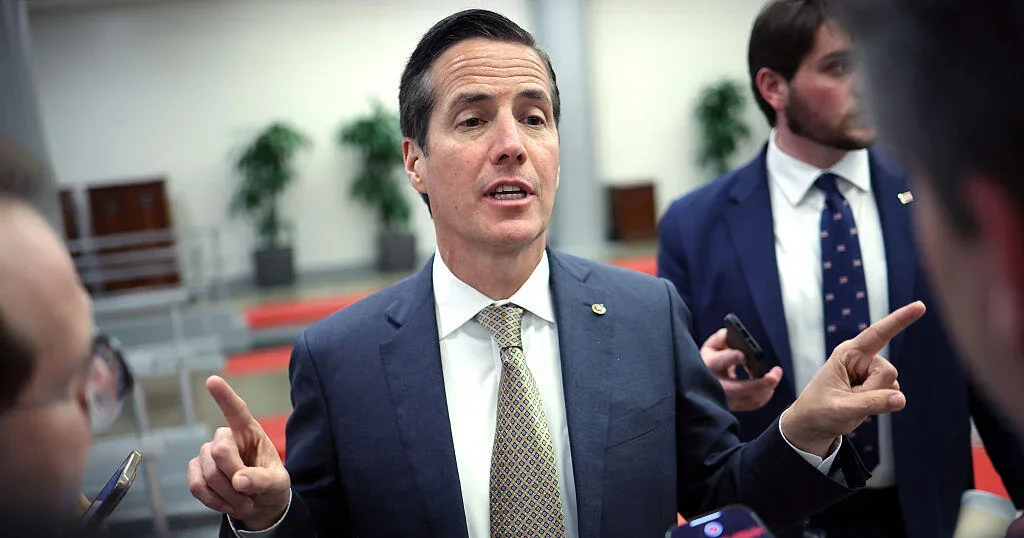
Republican senators say a long-sought bipartisan plan to extend the ACA's enhanced premium tax credits for two years has stalled, with a key fight centering on Hyde language and White House buy-in. The proposal would extend the open enrollment period, set an income cap at 700% of the federal poverty level, require a minimum premium, impose a $100,000 fraud penalty, and in the second year allow funds to go into HSAs. Democrats blame Republicans for the halt, while some House and Senate leaders discuss a vehicle for the extension, leaving subsidy relief uncertain as enrollment deadlines approach.
House Republicans are planning a key vote on health care policies that could impact insurance costs nationwide, with internal divisions over extending Obamacare subsidies and efforts to navigate midterm election challenges. Moderate Republicans are pushing for a two-year extension of ACA subsidies, while hard-liners oppose this, pairing the bill with restrictions on transgender surgeries for minors. The outcome of this vote reflects the GOP's struggle to present a unified health care message ahead of the 2024 elections.
House Republicans are debating a vote on a health care package that does not include extending Obamacare subsidies, risking a spike in insurance costs, with moderate Republicans pushing for a two-year extension amid internal party disagreements and upcoming midterm elections.
The article discusses recent political developments including a close House special election in Tennessee, internal GOP disagreements over legislation and policy priorities such as health care and the NDAA, and ongoing challenges for Speaker Mike Johnson in managing party unity and legislative agendas.
Republicans are heading towards an expiration of Obamacare subsidies without a unified plan, aiming to blame Democrats for the lapse and promote their narrative that Obamacare is too costly, while behind-the-scenes discussions about potential bipartisan solutions continue.
The expiration of enhanced ACA premium tax credits at the end of the year is a key issue in the federal funding impasse, with Texas Republicans generally opposing extending the credits due to cost and reform concerns, while Democrats see the potential for political gains by emphasizing the impact of rising health insurance costs on Texas residents.
The Trump administration's impact on the health care industry remains uncertain as different factions within the Republican Party vie for influence. The pro-business wing favors deregulation and lower taxes, while the populist wing is critical of large corporations, including pharmaceutical companies. Potential policy changes could affect insurers if Affordable Care Act subsidies expire and hospitals if Medicaid cuts lead to more uninsured patients.