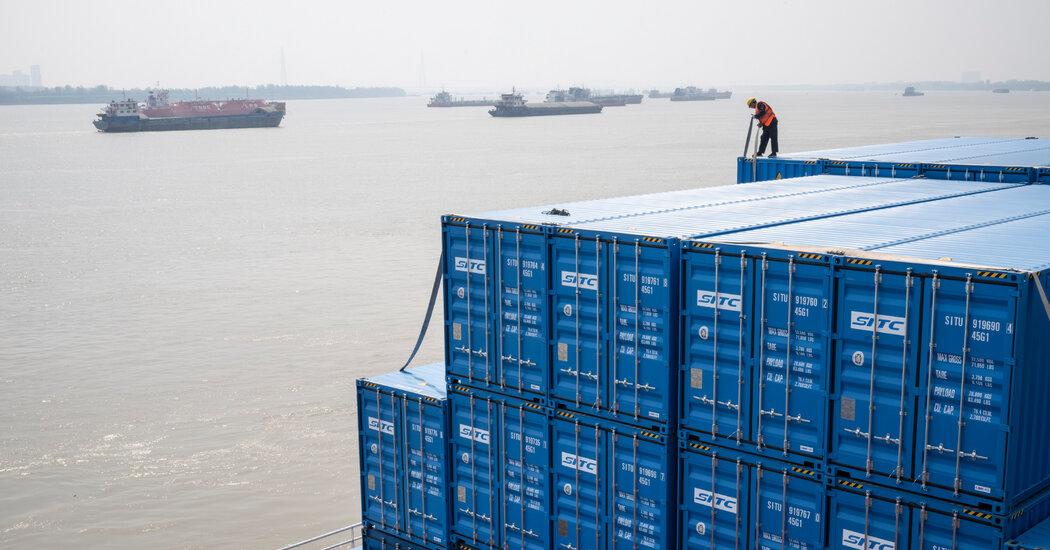
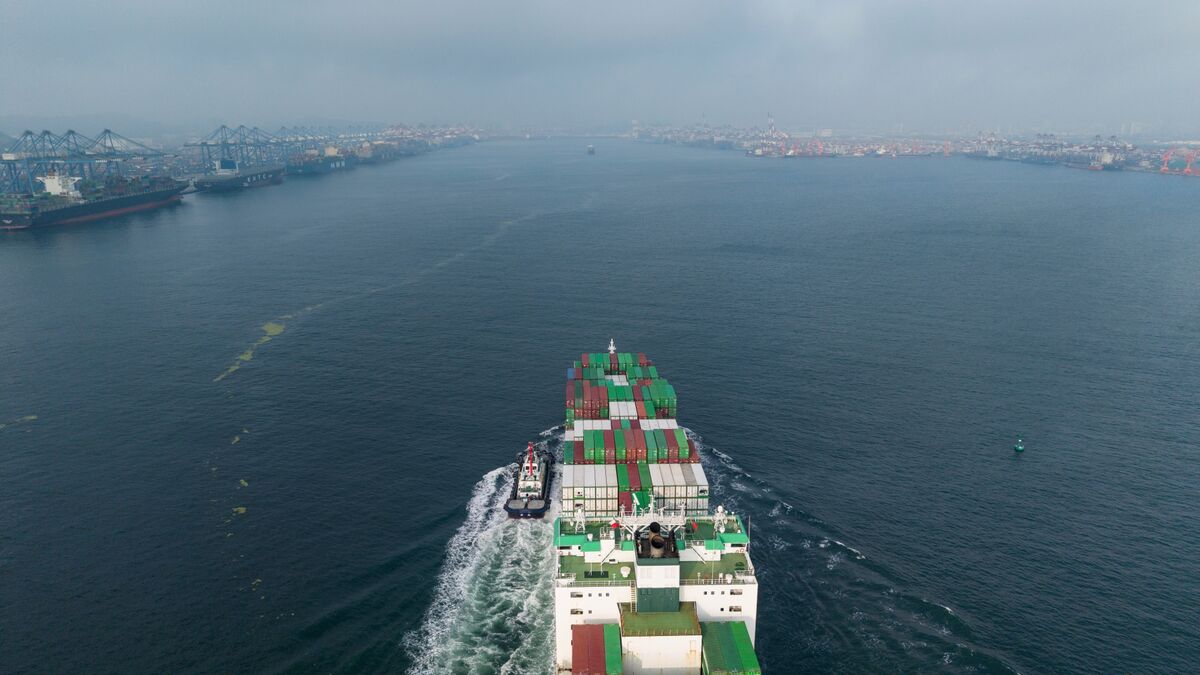
Tariff refunds have begun to be issued to eligible importers, with a heavy-truck manufacturer and a toy company among the first recipients as payments start flowing out.
The Supreme Court invalidated roughly $166 billion in IEEPA tariffs, but refunds are far from automatic. The CAPE system requires about 330,000 importers to file detailed, entry-by-entry claims, with many entries excluded and refunds potentially delayed 60–90 days per importer. Large firms and Wall Street buyers may win, while small importers, nonprofits, and taxpayers shoulder higher costs and delayed relief; consumer refunds are unlikely. The process risks ongoing uncertainty as the government weighs appeals, and total interest on overdue refunds could amount to several billions. In short, the refunds are likely to be slower, smaller, and more uneven than advocates hoped, underscoring the policy’s chaotic legacy.
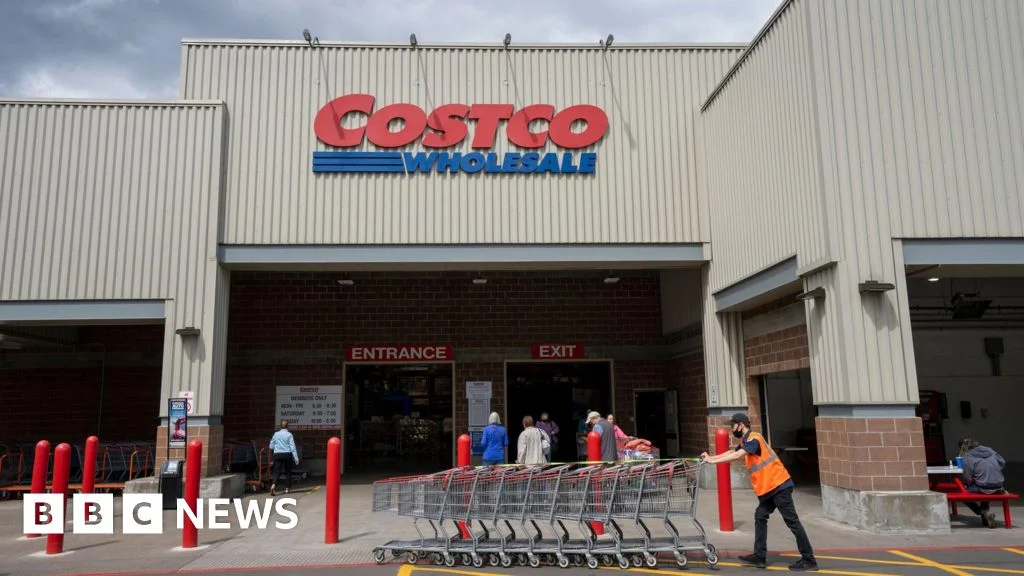
The Trump administration moved quickly to build a system to reimburse billions of dollars in tariffs, but the White House is now pressuring companies not to seek refunds, leaving importers to decide whether to pass savings to customers or risk political backlash. The refund pool could reach about $165 billion, with roughly 57,000 importers already starting the eligibility process out of an estimated 300,000 who paid tariffs. Costco signaled it would return value to members via lower prices, while some CEOs warn that not filing could invite litigation. The White House has not yet said whether it will appeal a court ruling limiting refunds, and the Supreme Court previously narrowed the tariffs under IEEPA.
The Trump administration has begun accepting refunds for more than $166 billion in tariffs through a new Cape digital claims system, months after the Supreme Court ruled the president lacked authority to impose them. The initial phase can process about 63% of affected imports, with funds expected in 60–90 days. More than 3,000 companies, including Skechers, Revlon, Toyota, Nintendo of America, FedEx, and Costco, have sued for refunds. Only those who paid the tariffs are eligible, not ordinary consumers; FedEx may pass refunds to customers and Costco has floated possible price cuts. In Phase 1, refunds apply to entries unliquidated or liquidated in the last 80 days; cases tied up in disputes remain ineligible.
The Trump administration has launched an online portal via US Customs and Border Protection to begin refunding about $166 billion in tariffs invalidated by the Supreme Court, covering more than 53 million shipments from roughly 330,000 importers. Refunds should be issued within 60–90 days after CBP approves each claim, and the process could eventually reach consumers; more than 3,000 businesses, including FedEx and Costco, have pursued refunds through lawsuits.
The Trump-era tariff refunds program will roll out with CAPE, a centralized system that will issue electronic refunds for roughly $166 billion in tariffs the Supreme Court ruled unlawful under the IEEPA. CBP says the initial phase will consolidate refunds into a single payment with interest rather than processing by entry. As of April 9, about 56,497 importers had completed the process for roughly $127 billion in refunds; rollout will be phased, with consideration given to handling a subset of entries tied to $2.9 billion in tariffs manually to avoid overburdening trade operations. The refunds follow litigation in the Court of International Trade, and some smaller importers have warned the cost may exceed benefits.
A proposed Illinois class-action alleges Costco unjustly profited from tariffs by raising prices and seeks refunds for shoppers from potential tariff reimbursements owed after the Supreme Court voided Trump-era tariffs. The case reflects the broader, uncertain process to distribute roughly $166 billion in tariff refunds, with the government saying refunds will take time and many importers could be eligible. Costco has not commented, while FedEx and others have pledged to return charged tariffs if refunds materialize.
The Financial Times reports the U.S. government has declined to refund tariffs deemed illegal by the Supreme Court, leaving importers’ refund requests in limbo as customs officials deny or suspend repayments. The government has collected more than $130 billion in these duties, while a trade-court order to begin refunds has yet to be implemented amid unclear guidelines and no immediate comment from the White House or CBP.
A U.S. judge ruled that companies are eligible to receive refunds of tariffs imposed during the Trump administration after the Supreme Court overturned those tariffs, a decision that could unlock billions in claims as importers seek repayment.
The Supreme Court has struck down the Trump-era tariffs, setting the stage for refunds to importers. The ruling kicks off a complex, multi-agency process to determine eligibility, calculate amounts, and issue refunds, with businesses and the government awaiting detailed procedures and timelines.
Trump economic adviser Kevin Hassett called a New York Fed tariff study "embarrassing" and urged the authors be disciplined after the research found U.S. importers bore about 90% of tariff costs, a result that contradicts the White House narrative; some economists say the findings align with standard analysis, while the NY Fed remains independent.
The likelihood of tariff refunds for businesses has increased after the Supreme Court questioned the Trump administration's tariffs, raising questions about eligibility and the complex process of refunds, which could involve delays, appeals, and potential involvement of investment banks offering quick cash at a discount. The outcome remains uncertain, with potential for a significant impact on businesses and government revenue.
A federal appeals court ruled that President Trump overstepped his authority in imposing tariffs, potentially leading to a $150 billion refund for American businesses that paid these tariffs, though the process to recover the money may involve significant bureaucracy and legal challenges. The case could be escalated to the Supreme Court, which might influence whether refunds are automatic or require additional legal action.
The Trump administration has introduced a new, complex tariff system targeting goods that are transshipped through multiple countries, especially from China, with unclear rules causing confusion among importers and supply chain professionals about how these tariffs will be enforced and applied, potentially impacting global supply chains and costs.
As the US trade deadline approaches, importers and customs brokers are anxiously awaiting detailed guidance on new tariffs announced by President Trump, facing complex regulatory changes, software updates, and uncertainty about enforcement, which could impact global trade flows and compliance costs.