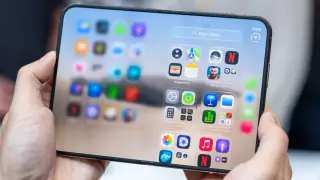
Apple released iOS 26.6.1, iPadOS 26.6.1, visionOS 26.6.1, and macOS 26.6.2 with security fixes first revealed in beta builds; it also rolled out iOS 18.7.10 and iPadOS 18.7.10, with visionOS fix details coming soon.
WhatsApp will require iOS 15.5 or newer and iPadOS 15.5 or newer starting November 30, 2026. Some older devices can update to 15.5, but devices like iPhone 6s/6s Plus, iPhone SE (1st gen), iPhone 7/7 Plus, iPad Air 2, and iPad mini 4 will need the latest available build (iOS 15.8.8 / iPadOS 15.8.8) to continue using WhatsApp.
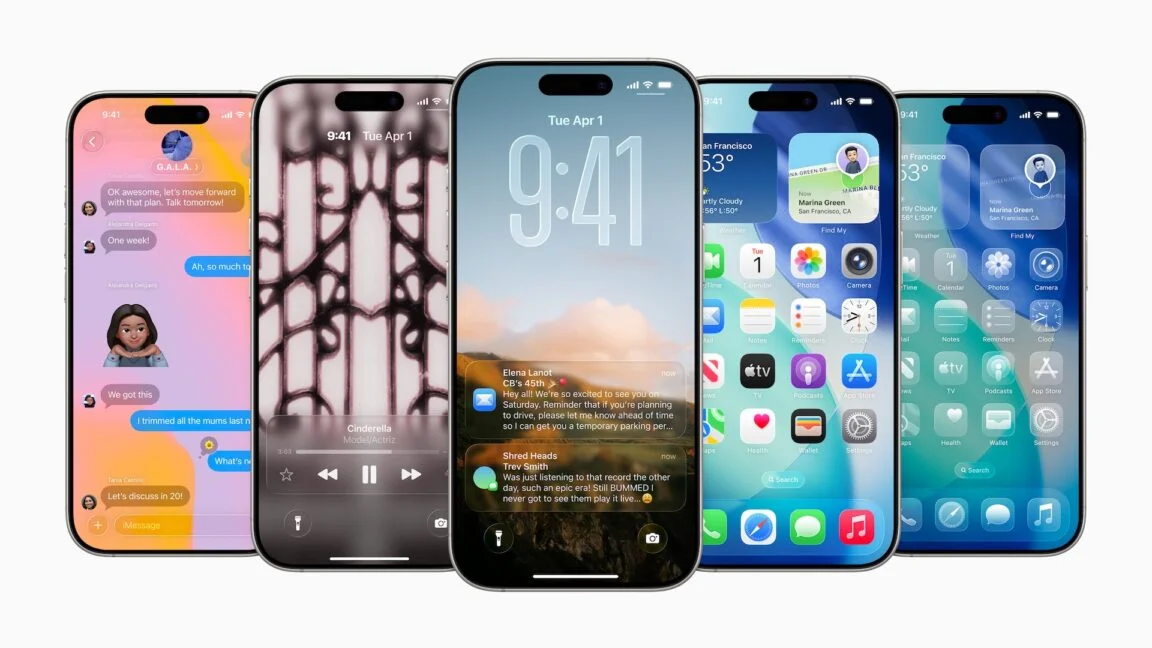
At WWDC 2026 Apple announced iOS 27 and iPadOS 27, prioritizing stability with a major Siri AI upgrade powered by third‑gen foundation models, faster app launches and network switching, and new AI features in Photos (Extend, Spatial Reframing, Image Playground). The updates also bring one‑tap contextual actions in Messages, Mail, and Phone, easier Shortcuts, Safari topic-based tab organization and extensions, plus accessibility, parental controls, and smarter Home/Health features. Apple Intelligence remains device‑limited to newer hardware (iPhone 15 Pro and up and select iPads). Compatibility includes iPhone 11 and newer and certain iPad models; developer beta is available now, with a public beta in July and a final release likely in September.
Apple has released the first developer betas for iOS 27, iPadOS 27 and macOS 27 after WWDC 2026, available to enrolled developers via Settings, with watchOS, tvOS and visionOS updates also rolling out. The betas feature Siri AI and Apple Intelligence enhancements for photo editing and other improvements, serving as a preview before public betas later this summer and final releases in the fall.
Rumors suggest iOS 27, iPadOS 27, and macOS 27 will drop support for several older devices, including iPhone 11 family and iPhone SE (2nd gen); iPad (8th gen), iPad Air 3, and iPad mini 5; and older Intel-based Macs like the 2019 16‑inch MacBook Pro, 2020 13-inch MacBook Pro with four Thunderbolt 3 ports, iMac 2020, and Mac Pro 2019, with Apple already confirming Intel Macs will not run macOS 27.
Apple has released developer beta 1 for iOS 26.6, iPadOS 26.6, macOS Tahoe 26.6, watchOS 26.6, tvOS 26.6, visionOS 26.6, and HomePod 26.6 ahead of WWDC, with Apple yet to reveal new features; the company is expected to unveil iOS 27 and other updates at the June 8 WWDC keynote.
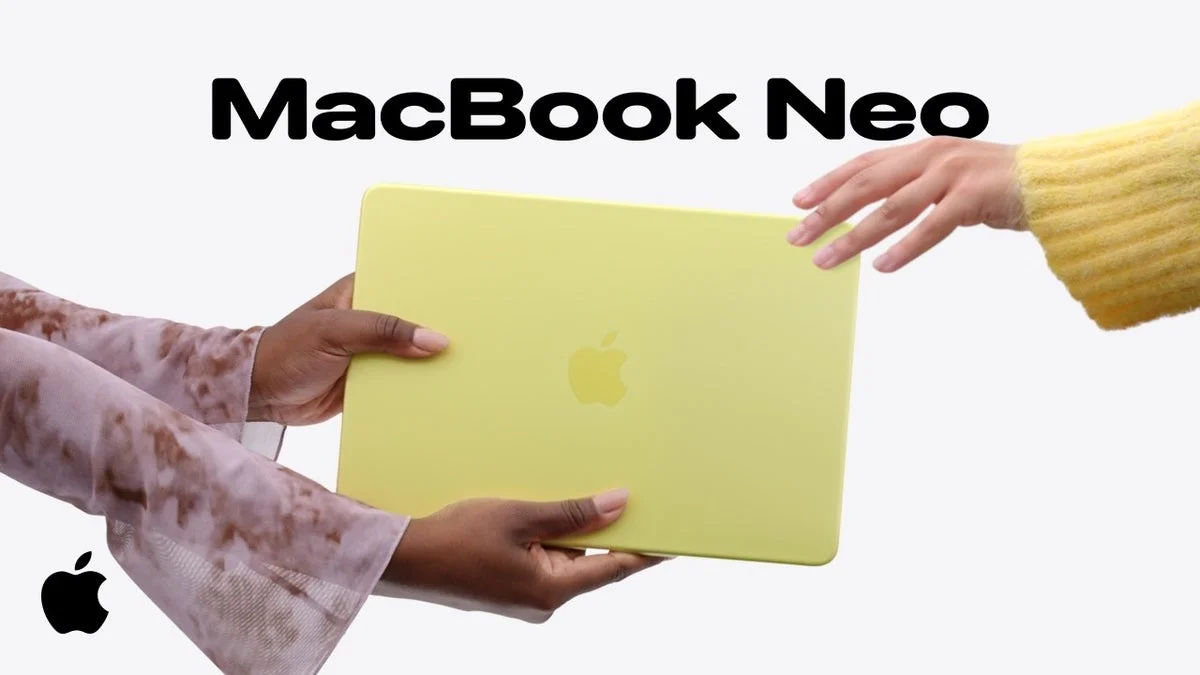
As rumors swirl of a folding iPhone and a touchscreen MacBook, the iPad’s once-clear niche looks increasingly uncertain: the new affordable MacBook Neo narrows the price gap, potentially reshaping who the iPad is for, and if Macs or iPhones gain large touchscreen or folding displays, the iPad’s unique strengths—especially for drawing—could lose their edge.
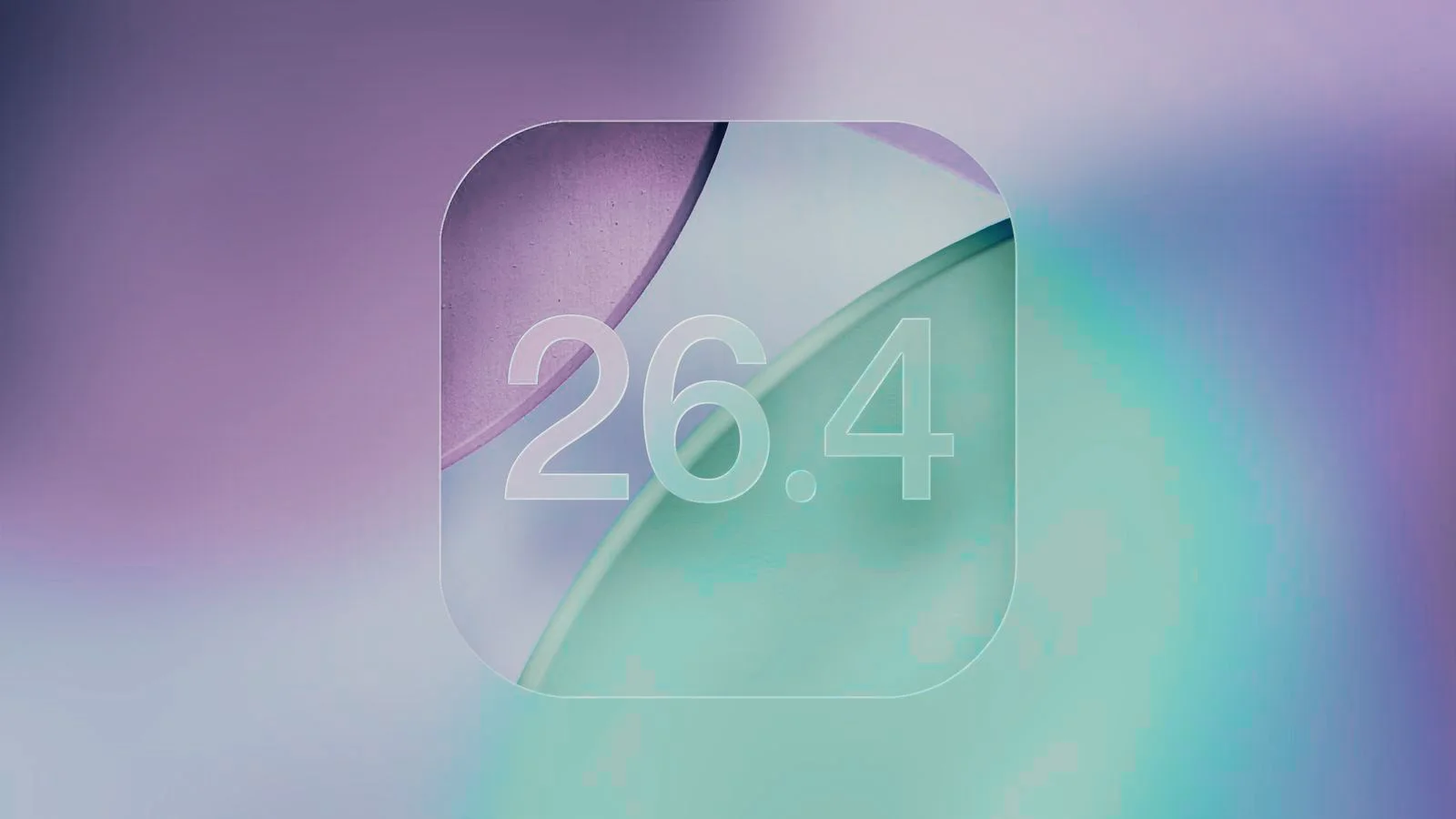
Apple released 26.4 updates across its major platforms (iOS, iPadOS, macOS Tahoe, watchOS, tvOS, visionOS, and HomePod), prioritizing security fixes and adding features such as MacBook charging limits, Safari's compact tab view, Stolen Device Protection, new emojis, AI-generated Apple Music playlists, Freeform Creator Studio updates, and Family Sharing payment-method options; end-to-end encryption for RCS messaging is not included in this release, and older OS updates remain available for unsupported devices with a WWDC reveal anticipated on June 8.
Apple released iOS 26.4 and iPadOS 26.4, adding Playlist Playground—an AI-powered playlist generator from text prompts—along with new emoji, a revised Purchase Sharing setup in Family Sharing, and several accessibility, UI, and feature upgrades (offline music recognition, ambient music widgets, and more). Some features may vary by region or device.
Apple’s new MacBook Neo, a $599 budget laptop, is driving strong trade-ins and showing that a traditional keyboard and desktop-style multitasking still matter more to many users than tablets, despite iPadOS 26 improvements; the move underscores Apple’s focus on laptops and its guard against cannibalizing its own lineup.
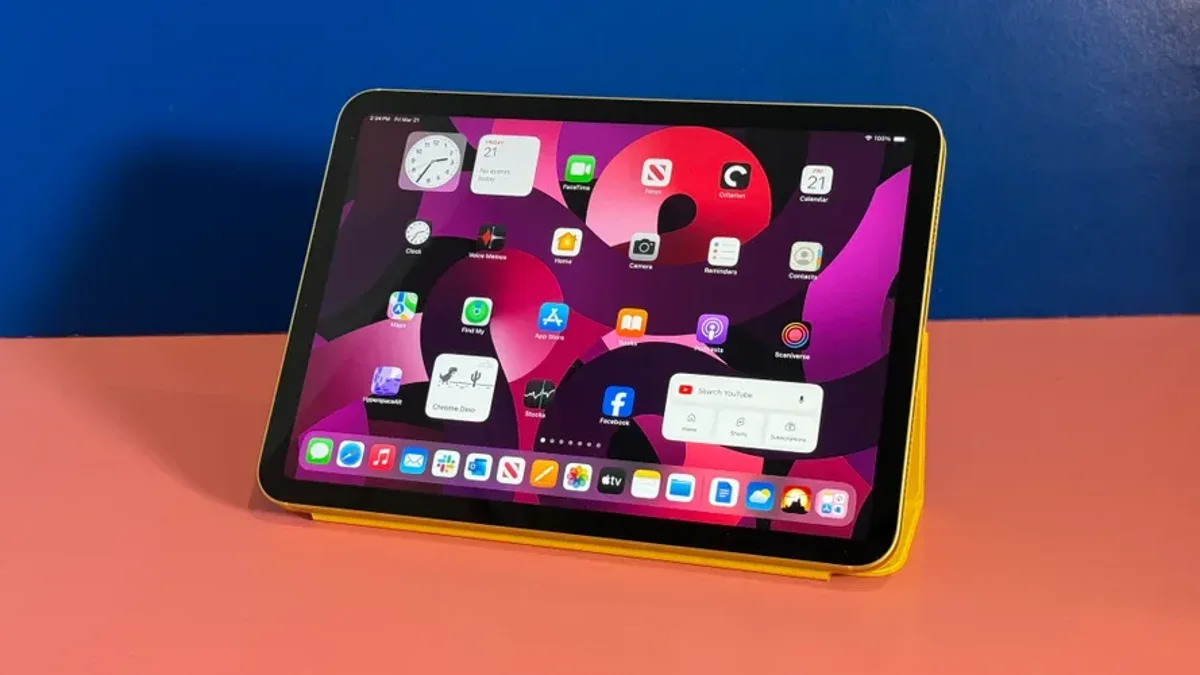
A tech columnist argues Apple has boosted its high-end iPads (iPad Pro with M5 and iPad Air with M4) while the entry-level iPad sticks with an aging A16 chip, delaying access to Apple Intelligence and suggesting a price-forward strategy that leaves the most affordable model behind as AI features roll out and the product lineup shifts.
Apple has released the third beta of iOS 26.4 and iPadOS 26.4 to developers. The update introduces features teased earlier, including Playlist Playground and Concerts Near You in Apple Music, a redesigned look for albums/ Playlists, native video podcasting in Apple Podcasts, and ongoing testing of end-to-end encryption for RCS between iPhone and Android users. The beta also hints at potential new emojis, plus enhancements like Stolen Device Protection by default, an ambient music widget, and new average bedtime metrics in the Sleep app; full details are summarized in the iOS 26.4 beta features guide.
Apple's iOS 26.4, iPadOS 26.4, and macOS 26.4 betas add notable behind-the-scenes updates: Playlist Playground for Apple Music prompts, native video podcasts in Podcasts, a Freeform Creator Studio with stock images and AI-generated content, a new manual battery-charge limit for Macs, experimental encrypted RCS messaging, the return of Safari's Compact tab view, Stolen Device Protection enabled by default, and early Rosetta end-notification prompts ahead of the planned macOS 28 sunset.
Apple’s third betas of iOS 26.3 and iPadOS 26.3 reportedly break several Continuity features on newer devices (iPhone 17 series and iPad Pro M5), including iPhone mirroring, AirPlay to Apple TV 4K, Continuity Camera to Mac or Apple TV 4K, and Sidecar from Mac to iPad Pro. Apple has published developer release notes but hasn’t explained the cause; a fix is expected in upcoming betas. A public release of iOS 26.3/iPadOS 26.3 may slip to early February, so testers are advised to hold off updating to the third beta.
Apple released the third public betas of iOS 26.3, iPadOS 26.3, tvOS 26.3, and watchOS 26.3 to public testers after the developer beta, adding support for the second-generation AirTag (including Precision Finding on Apple Watch), a device-to-Android transfer tool during iPhone setup, and EU wearables changes; public release is expected later in January, with beta enrollment available via Apple’s beta site.