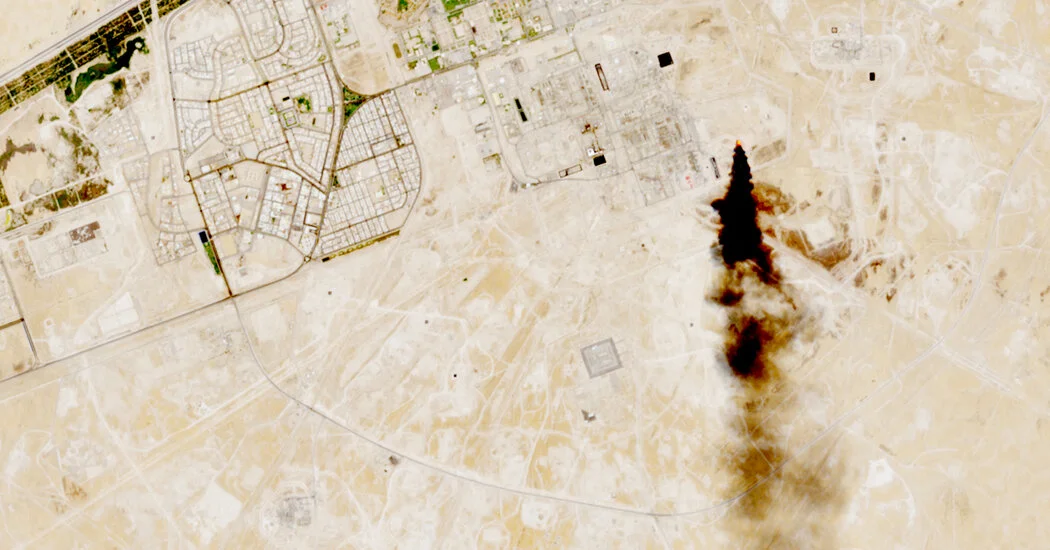
Saudi Arabia said it intercepted and destroyed drones launched from Iraqi territory by Iranian-backed militias, marking its first direct response to such attacks since the collapse of a U.S.-Iran cease-fire. The drones were aimed at oil facilities in the Eastern Province and Riyadh, as tensions spill into a wider regional conflict that also involves Houthi attacks near the Red Sea and other cross-border drone activity.
ISW-CTP’s July 21 update portrays Iran using a multi-front strategy to pressure the US and its Gulf partners: the Houthis appear to have moved to a Red Sea blockade of Saudi interests, issuing warnings to shipping and prompting vessel reroutes; Iran is pressing to funnel traffic through its designated routes in the Strait of Hormuz, rejecting a southern Oman path and aiming to drive up shipping costs; it has conducted missile strikes against bases in Jordan and attacked Kuwaiti civilian infrastructure to pressure host states to curb US operations; Iran-backed Iraqi militias and Hezbollah remain active, while Lebanese tensions threaten Beirut’s airport. Domestically, Iran reportedly moved thousands of centrifuges and HEU to Mount Kolang after the 2025 war, and US/Israeli strikes continue to degrade Iran’s enrichment capacity. The overall pattern suggests Tehran seeks to erode US resolve, elevate costs of regional confrontation, and cement influence over Gulf shipping and allied states.
The US escalates in the Iran-Israel crisis: Trump orders forces to shoot at Iranian boats laying mines in the Hormuz Strait and extends the Israel-Lebanon ceasefire by three weeks, while Washington also issues a $10 million bounty for a Tehran-backed Iraqi militia leader amid rising oil prices and stalled talks.
ISW-CTP’s Iran Update for April 18, 2026 says IRGC Commander Ahmad Vahidi and his inner circle have likely secured at least temporary control over Iran’s military response and negotiating approach, with the IRGC Navy reimposing traffic controls in the Strait of Hormuz and warning against passage to pressure the United States. This signals a consolidation of power and sidelining of more pragmatic officials in Tehran, while the U.S. blockade remains in place and Tehran reviews a new US proposal amid talks in Islamabad that appear divided. Broader regional developments include ongoing actions by Iranian-backed Iraqi militias and Hezbollah-related shifts within a broader ceasefire framework that shapes the conflict’s dynamic.
The report details recent developments in Iran's nuclear activities, internal political divisions, and regional conflicts, including Israeli strikes on Iranian sites, Houthi attacks in Yemen, and disrupted Iraqi militia plans, highlighting ongoing regional instability and Iran's internal and external challenges.