Airline executives warn that ticket prices could stay high as jet fuel costs surge due to the Iran conflict and the Strait of Hormuz, with Delta and United signaling pricing may remain elevated to offset higher fuel costs, sparking backlash from travelers.
Rising jet fuel costs are driving more flight cancellations, prompting travelers to check airline policies on refunds or rebooking and stay flexible with plans as disruptions continue.
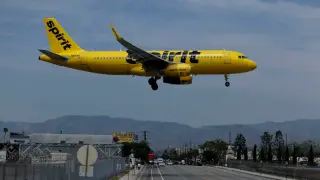
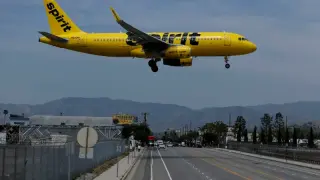
Spirit Airlines is close to securing a $500 million bailout from the Trump administration that would involve the government taking an equity stake and help the carrier finish its bankruptcy reorganization, potentially allowing it to remain in business and avert a shutdown that could affect thousands of workers and travelers. The deal, reportedly possible to announce soon, comes as jet fuel costs surge amid geopolitical tensions and a history of Spirit’s earnings struggles. The White House signaled interest in the arrangement while opposition from some in the airline industry and rivals—such as United—warns against exceptions for a smaller carrier. Spirit has warned of substantial doubt about its future and has been navigating bankruptcy through a difficult period for the U.S. airline sector.
Spirit Airlines is nearing a $500 million federal bailout that would involve the government taking a stake to help it complete its bankruptcy restructuring, a move that could avert a shutdown and thousands of layoffs, but may push fares higher industry-wide as jet fuel costs rise; President Trump indicated support for examining such a deal, while rivals caution against taxpayer aid for a single carrier.
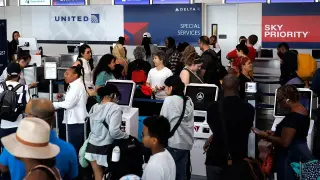
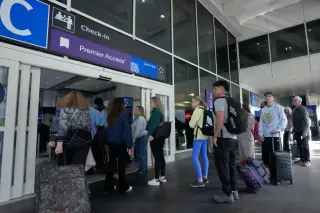
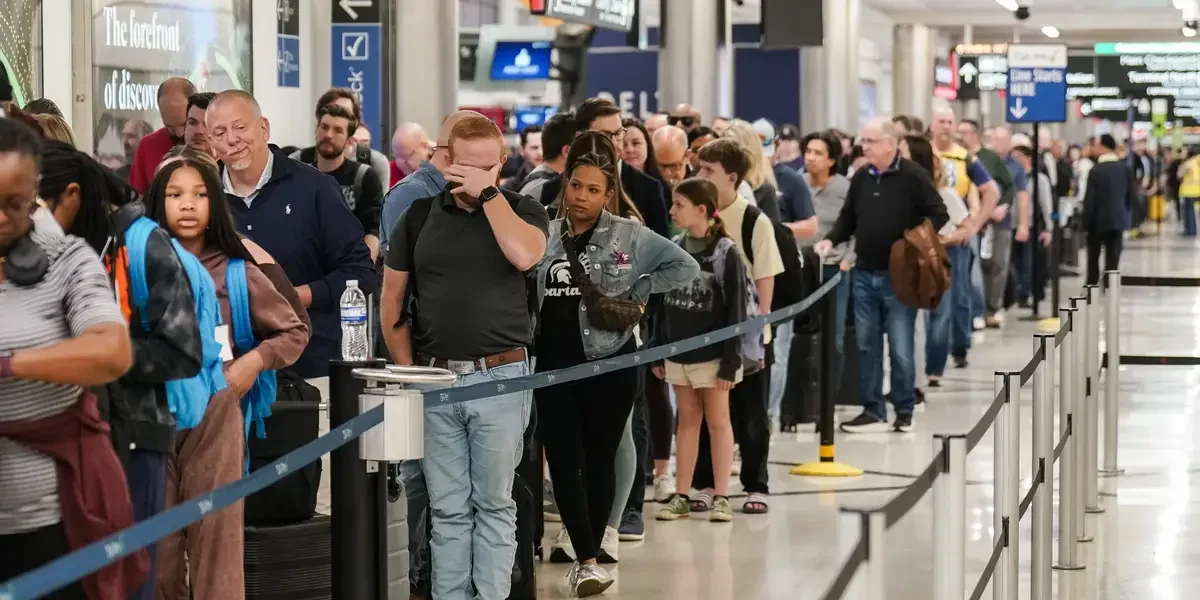
Trump ordered Homeland Security to resume pay for TSA officers after the shutdown, but pay reinstatement isn’t fixing the underlying problems: thousands have quit and it takes 4–6 months to train replacements, leaving lines long and staffing tight. Jet-fuel costs have spiked toward $200 a barrel amid war-related supply disruptions, prompting airlines to raise fares. Traveler anxiety is rising as rerouted flights and recent accidents compound concerns ahead of events like the FIFA World Cup.
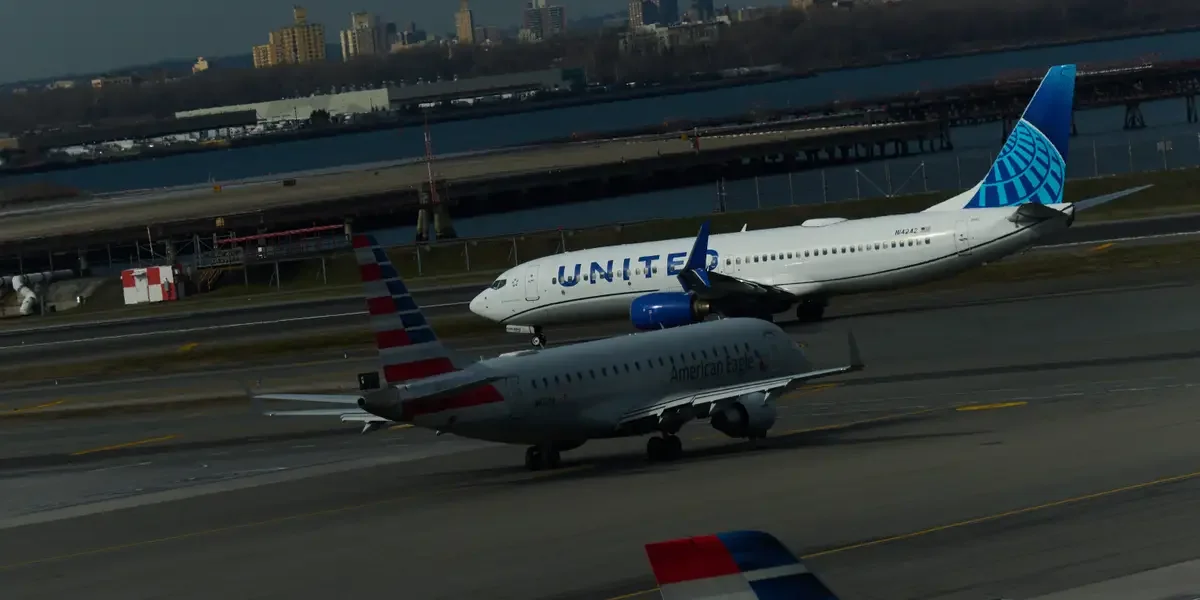
United Airlines will cut about 5% of its scheduled flights and 3% of off-peak flights in Q2–Q3 2026, prioritizing red-eyes and low-traffic days, as surging jet fuel costs linked to the Middle East conflict squeeze margins; the carrier expects to restore its full schedule by fall 2026, will not furlough workers, and plans to deliver 120 new aircraft while expanding Newark.