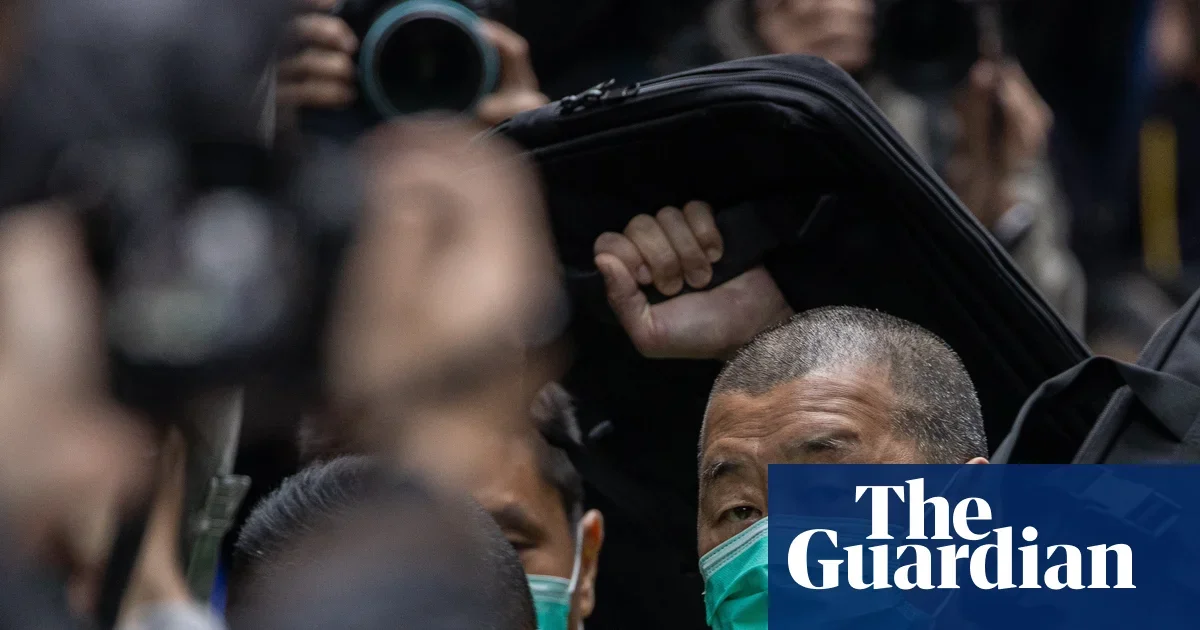
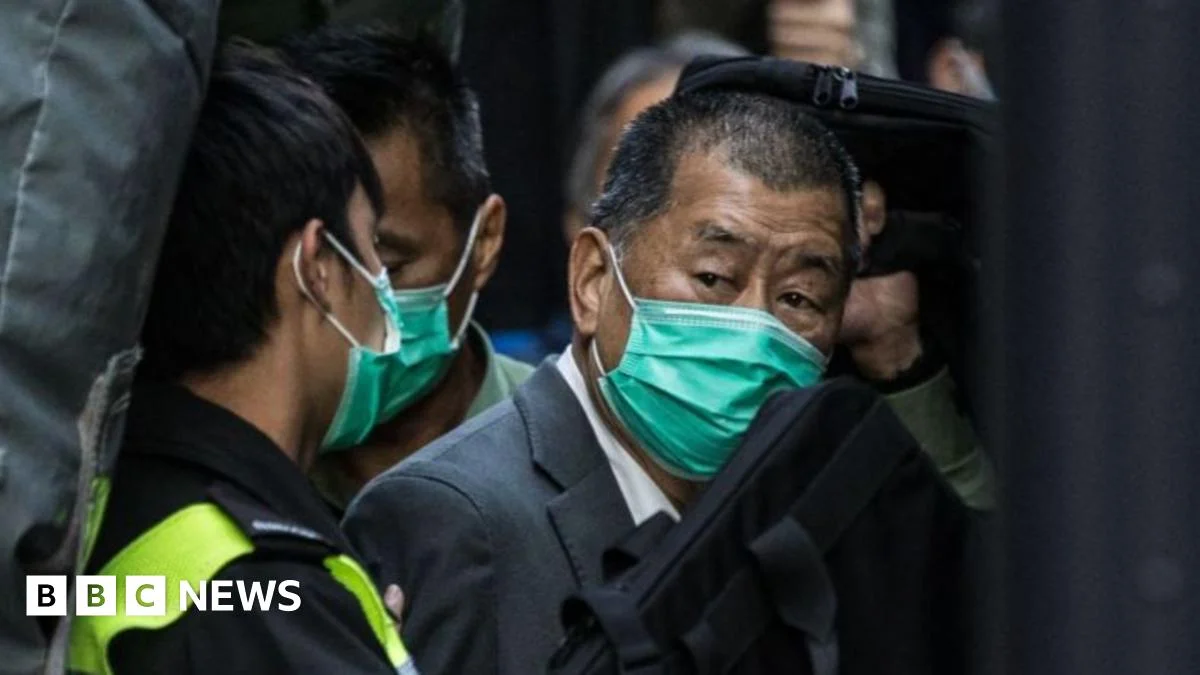
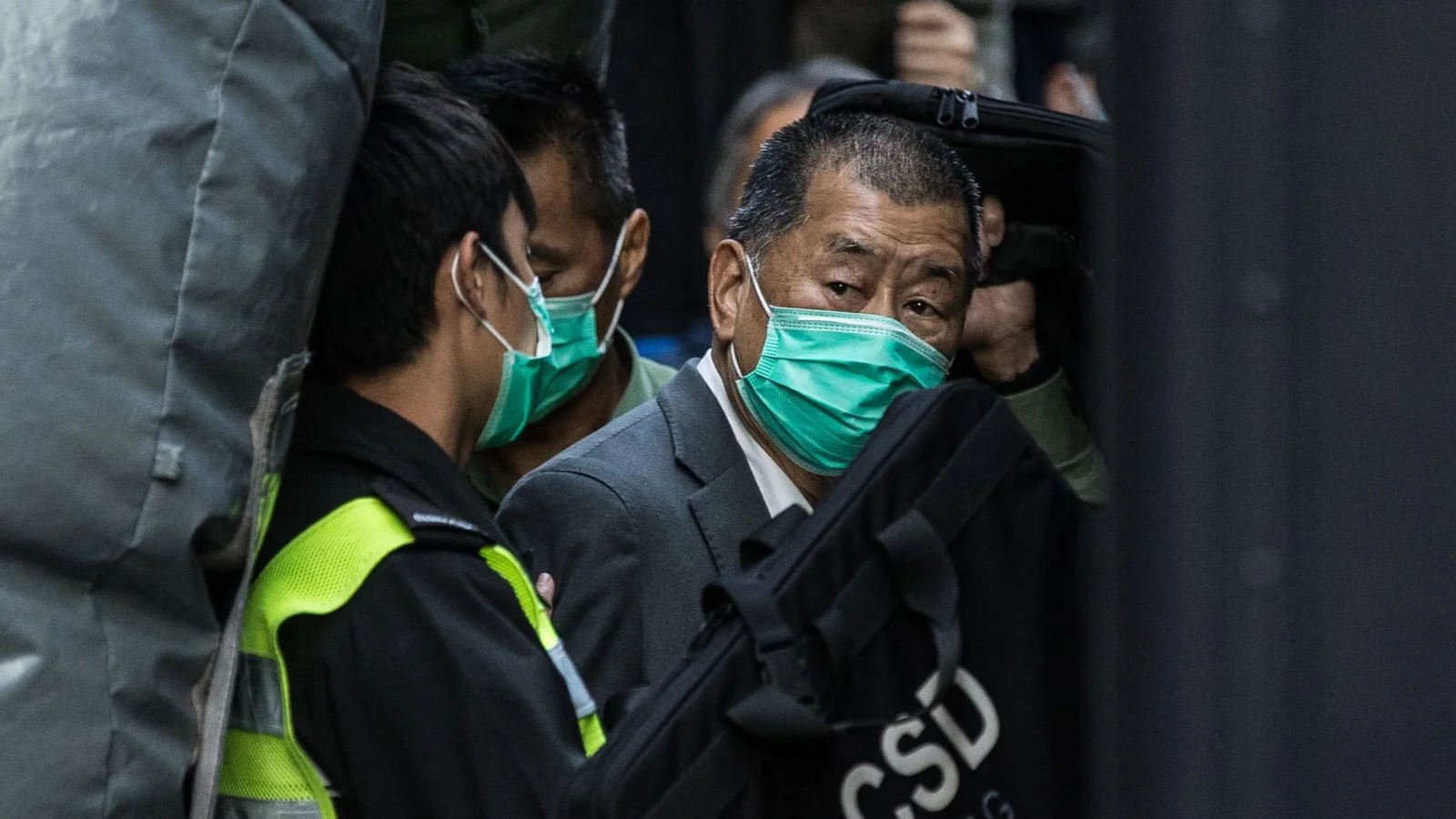
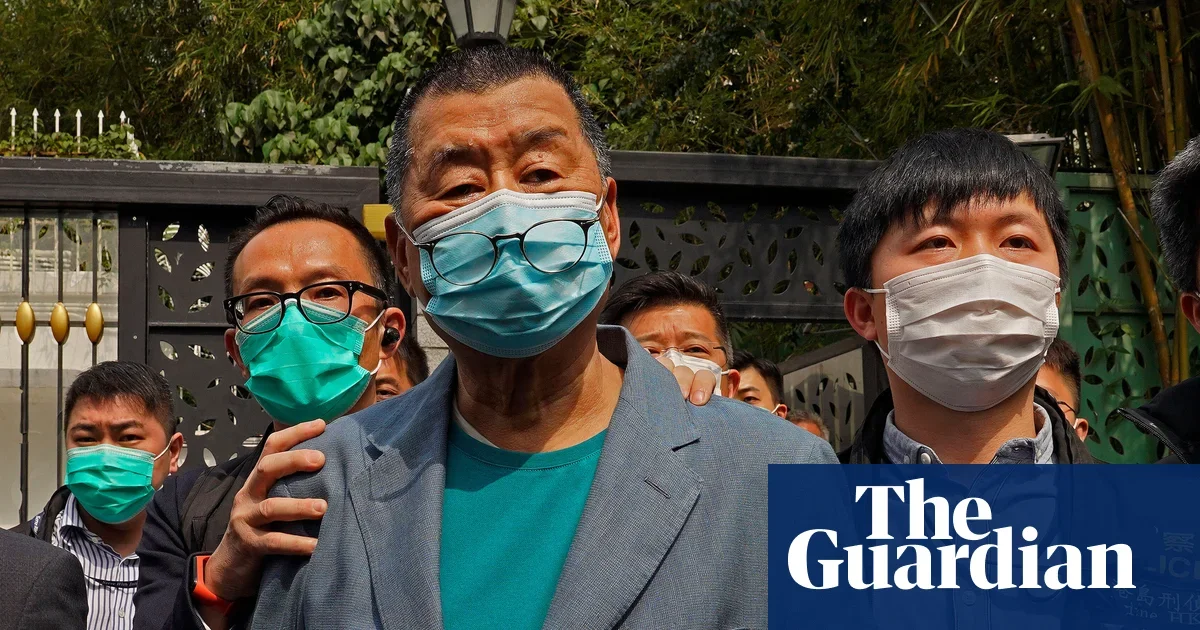
HK bookshop staff detained for selling Jimmy Lai biography
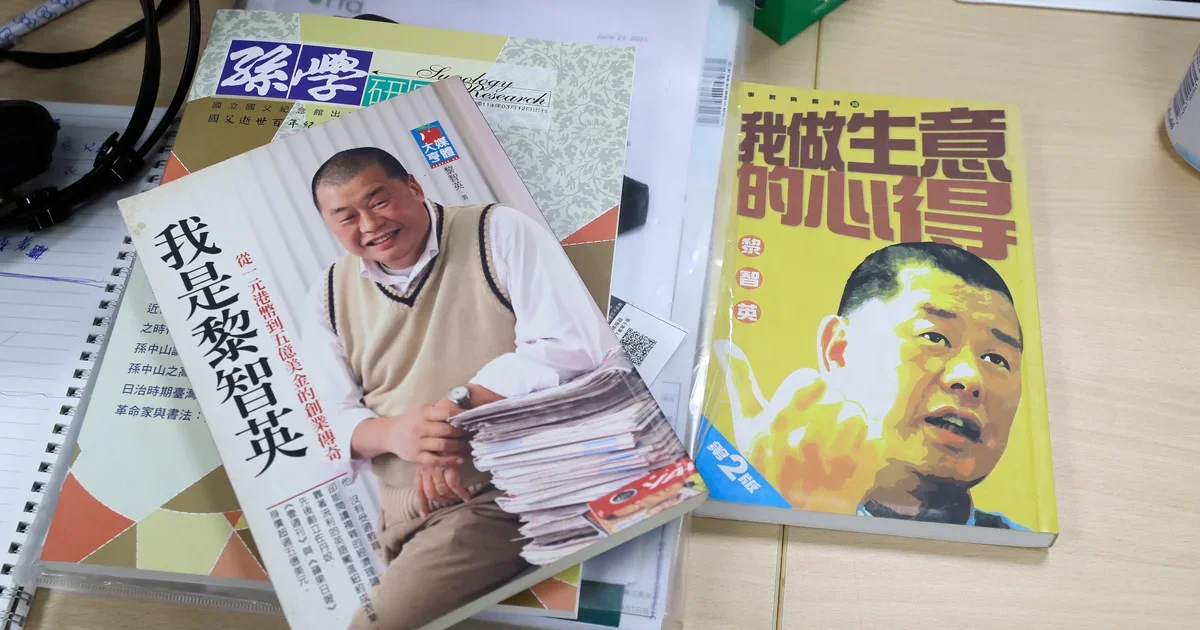
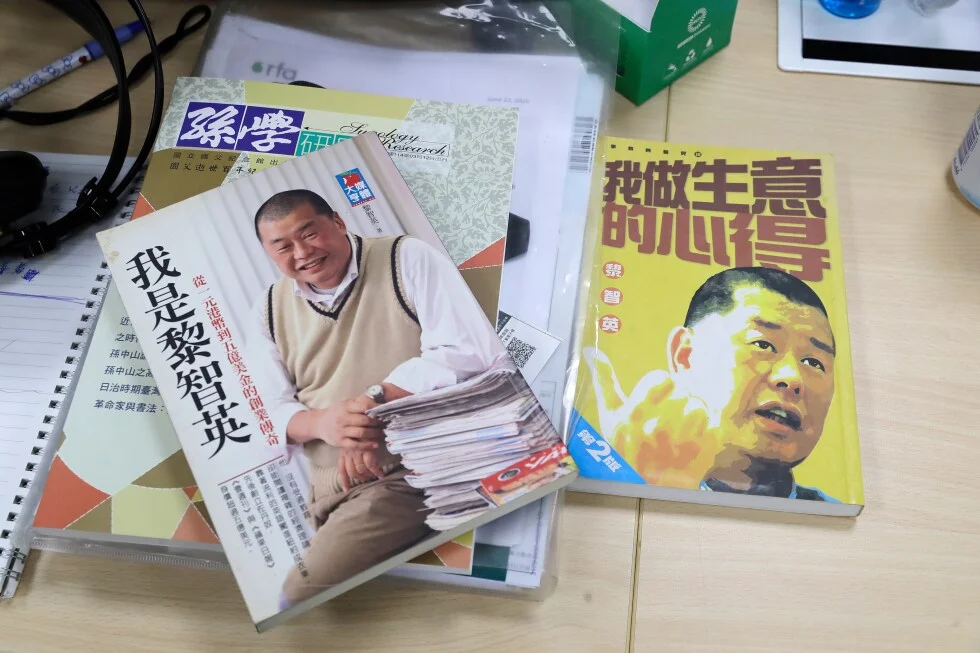
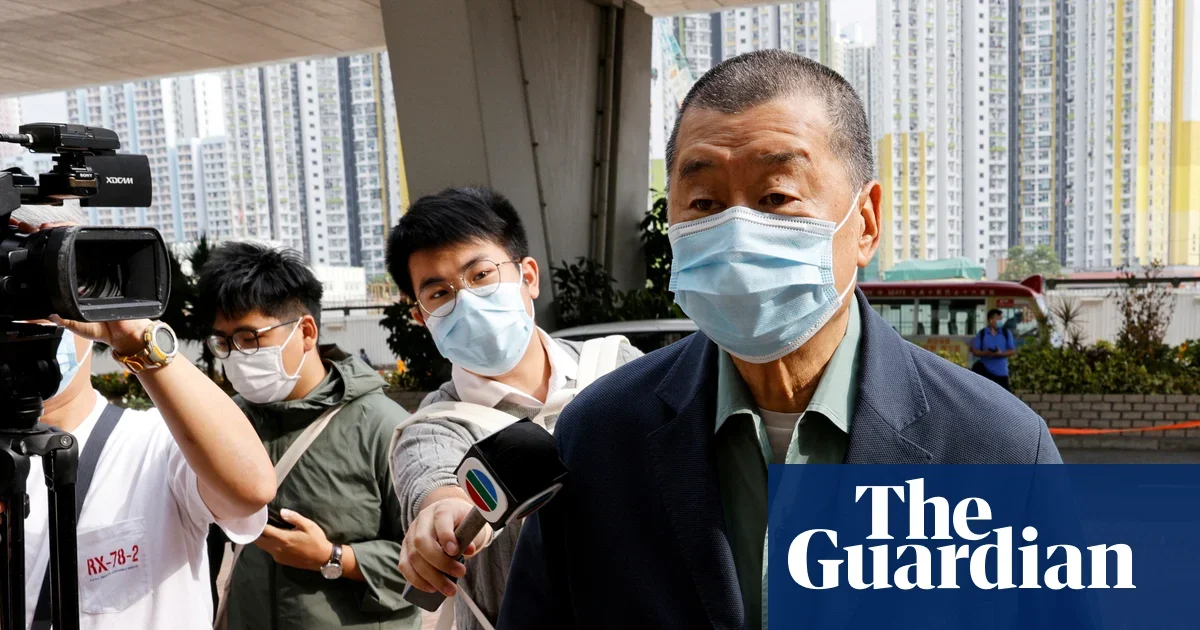
A Hong Kong independent bookstore staff member was reportedly arrested for selling a biography of Jimmy Lai, with a notice seen outside Book Punch about taking a day off.
All articles tagged with #jimmy lai

A Hong Kong independent bookstore staff member was reportedly arrested for selling a biography of Jimmy Lai, with a notice seen outside Book Punch about taking a day off.

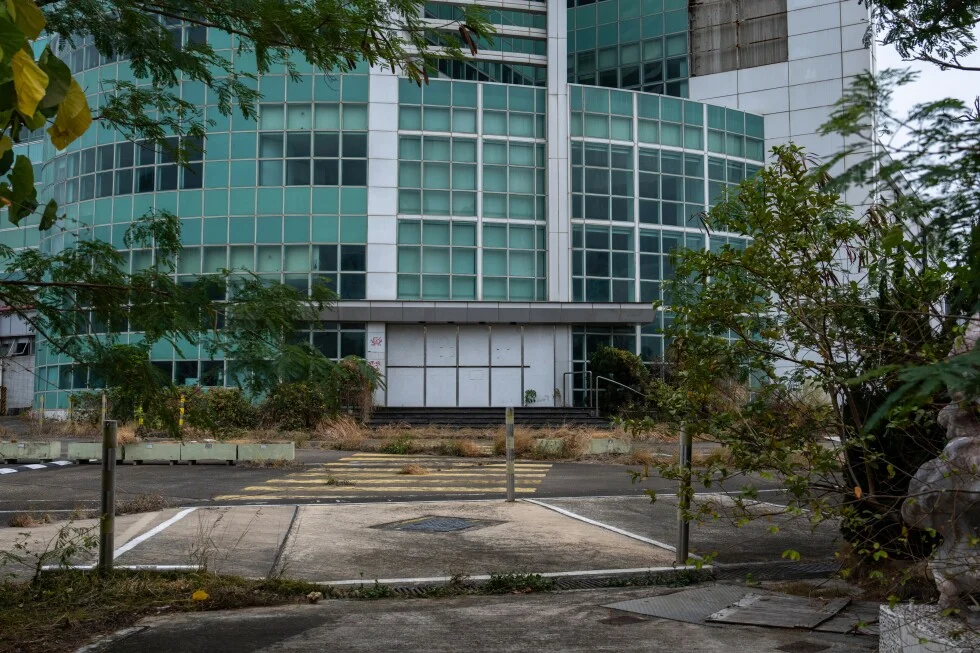
Hong Kong's Court of Appeal overturned Jimmy Lai's 2022 fraud convictions related to Apple Daily's office lease, but Lai remains imprisoned after a separate national security case that carries a 20-year sentence for colluding with foreign forces; rights groups and family say the ruling does little to restore the rule of law and Lai's health remains a concern as he has been detained since 2020.

Hong Kong’s Court of Appeal reversed the fraud convictions against Jimmy Lai, ruling the alleged concealment and lease breach did not meet the fraud threshold; Lai still serves a 20-year sentence from a separate national security case, and the government may appeal the ruling.

Hong Kong’s Court of Appeal overturned the fraud convictions against former Apple Daily founder Jimmy Lai, saying prosecutors failed to prove concealment or false representations in the lease case. Lai, 78, continues to serve a long prison term from a separate national-security conviction, and the court’s decision could shorten his total time if sentences run concurrently as allowed. The government may appeal. The ruling highlights ongoing tensions between Hong Kong’s security crackdown and press freedom concerns.

An appellate court in Hong Kong voided Jimmy Lai’s fraud convictions related to a lease arrangement, ruling prosecutors failed to prove false representations beyond reasonable doubt; Lai remains jailed because of a separate 20-year sentence in a national-security law case, marking a rare win in his legal battles amid ongoing concerns about press freedom in Hong Kong.

Hong Kong’s stock market remains buoyant even as Beijing tightens control on speech, highlighting a paradox about Friedman’s view that free markets rely on free expression. The 20-year sentence for Jimmy Lai and the National Security Law have chilled reporting and led to self-censorship and restricted access to sensitive topics, while markets benefit in the short term from capital flows; the piece argues that Hong Kong’s long-term prospects depend on whether political freedoms can keep pace with market freedoms, making it a real-world test of Friedman’s thesis.

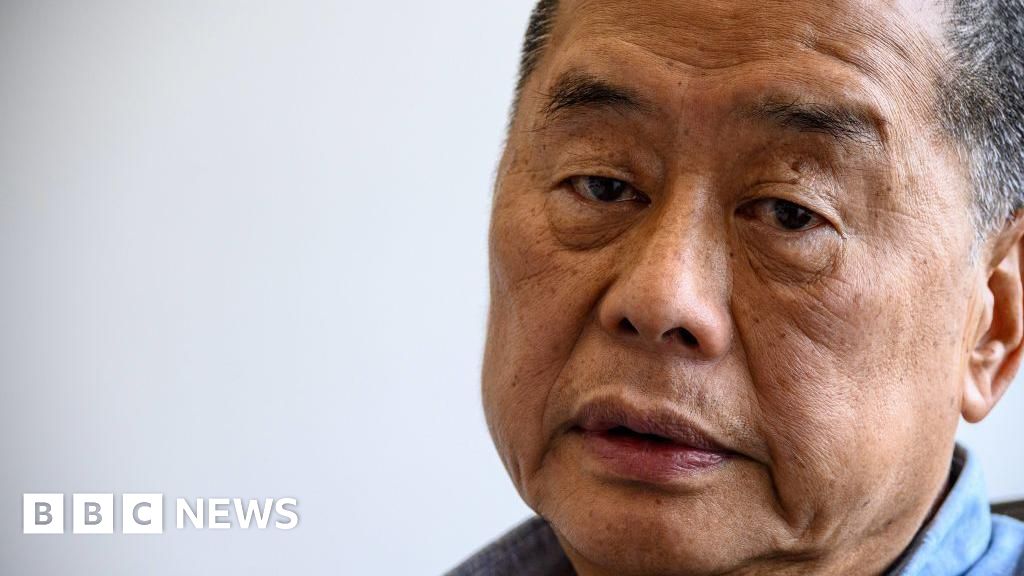
Jimmy Lai, founder of Apple Daily, was sentenced in Hong Kong to 20 years in prison under the national security law for conspiring with others to collude with foreign forces and publish seditious articles; co-defendants received shorter terms, and the case is seen as a sweeping crackdown on dissent and press freedom with international reactions.

Jimmy Lai, 78, was sentenced to 20 years in prison under Hong Kong's national security law for conspiring with others to collude with foreign forces and publish seditious articles, the harshest penalty to date. Co-defendants — six former Apple Daily staffers and two activists — received six to ten years. Lai's family warned the ruling could make him a martyr behind bars, as critics say the sentence signals a chilling effect on press freedom in Hong Kong and has triggered international condemnation.

The UK, the UN and the EU, along with rights groups, condemned Hong Kong's 20-year national-security jail sentence for Jimmy Lai, the British publisher of Apple Daily, calling it politically motivated and a threat to media freedom; Lai was convicted on counts including conspiracy to produce seditious material and conspiracy to collude with foreign forces under the national security law; supporters say the punishment is excessively harsh while authorities insist the rule of law was upheld; the case has sparked international calls for Lai's release.

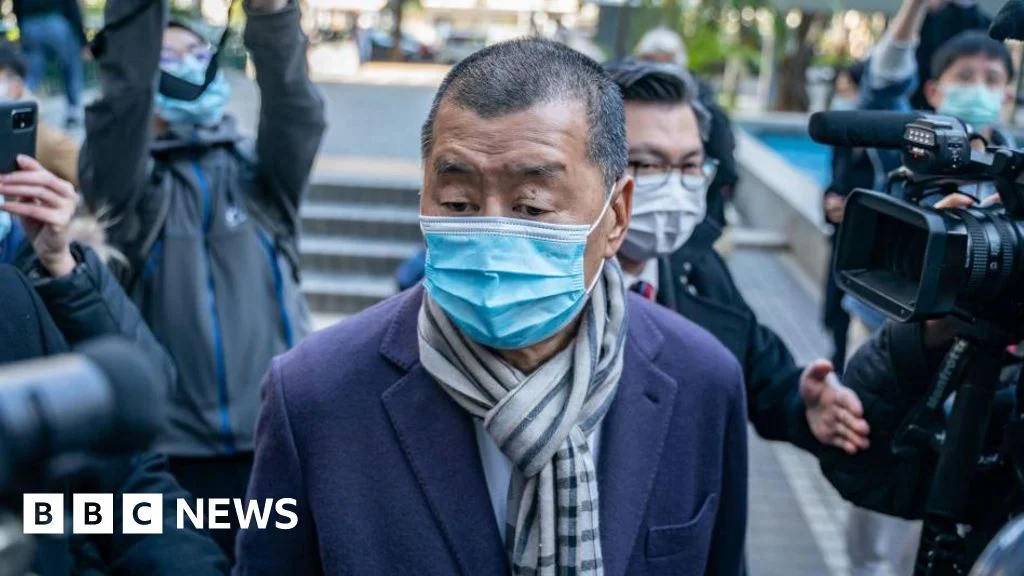
Hong Kong’s court handed Jimmy Lai a 20-year prison term under the National Security Law for two counts of conspiring to collude with foreign forces and one count of publishing seditious material, the harshest NSL sentence to date. The court rejected medical grounds for reducing the sentence, citing the gravity and premeditated nature of the offenses. Lai, 78, has faced multiple charges and health concerns raised by his family, while rights groups condemned the verdict as a blow to press freedom as supporters gathered outside the courtroom.

Hong Kong's High Court handed 78-year-old Jimmy Lai a 20-year prison term for collusion with foreign forces, endangering national security and conspiring to publish seditious materials under the Beijing-imposed security law, while Lai remains jailed on a separate fraud sentence, illustrating a tightening crackdown on dissent in Hong Kong.

Jimmy Lai, founder of Apple Daily and a leading pro-democracy figure, was sentenced to 20 years in Hong Kong on national-security offences including sedition and conspiracy to collude with foreign forces, in a case critics call part of Beijing's crackdown on dissent that led to Apple Daily's closure.

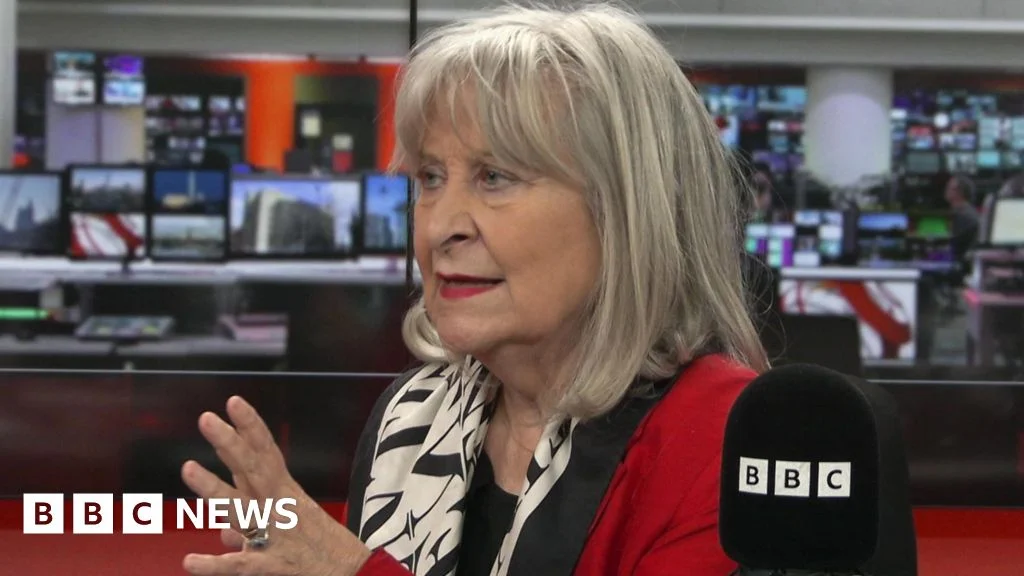
Baroness Helena Kennedy says China lifting sanctions on seven MPs is a 'meagre return' from Sir Keir Starmer's Beijing visit and urges progress on Jimmy Lai's release, while critics argue the move is selective and does not address other detainees or Uyghur abuses.

Jimmy Lai, a pro-democracy Hong Kong tycoon, is reportedly suffering severe health issues in prison, including rotting teeth and falling fingernails, raising concerns from his family about his deteriorating condition amid his detention under Hong Kong's national security law. His family and international critics argue that Lai's health is being neglected, while Chinese authorities claim he is in good health. Lai's case has become a focal point in the broader debate over human rights and political repression in Hong Kong, with calls from the UK for his release.

Jimmy Lai's conviction signals increasing political repression in Hong Kong, raising concerns about the future of free speech and autonomy in the region.