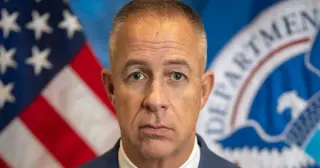
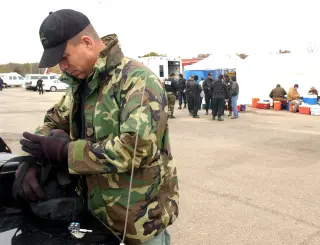
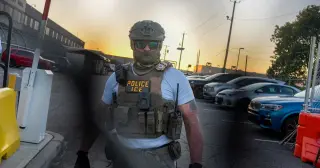
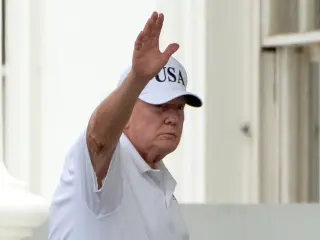
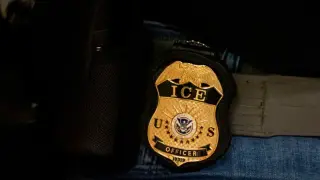
The White House withdrew Lance Schroyer’s nomination to lead ICE after Senate Republicans blocked confirmation hearings. The move follows concerns over federal agents’ actions in Minnesota, leaving the agency without a permanent director since 2017.
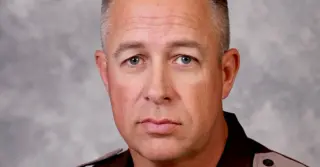
The White House withdrew Lance Schroyer's nomination to lead ICE on Thursday, ending a three-month standoff. Schroyer, a former Oklahoma state trooper and ally of Homeland Security Secretary Markwayne Mullin, faced a blocked confirmation hearing by Sen. Rand Paul. The agency has lacked a Senate-confirmed director since 2017, and acting director David Venturella will remain in charge.
The White House has officially withdrawn the nomination of Lance Schroyer to lead Immigration and Customs Enforcement (ICE) after his confirmation hearing was blocked by Senator Rand Paul. Schroyer, an Oklahoma state trooper with no prior experience leading a major law enforcement agency, was a close ally of Homeland Security Secretary Markwayne Mullin. The withdrawal follows a dispute over the investigation into two U.S. citizens killed by ICE and Border Patrol agents in Minneapolis in January 2026. This move marks a significant setback for Mullin, who has faced criticism from immigration hardliners for insufficient progress on mass deportations. The White House and DHS did not immediately respond to requests for comment regarding the decision.
Lance Schroyer’s nomination to lead ICE is stalled in the Senate, a delay that many agency officials welcome. While the White House maintains Schroyer is the president’s choice, insiders prefer acting director Dave Venturella, citing Schroyer’s lack of mass deportation experience.
President Donald Trump nominated Lance Schroyer, a former Oklahoma state trooper and U.S. Marine, to lead ICE, a move that would replace the acting director and places a field-based law enforcement veteran at the helm of an agency under scrutiny over tactics and detainee deaths; Schroyer's lack of federal agency leadership experience is expected to be a point of emphasis during confirmation hearings amid ongoing debates over immigration enforcement and funding.
President Trump nominated Lance Schroyer, a former Oklahoma state trooper and current adviser to Homeland Security Secretary Markwayne Mullin, to lead ICE, a role that would mark the first Senate-confirmed ICE director since 2017; acting chief David Venturella will remain in place until Schroyer is confirmed. Schroyer’s national policy experience is limited, and he has not previously worked for ICE, as the agency remains central to Trump’s deportation goals amid scrutiny following deadly incidents.
President Trump announced he will nominate Lance Schroyer, a 29-year veteran of law enforcement who is a former Oklahoma State Trooper and Marine, to be the next director of U.S. Immigration and Customs Enforcement, succeeding acting head David Venturella. Senate confirmation is anticipated but has been stalled for years, with supporters like Rep. Markwayne Mullin urging quick approval. The nomination emphasizes a hard-line stance on illegal immigration, though civil liberties groups have raised concerns about the broader impact of the crackdown.
President Donald Trump nominated Lance Schroyer— a former Oklahoma state trooper with over 29 years in law enforcement and current senior adviser to DHS Secretary Markwayne Mullin— to be the next ICE director, replacing Todd Lyons. Acting ICE director David Venturella will remain until Schroyer is confirmed, with the Senate urged to approve promptly.
President Donald Trump said he will nominate Lance Schroyer, a former Oklahoma state trooper and Marine, to lead ICE, praising his decades of law enforcement experience and urging the Senate to confirm him quickly. Homeland Security Secretary Markwayne Mullin called Schroyer a great pick and said his field experience will empower ICE to deport criminal illegal aliens and protect the homeland. The nomination comes as ICE has operated without a Senate-confirmed leader for years, with acting director David Venturella in charge after Todd Lyons stepped down, highlighting ongoing scrutiny and calls for DHS enforcement changes.