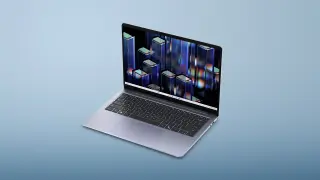
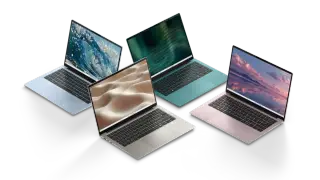
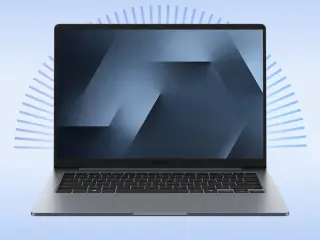
Dell unveiled the 14S laptop at IFA 2026, positioning it as a budget alternative to Apple’s MacBook Neo. The device features an aluminum chassis, four color options, and Intel Wildcat Lake processors, but lacks upgradeable RAM and has undisclosed pricing.
Dell unveiled the 14S laptop at IFA 2026, featuring an aluminum chassis, four color options, and Intel Wildcat Lake processors to compete with the MacBook Neo. Pricing remains undisclosed due to memory shortages, but the device offers better port selection than the XPS 13.
Samsung has released a more affordable variant of the Galaxy Book 6 laptop, priced at $799 in the US, to compete directly with Apple's MacBook Neo. While the new model is $100 more expensive than the MacBook Neo, it offers a larger screen, more ports, and higher storage options. The laptop features a 14-inch WUXGA display, Intel Core 3 or 5 processors, and a 61.2Wh battery with up to 25 hours of claimed life. It is available in Gray and Violet Silver, marking a significant price drop from the previous Galaxy Book 6 launch.
Samsung has officially launched the new 14-inch Galaxy Book 6, a budget-friendly Windows laptop priced at $799. The device features Intel Core 3 or Core 5 processors, up to 25 hours of battery life, and a 1920x1200 display. It aims to compete with the Apple MacBook Neo by offering longer runtime and more ports, though it has a lower-resolution screen and less powerful AI capabilities.
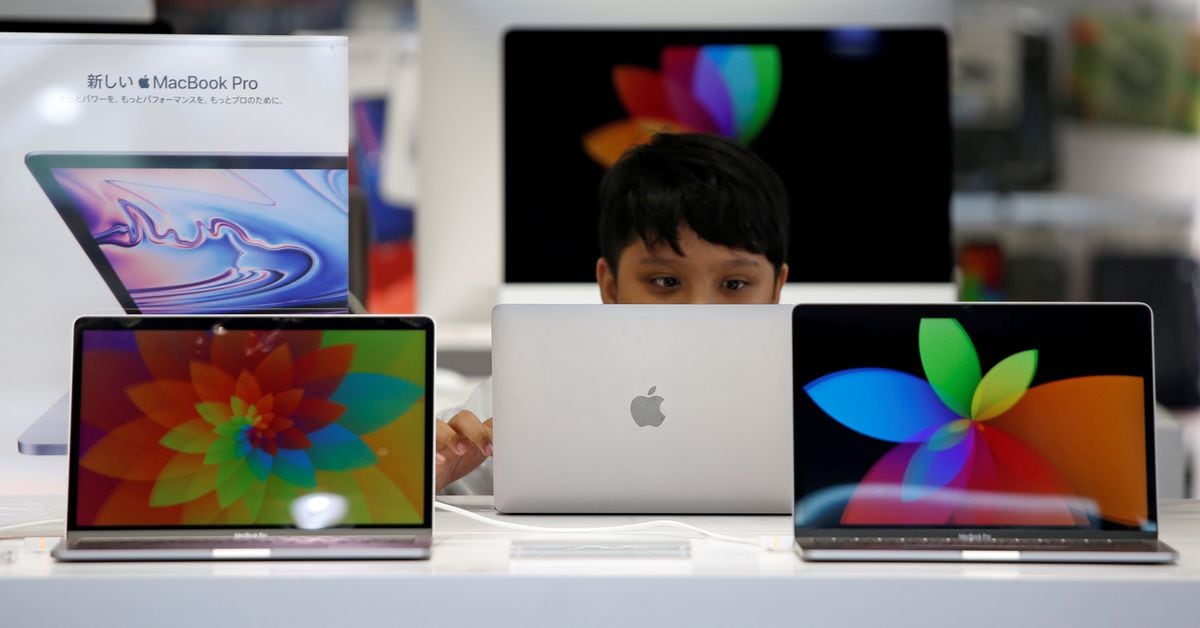
India has announced that it will require a licensing requirement for the import of laptops, tablets, and personal computers, a move that could impact companies like Apple, Dell, and Samsung and push them to increase local manufacturing. The new rule, similar to restrictions imposed on TV shipments in 2020, will result in prolonged wait times for new models and comes ahead of the festive season when sales typically surge. The Indian government has been promoting local manufacturing under the "Make in India" plan, and the move is seen as an effort to substitute heavily imported goods. The restriction is also aimed at curbing supplies from China due to security concerns, with India seeking to import such hardware only from "trusted partners."
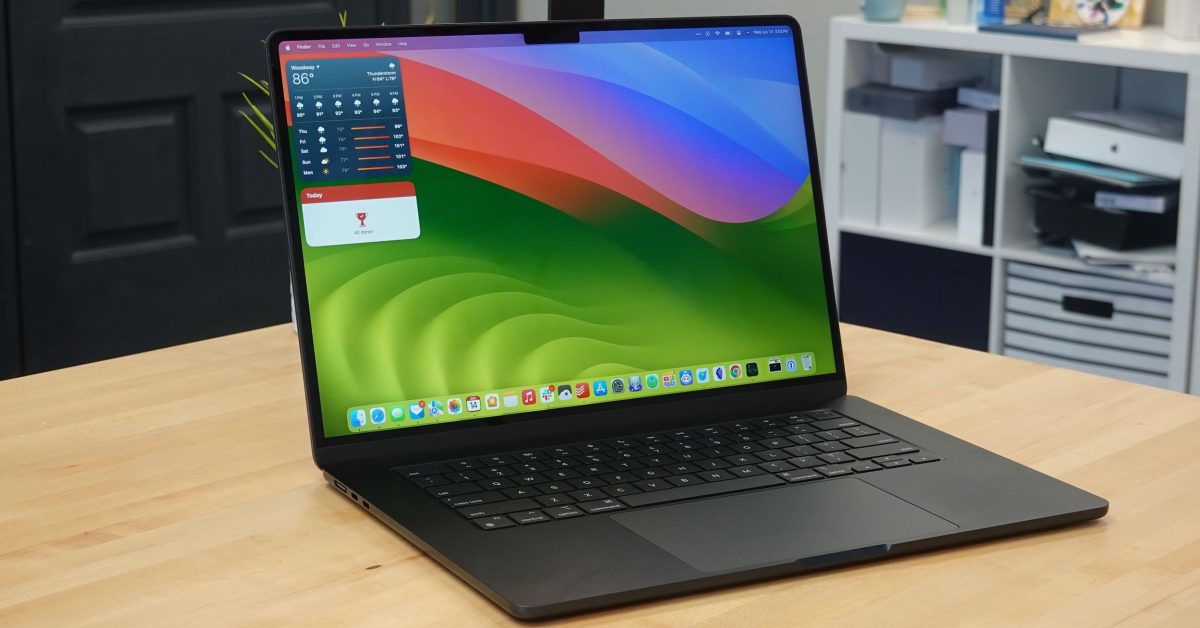
Apple product marketing executives have revealed in an interview that they had initially wanted to create a 15-inch MacBook Air during the Intel era but found it infeasible due to design constraints. However, with the introduction of Apple Silicon chips, they were able to bring the larger display, battery life, and performance that users expect from a MacBook Air. The 15-inch PC laptop market is significant, and Apple recognized the demand for more screen real estate without the need for additional capabilities and performance found in the MacBook Pro. The enterprise market, in particular, has shown interest in the larger screen size offered by the MacBook Air, thanks to the capabilities of Apple Silicon.