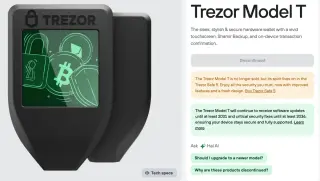
While Ledger faces a confirmed $100M+ theft via implanted spy chips, Trezor denies similar compromises despite hardware hacker Joe Grand finding tampered devices. Trezor is now restricting resellers as a precaution.
Ledger has confirmed that unauthorized hardware implants were found in its Nano X devices sold through the Southeast Asian reseller CryptoBilis, leading to the theft of approximately $102 million in cryptocurrency. The implants, which capture seed phrases and transmit them via LTE, have been identified in multiple variants, with some appearing in devices sold through authorized European retailers like MediaMarkt. Ledger has paused sales through CryptoBilis and other affected resellers, advising users to move assets to new devices. While Ledger states its core infrastructure remains secure, the incident has raised concerns about the integrity of its authorized reseller network and the sophistication of the attackers.
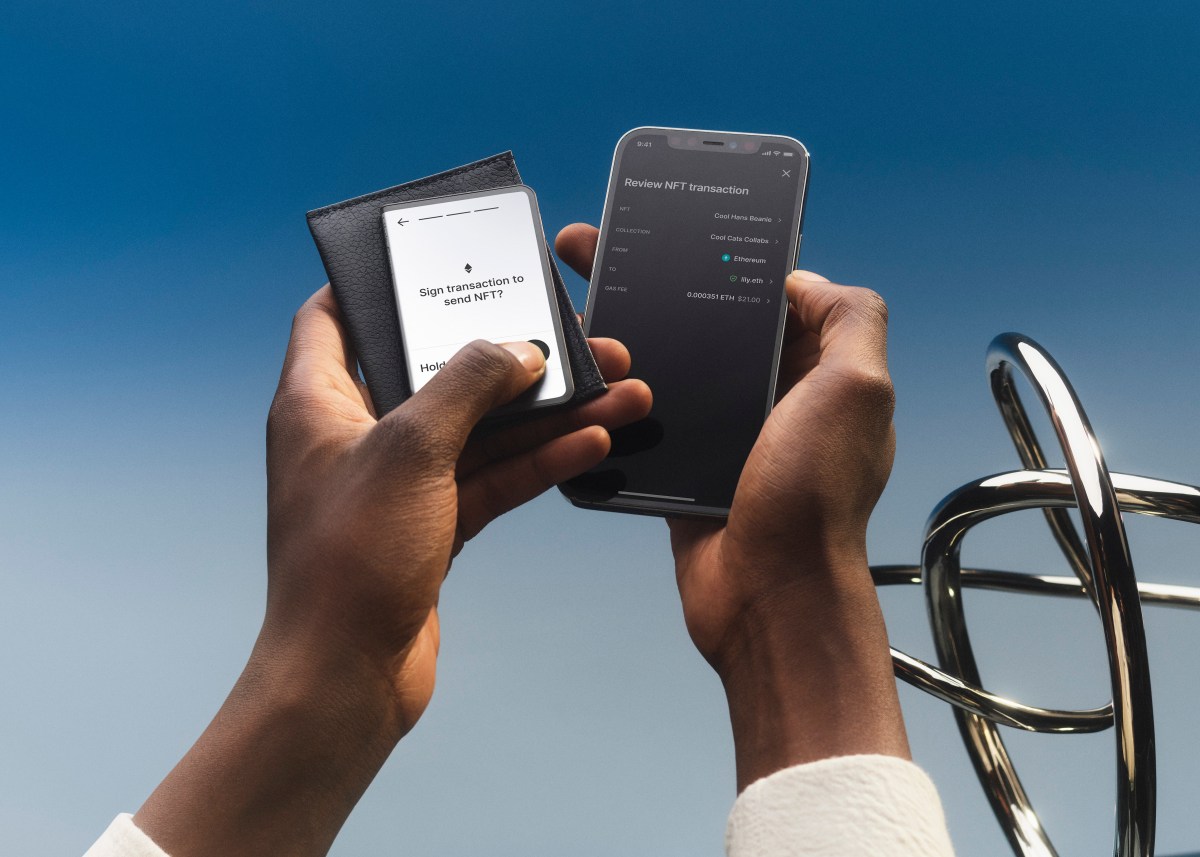
French startup Ledger has begun shipping its high-end Ledger Stax crypto hardware wallets, featuring a curved E-Ink display designed with Tony Fadell. The device, which supports Bluetooth and Qi wireless charging, aims at high-end users and offers enhanced usability with a secure touch screen. Production delays were due to challenges in manufacturing the curved displays. Ledger has partnered with Foxconn for production, while its other models will continue to be made in France.
Hackers exploited a malicious code inserted into the Github library for Ledger's Connect Kit, a widely-used blockchain software, stealing $484,000 and impacting several major decentralized finance (DeFi) protocols. Ledger confirmed that an employee was targeted in a phishing attack, resulting in the publication of the malicious code. Users have been warned to avoid using dApps until the protocols are updated. While Ledger has removed the malicious version, every protocol using Connect Kit must manually update their library to mitigate the risk. The hack highlights the vulnerability of decentralized applications and the potential points of failure in the supply chain.
Paris-based crypto hardware wallet company Ledger faced backlash after revealing a proposed wallet-recovery feature that could theoretically move wallet seed phrases off-device via user-approved firmware upgrades, exposing a gap between blockchain industry ideals and technical reality. The company's initial response to the outrage only fueled the furor, leading to a public relations meltdown. The incident served as a reminder of the limitations of hardware wallets and the importance of managing expectations. The overall state of blockchain technology is not yet up to the task of some of the industry's boldest promises.