Liver palmitate fuels metastasis by dampening neutrophil attack through laminin-511 palmitoylation
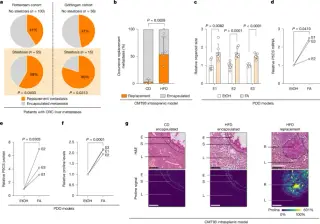
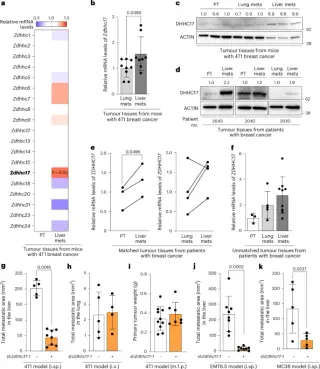
A Nature Metabolism study shows that the liver’s palmitate-rich environment promotes breast and colorectal cancer liver metastases by suppressing neutrophil antitumor activity. Cancer cells use the palmitoyltransferase DHHC17 to stabilize and secrete laminin-511; this laminin-511 exposure dampens neutrophil cytotoxicity and NETosis, facilitating tumor growth. Silencing DHHC17 in cancer cells reduces liver metastases when neutrophils are present; adding laminin-511 or blocking neutrophil degranulation reverses this effect. Diets high in fat/palmitate increase NETs in metastatic livers, linking fatty acid metabolism to immune evasion. The work combines mouse models and human tissue data, highlighting palmitoylation-driven modulation of neutrophils as a metastasis mechanism in the liver.