
Tag

Lunar Gravity

All articles tagged with #lunar gravity

Hidden lunar mass under far-side basin could rewrite Moon's history
space2 months ago

Hidden lunar mass under far-side basin could rewrite Moon's history

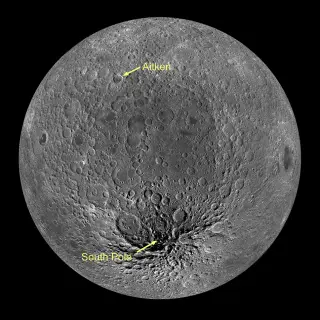
Using NASA’s GRAIL gravity data and LOLA topography, scientists found a massive, unusually dense mass buried hundreds of kilometers beneath the Moon’s South Pole–Aitken basin, weighing at least 2.18×10^18 kilograms and depressing the basin floor by about 1–2 kilometers; its origin could be iron–nickel core material from the impactor or dense oxide-rich material from a primordial magma ocean, with an offset of ~400 kilometers complicating simple histories. The finding sheds light on the Moon’s deep mantle and makes the far side an even more compelling target for future exploration.
Aircraft transformed into moon gravity research lab.
spaceflight3 years ago

Aircraft transformed into moon gravity research lab.

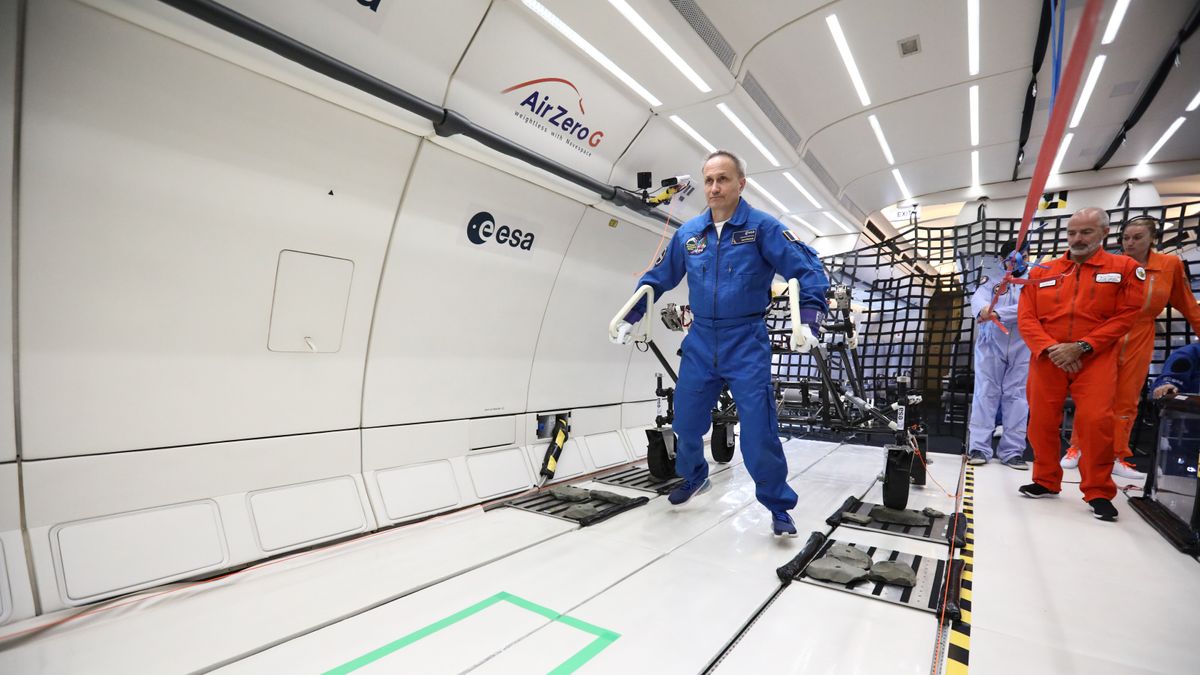
European scientists are using parabolic flights to simulate lunar gravity and prepare astronauts and technology for future moon landings as part of the NASA-led Artemis missions. During the flights, researchers test equipment and conduct experiments to better understand the challenges of operating in lunar gravity, including the effects on human health and performance. The Novespace parabolic flight airplane is likely to rise to the sky many times to help scientists and astronauts to better prepare for the 21st century's greatest adventure.

"Zero-G Pilot Reveals Secrets to Simulating Lunar Gravity in a Plane"
spaceflight3 years ago

"Zero-G Pilot Reveals Secrets to Simulating Lunar Gravity in a Plane"

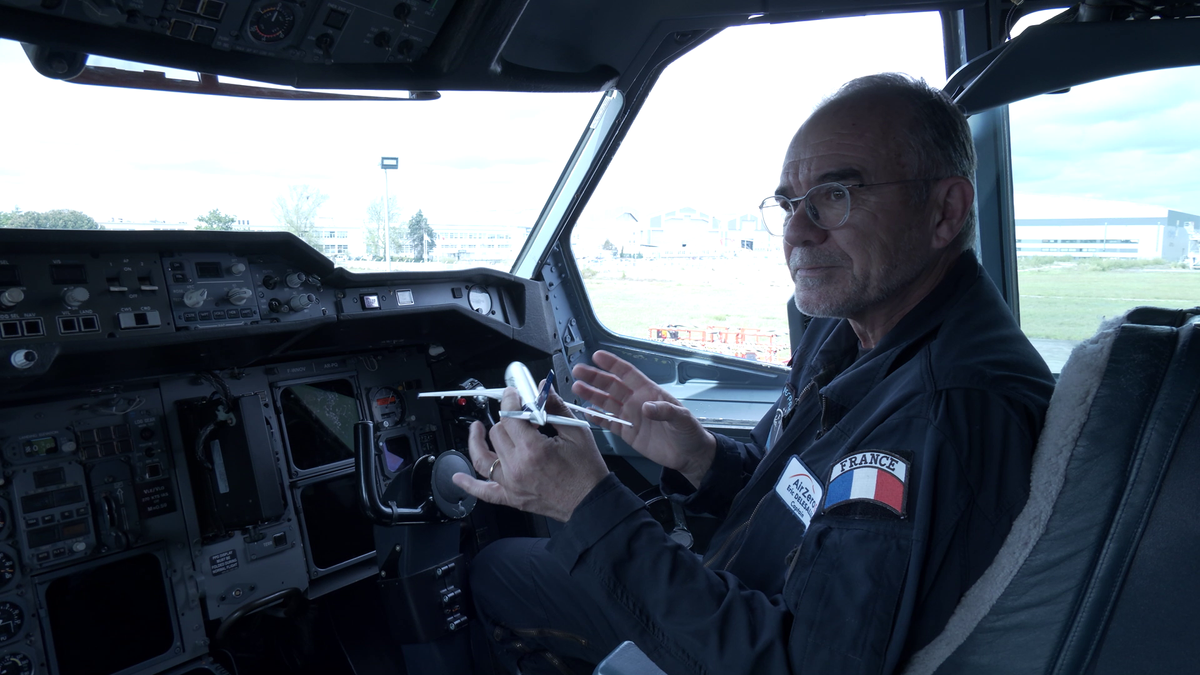
Parabolic flight pilots create lunar and Martian gravity by flying the aircraft in such a way that it falls down, but not too much, to keep just the level of gravity that is needed. The Novespace Air Zero G Airbus A310 is the only plane in the world capable of simulating lunar gravity with scientific precision. These flights are so challenging that there must be four ultra-skilled pilots onboard each flight, making sure that the plane follows an ultra-precise trajectory as it climbs at a 50-degree angle, than falls down more than 8,200 feet before regaining a steady course.