Bay Area Scientists Edge Closer to First Dark Matter Signal With Underground Xenon Detector
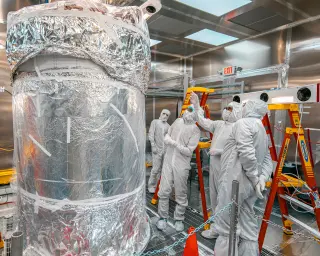
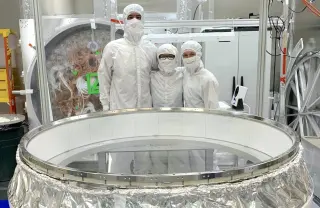
Berkeley and LLNL researchers are part of the LZ dark matter experiment, a 10-ton liquid xenon detector buried about a mile underground in a former South Dakota mine. Analysis of roughly 220 days of data yielded one unusual xenon recoil that could hint at a dark matter interaction, but the result is only 2.6 sigma—not near the 5-sigma threshold for discovery. Scientists caution against over-interpreting a single event and will continue collecting data, with cross-checks from PandaX and XENONnT as they seek more events to strengthen the signal.