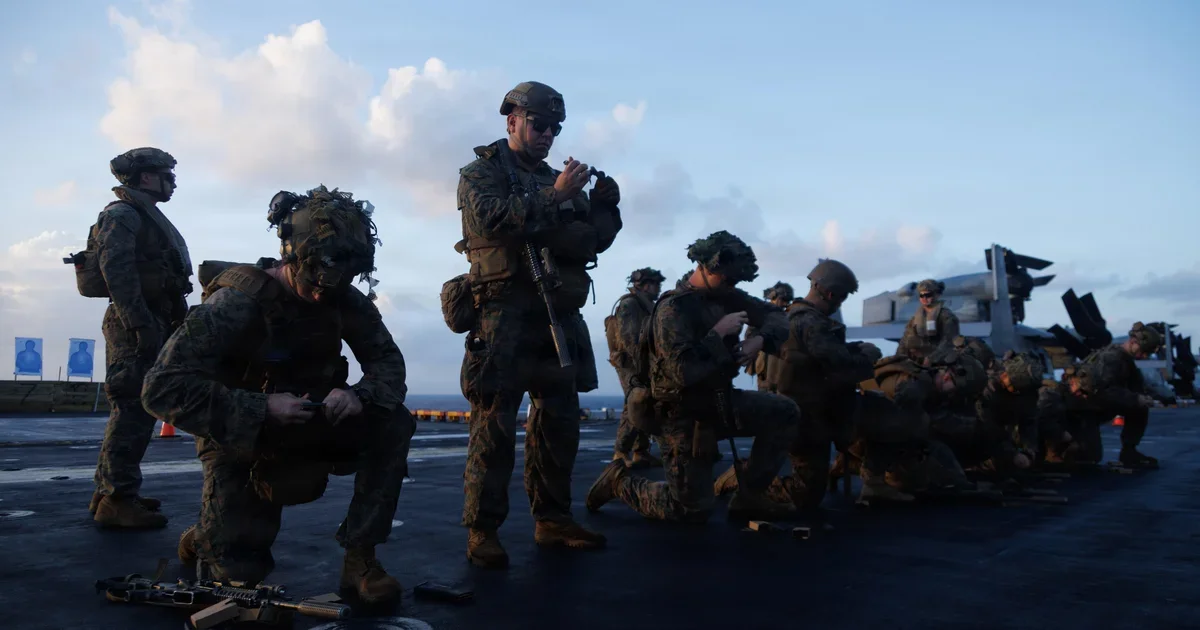
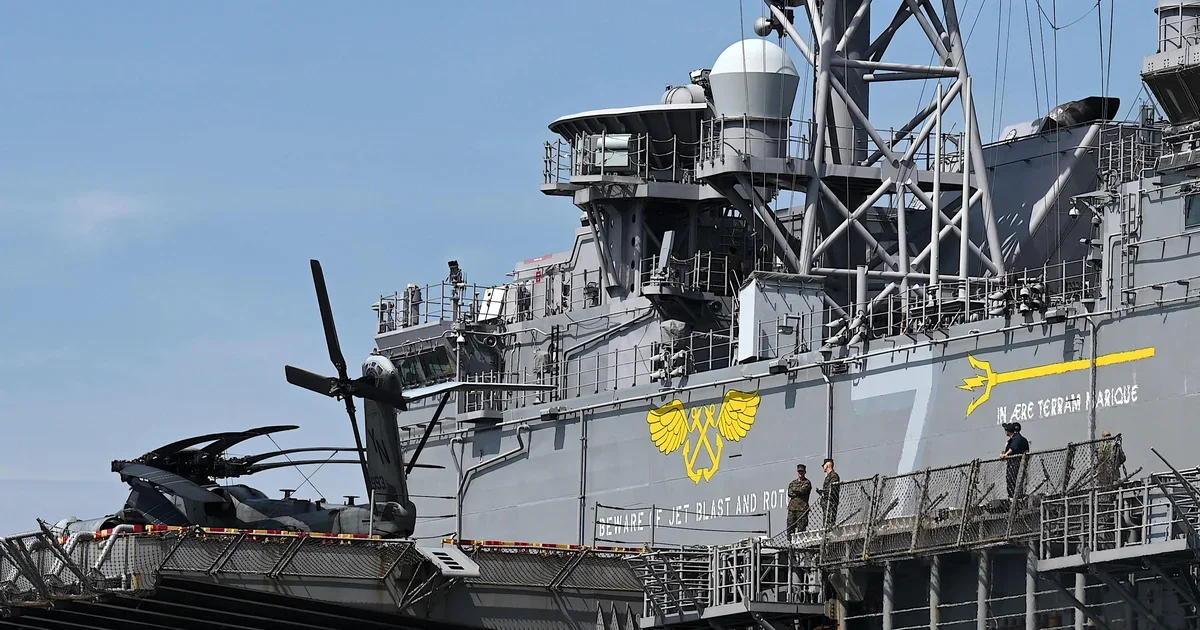
Defense Secretary Pete Hegseth posted a morning PT clip aboard the USS Boxer with his wife Jennifer Rauchet, a former Fox News producer with no military service, prompting criticism that the Pentagon is being used for public PR stunts; the Defense Department did not comment.
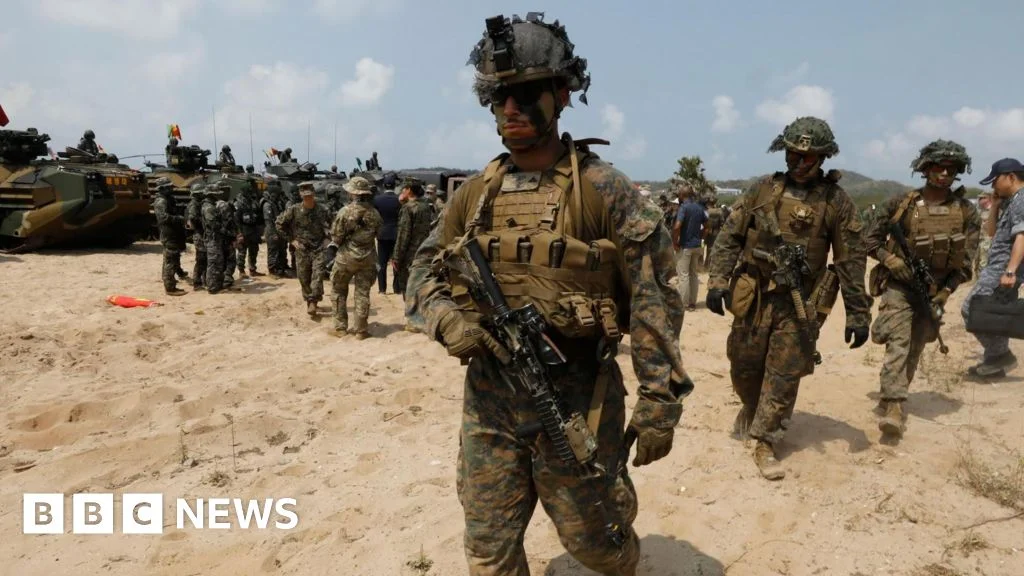
Hundreds of U.S. Special Operations Forces, including Navy SEALs and Army Rangers, along with thousands of Marines and Army paratroopers, have arrived in the Middle East, giving President Trump potential options against Iran such as actions targeting the Strait of Hormuz, Kharg Island, or Iran’s stockpiled enriched uranium. The deployment, reported by sources familiar with the arrangements and first referenced by The New York Times, includes more than 3,500 troops in the region with the USS Tripoli and about 2,500 Marines, a second Marine Expeditionary Unit en route, and elements of the 82nd Airborne expected to join (under 1,500 troops). CENTCOM declined to comment.
The Pentagon is reportedly mapping out a ground operation in Iran, detailing plans to deploy elite units such as the 82nd Airborne and thousands of soldiers across multiple amphibious ships, potentially deploying up to about 8,000 personnel. The reporting, from CBS News and the Washington Post, notes the plans are not yet approved and include aims like detaining opponents and positioning troops if entered Iranian territory. Trump has publicly insisted he’s not sending troops, while White House and Pentagon spokespeople say preparations are intended to provide maximum flexibility. The development comes as regional tensions escalate and U.S. forces continue to build up in the area.
Donald Trump has reportedly considered a plan to invade Kharg Island in Iran, deploying two Marine task forces and carrier-capable assets to seize the oil hub, but officials say no decision has been made to send ground troops and the plan would carry significant risks and potential losses.
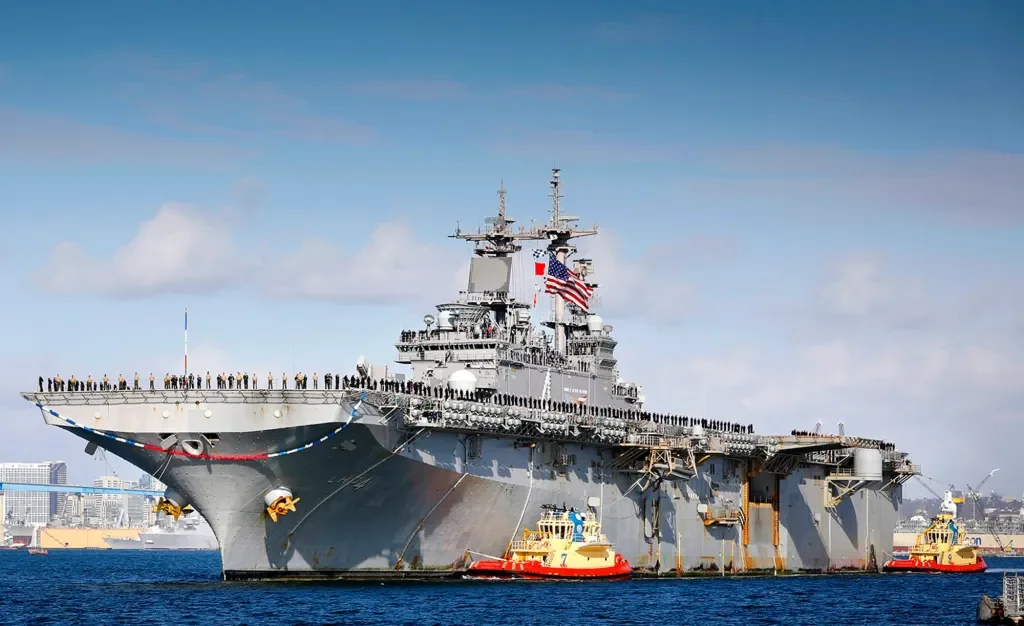
Three San Diego–based warships led by the USS Boxer, carrying up to 2,500 Marines from Camp Pendleton’s 11th MEU, departed for the Middle East to bolster U.S. forces amid tensions with Iran; the Boxer with its Portland and Comstock is part of a Boxer Amphibious Ready Group intended for rapid-response missions, following the earlier deployment of another carrier group and amid Pentagon plans to potentially augment regional ground operations and secure key maritime chokepoints.
A second Marine Expeditionary Unit of about 2,200 Marines and three warships is heading to the Middle East, joining a first MEU already en route from the Pacific; the USS Tripoli is part of the initial group, and the second unit may take a few weeks to reach the region. The deployment unfolds as tensions with Iran continue, with the president reiterating that U.S. troops will not be deployed on the ground, and the U.S. has suffered 13 service member deaths in Operation Epic Fury.
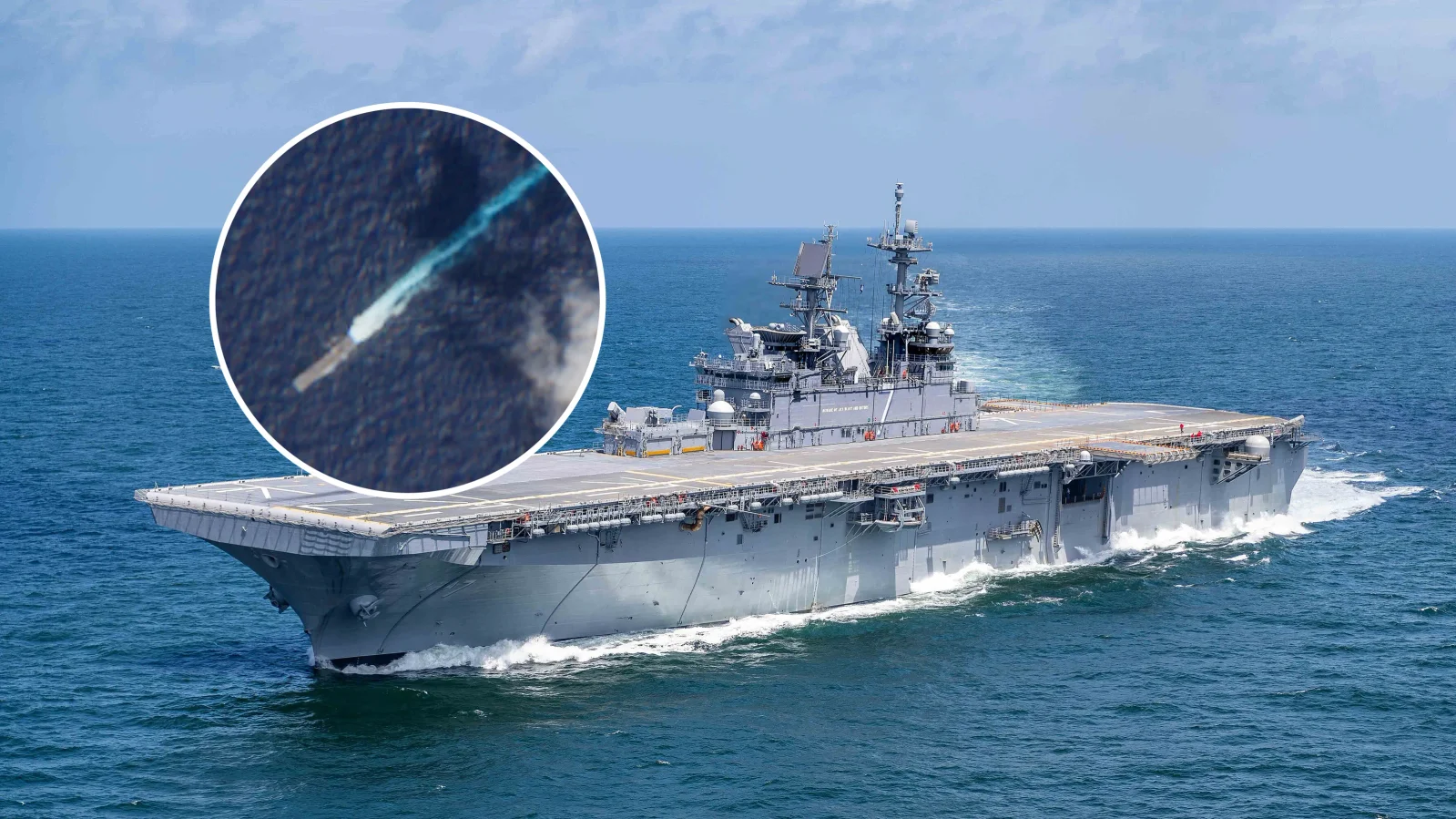
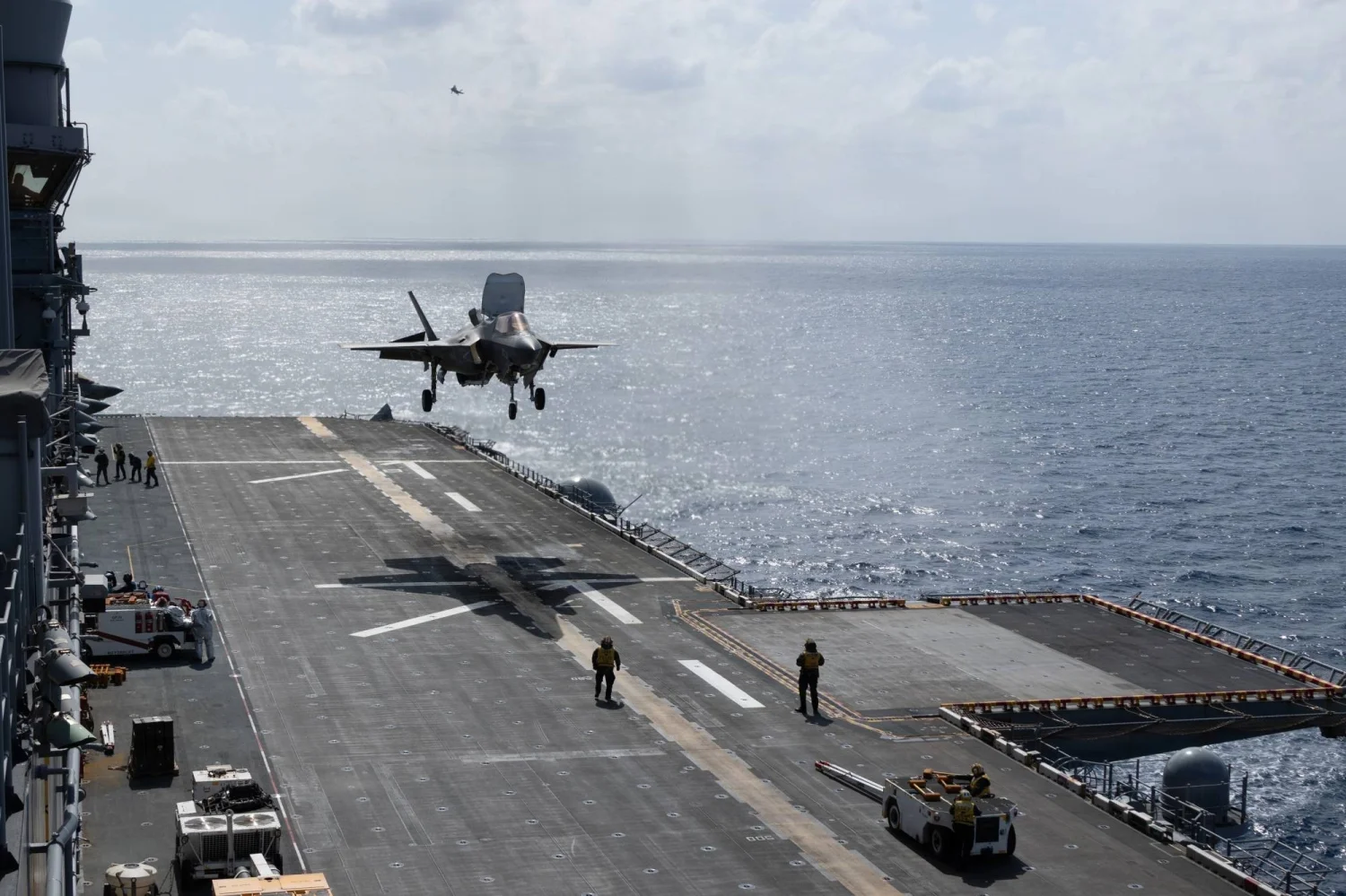
Satellite-tracked movement shows the USS Tripoli (LHA-7), carrying about 2,200 Marines from the 31st Marine Expeditionary Unit, sailing toward the Middle East with two escort ships. The deployment signals a broader U.S. force buildup around Iran, though officials have not confirmed any ground invasion or official troop counts, and it could take up to two weeks to position. The Tripoli will join carrier groups Ford and Lincoln; the MEU is a rapid‑response, self-contained force capable of ground, air and logistics operations, with the exact implications for Iran still uncertain.
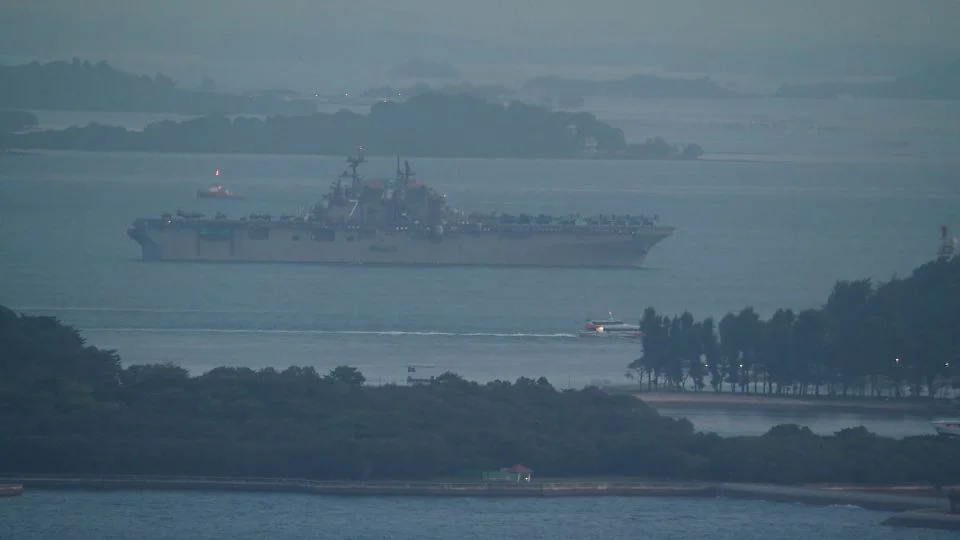
A US Navy amphibious assault ship, USS Tripoli, believed to be ferrying about 2,200 Marines from the Okinawa-based 31st Marine Expeditionary Unit to the Middle East, was tracked near Singapore as it transited toward the region. Officials did not disclose exact deployment details, and such ships often have AIS transponders off in busy waterways like the Malacca Strait.
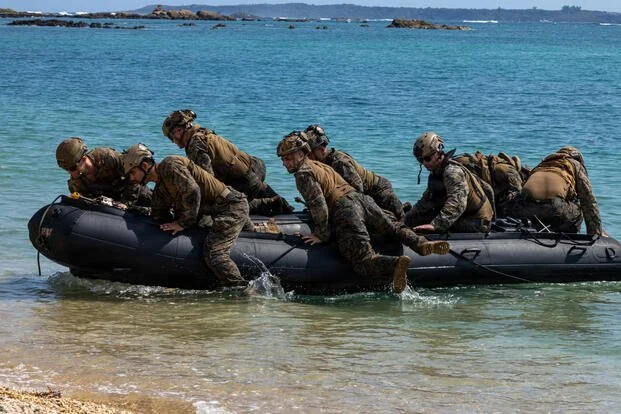
Over 2,200 Okinawa-based Marines from the 31st Marine Expeditionary Unit, along with the USS Tripoli, are being sent to the Middle East amid ongoing U.S.-Iran tensions and attacks in the Strait of Hormuz.
The Pentagon ordered Marines and amphibious ships toward the Middle East to bolster a crisis-response posture near the Strait of Hormuz amid escalating Iran-related attacks on shipping and broader U.S.-Israeli strikes. The deployment, including elements of the 31st Marine Expeditionary Unit aboard the USS Tripoli, aims to enable rapid maritime security, evacuations, and limited operations without large-scale ground forces, while signaling a shift in Marine posture away from the Western Pacific. Hormuz remains a critical chokepoint for global energy, with disruptions pushing oil prices above $100 per barrel and lifting war-risk insurance costs for ships.
Officials say an amphibious ready group and its Marine Expeditionary Unit, led by the USS Tripoli, will deploy to the Middle East as part of a broader US buildup amid ongoing tensions with Iran, with discussions of escorting Strait of Hormuz traffic and relocating missile defenses.
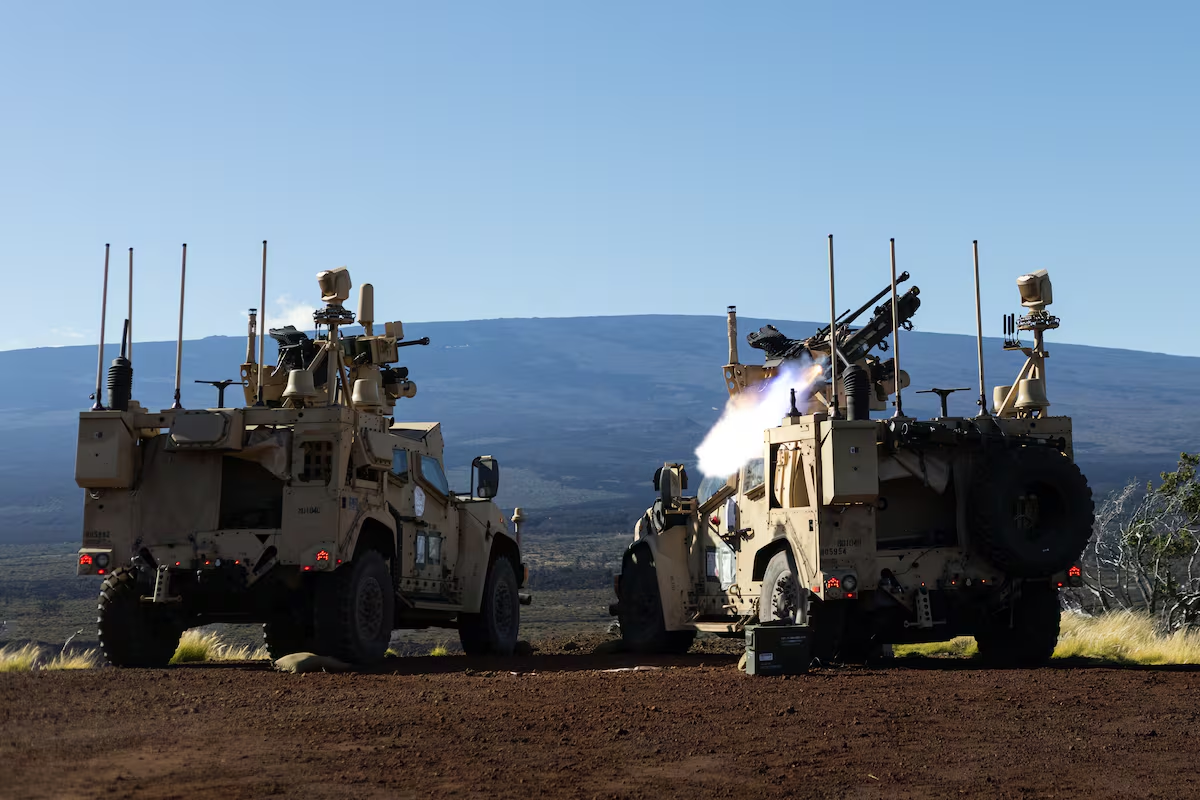
The U.S. Marines have begun production of the Marine Air Defense Integrated System (MADIS), a vehicle-based drone hunter-killer system that uses two light tactical vehicles equipped with Stinger missiles and a 30mm cannon to target unmanned and manned aircraft, replacing older MANPADs and enhancing aerial threat defense capabilities.
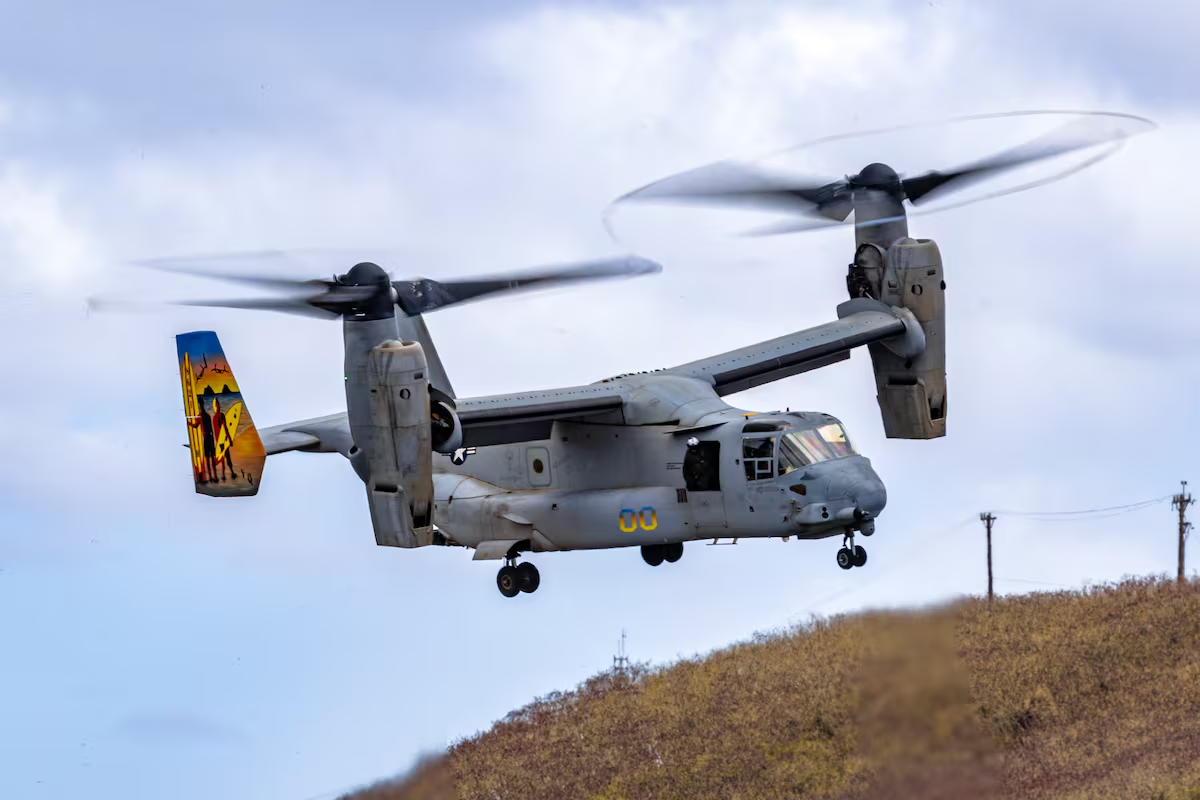
The Marine Corps dismissed the commander, executive officer, and senior enlisted leader of a Hawaii-based Osprey squadron due to a loss of trust in their ability to maintain safety and readiness standards, with Lt. Col. John Campbell now leading the unit.
California lawmakers are demanding answers after a Marine live fire demonstration over Camp Pendleton accidentally caused shrapnel to rain down on Interstate 5, striking CHP vehicles. The incident, part of a celebration for the Marine Corps' 250th anniversary, raised safety and coordination concerns, with officials questioning the decision to fire over a busy highway and calling for investigations. The event also sparked political tensions between California leaders and the federal government.
Marines are investigating a live-fire blast that occurred over California's I-5 freeway during a rehearsal for a demonstration attended by Vice President JD Vance and Defense Secretary Pete Hegseth, involving artillery rounds launched over the highway.