
Vitamin D Deficiency Linked to Higher Pain and Opioid Use After Breast Cancer Surgery
A new study suggests that breast cancer patients with low vitamin D levels may experience more pain and require more opioid medication after surgery.

All articles tagged with #mastectomy
A new study suggests that breast cancer patients with low vitamin D levels may experience more pain and require more opioid medication after surgery.
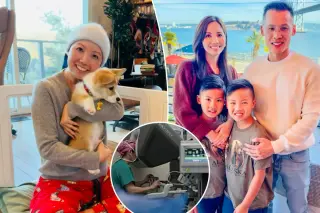
A California mom with triple-negative breast cancer underwent the United States’ first robotic single-port nipple-sparing mastectomy outside clinical trials, using a $2 million Da Vinci SP robot named Carol at Sutter Health’s Alta Bates Summit Medical Center. The procedure preserves the nipple and skin through a tiny initial incision and 3D magnified vision, with the surgeon in full control. The FDA has cleared the robot for nipple-sparing mastectomies, signaling broader adoption as more centers train. Pan is now in remission but continues chemotherapy and immunotherapy to prevent recurrence and will need reconstructive surgery, marking a hopeful milestone in cancer care and surgical technology.

A detransitioner, Claire Abernathy, who began gender transition at 14 and underwent a teenage double mastectomy after a brief consultation, writes an open letter accusing Dr. Alan Dulin of performing an unnecessary operation and harming her, detailing long‑term physical and emotional consequences and urging accountability as Fox News covers her op-ed and the broader debate over youth gender surgeries.

Sharon Stone revealed on a podcast that her then-husband stormed out when she chose to pursue a bilateral mastectomy for benign tumors, telling her she was making too many decisions herself, a moment she says effectively ended their marriage. Stone ultimately did not undergo the surgery due to the tumors being benign, but the anecdote sparked online backlash and sparked broader discussion about how partners support sick spouses.

A UK woman battling a second breast cancer diagnosis adopted Dolly in 2018 for support; years later Dolly was diagnosed with breast cancer and underwent a mastectomy, with the cancer described as low-grade and requiring no further treatment, and both dog and owner are now cancer-free. The owner carries a BRCA2 gene mutation and also had a double mastectomy, illustrating the deep bond with a pet that can accompany and comfort patients through cancer treatment.

A CNN/KFF Health News report highlights post-mastectomy pain syndrome (PMPS), a poorly defined and undertreated condition where many survivors experience chronic chest, shoulder, or armpit pain months to years after mastectomy and reconstruction. Patients describe pain severe enough to disrupt work and daily life, while doctors often dismiss symptoms and there is no FDA-approved cure. Treatments exist (e.g., nerve targeting, gabapentin) but results vary and evidence is limited. Legislation like the Advancing Women’s Health Coverage Act aims to improve coverage for chronic post-treatment complications and spur more PMPS research, signaling a need to address long-term suffering beyond cancer survival.
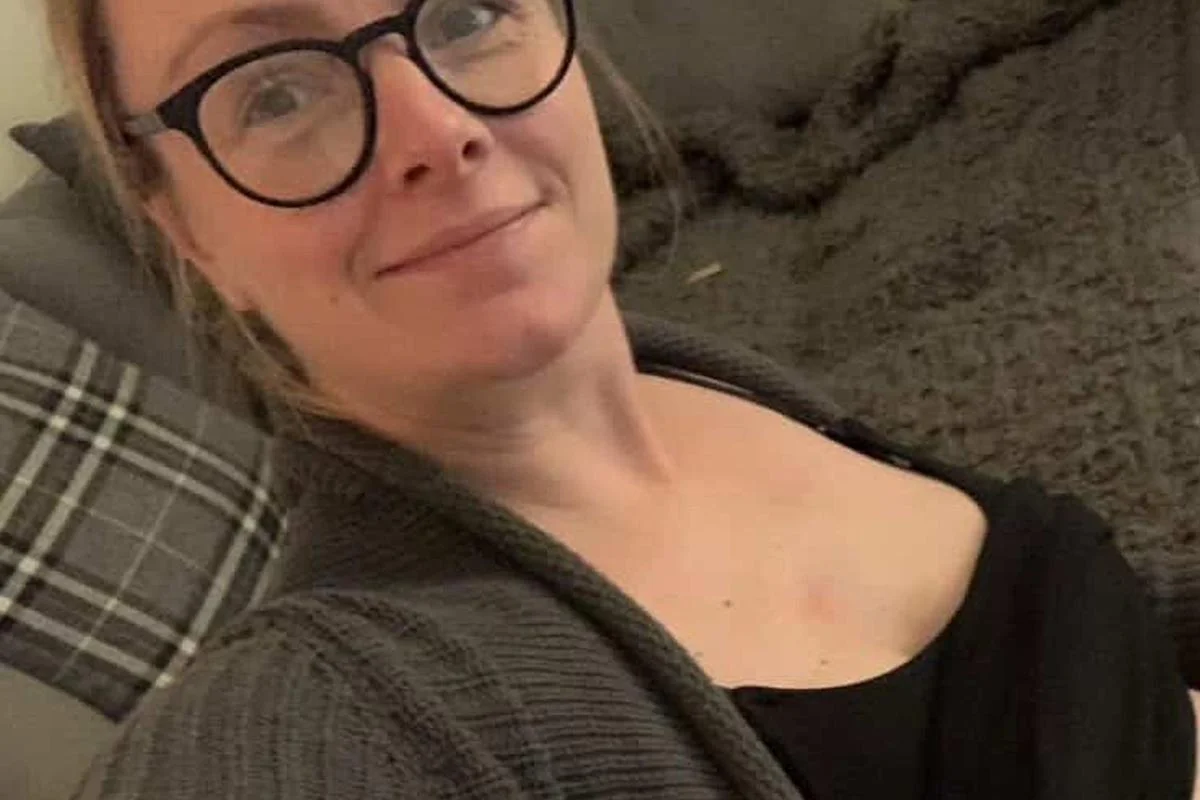
Gemma Fish, a 43-year-old Manchester mother, noticed her right breast shrink during pregnancy and later develop an inverted nipple. After medical evaluation, she was diagnosed with breast cancer (initially Stage 1), underwent a right mastectomy in 2023 followed by chemotherapy and radiotherapy, and had her ovaries removed in 2024, which revealedStage 4 cancer. She later had a left mastectomy in 2025. Living with treatable (not curable) Stage 4 cancer, she now advocates for paying attention to any breast changes and seeking medical advice promptly to improve outcomes.
A European study of about 1,500 women who had mastectomy with reconstruction and radiotherapy found polyurethane-coated implants significantly lowered the risk of capsular contracture and the need for secondary surgery compared with standard implants over 2.5–3 years, suggesting implant choice can influence post-radiotherapy complications and guide reconstruction planning.
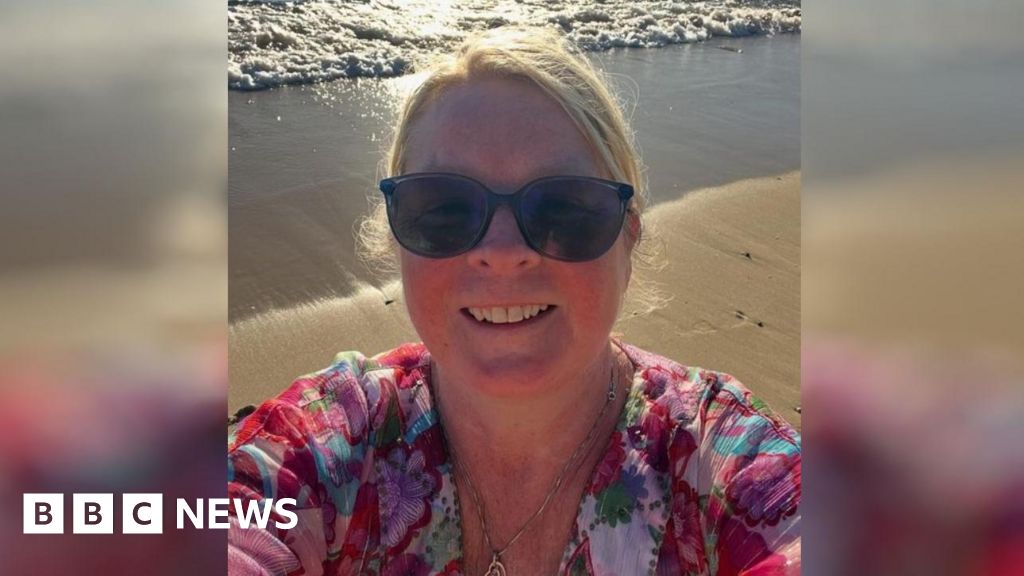
A nurse and theatre coordinator at Queen Elizabeth the Queen Mother Hospital shares her personal experience with breast cancer, including her diagnosis, mastectomy, complications, and recovery, highlighting the emotional and physical challenges she faced and her positive outlook on life afterward.
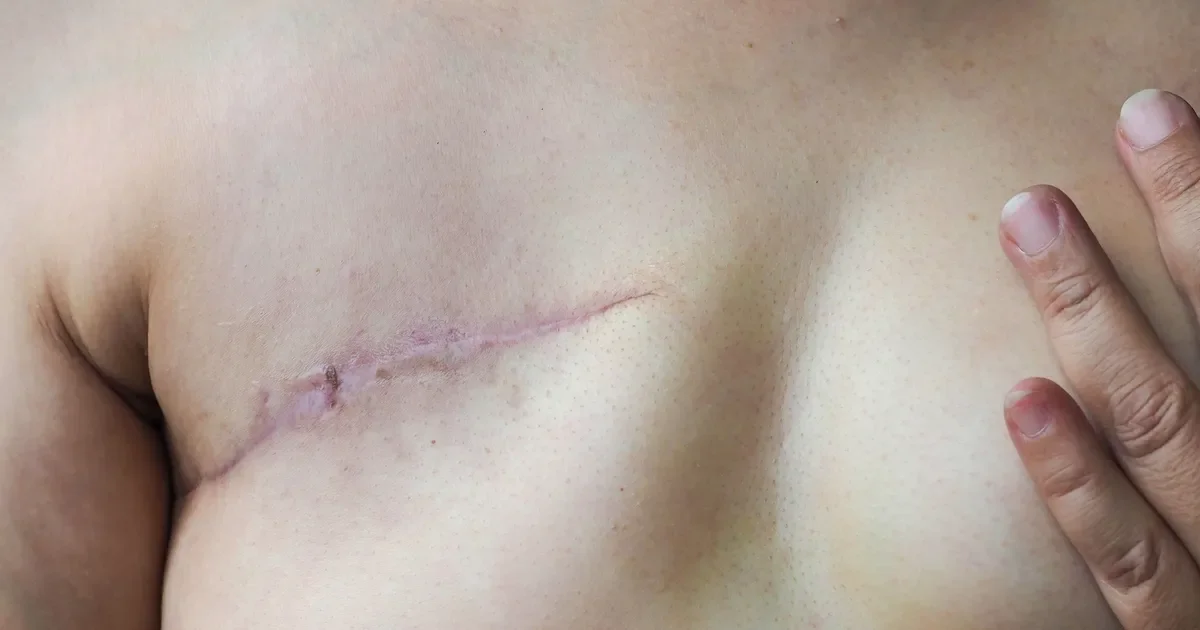
The article discusses the challenging and often complicated process of breast reconstruction for women after mastectomy, highlighting the physical and emotional disruptions it can cause over the years.

An increasing number of breast cancer survivors are choosing to go flat after mastectomy, reflecting a cultural shift towards body autonomy and redefining recovery and beauty, with many opting out of reconstruction for personal, faster recovery reasons.

Singer Jessie J, battling breast cancer, was hospitalized again after feeling unwell post-mastectomy, revealing an infection and lung fluid, which has been emotionally and professionally challenging for her.
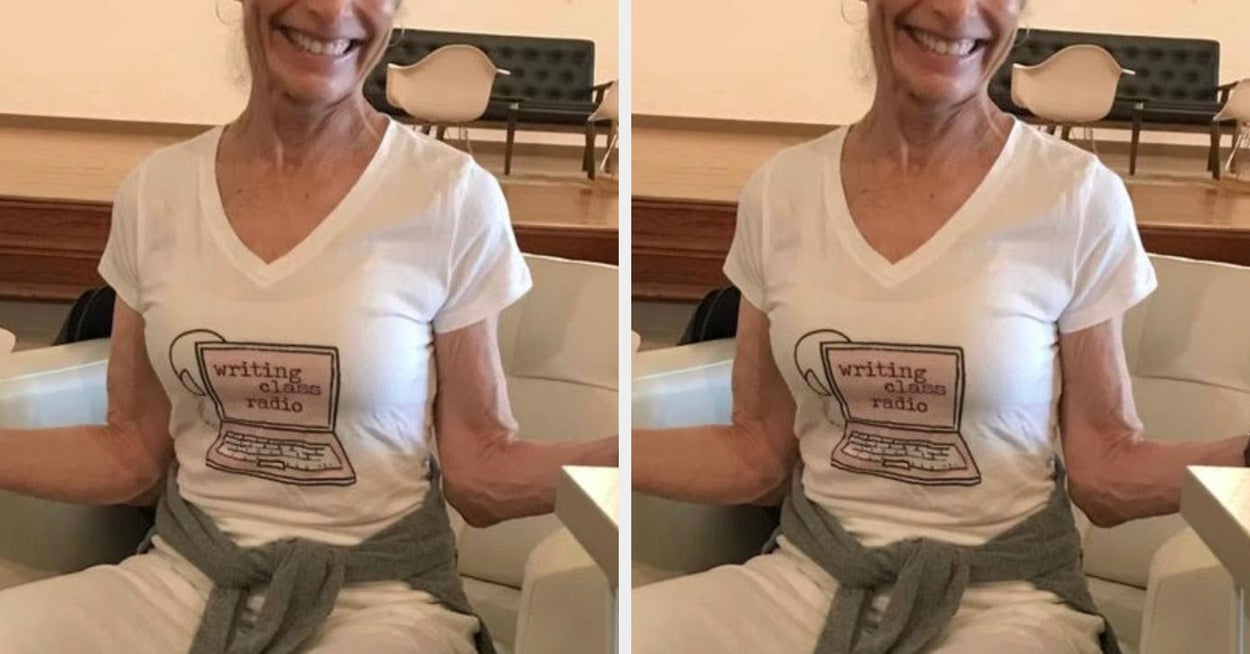
A woman shares her journey of undergoing a double mastectomy due to genetic risk, her struggles with body image and reconstruction, and how she learned to accept and love her body through her relationship with her partner, emphasizing the importance of honesty and self-acceptance.
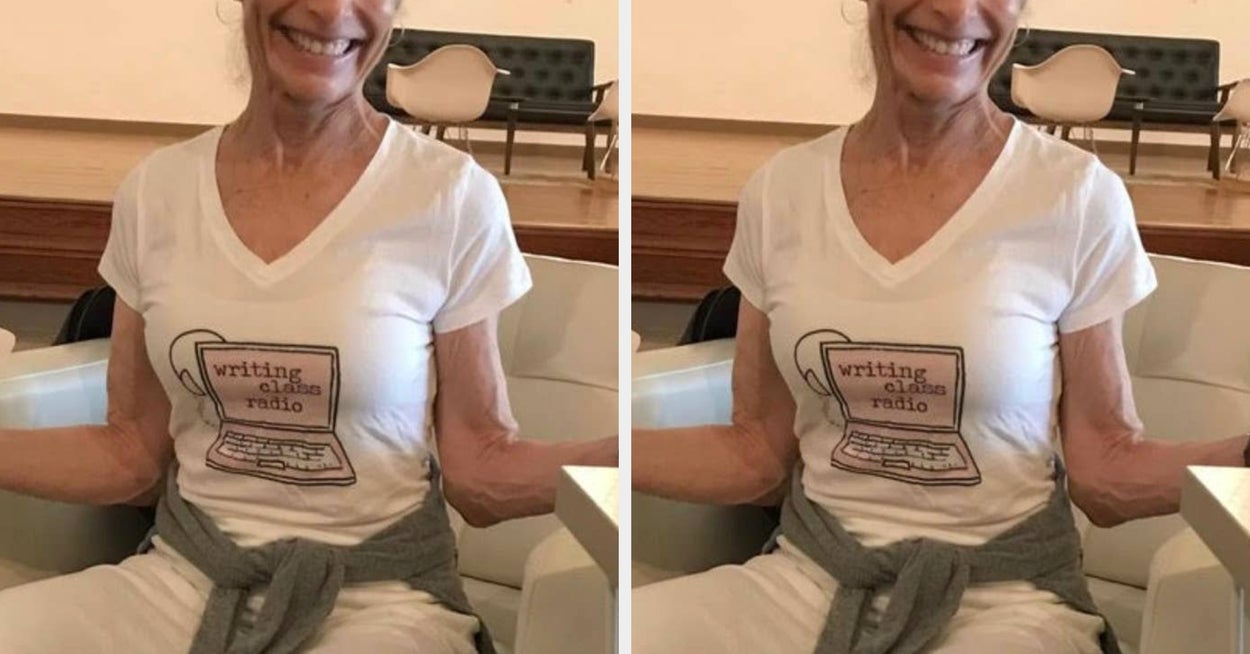
A woman shares her journey of undergoing a double mastectomy due to genetic risk, her struggles with body image and reconstruction, and how she learned to accept and love her body through her relationship with her partner, emphasizing the importance of self-acceptance and honesty.
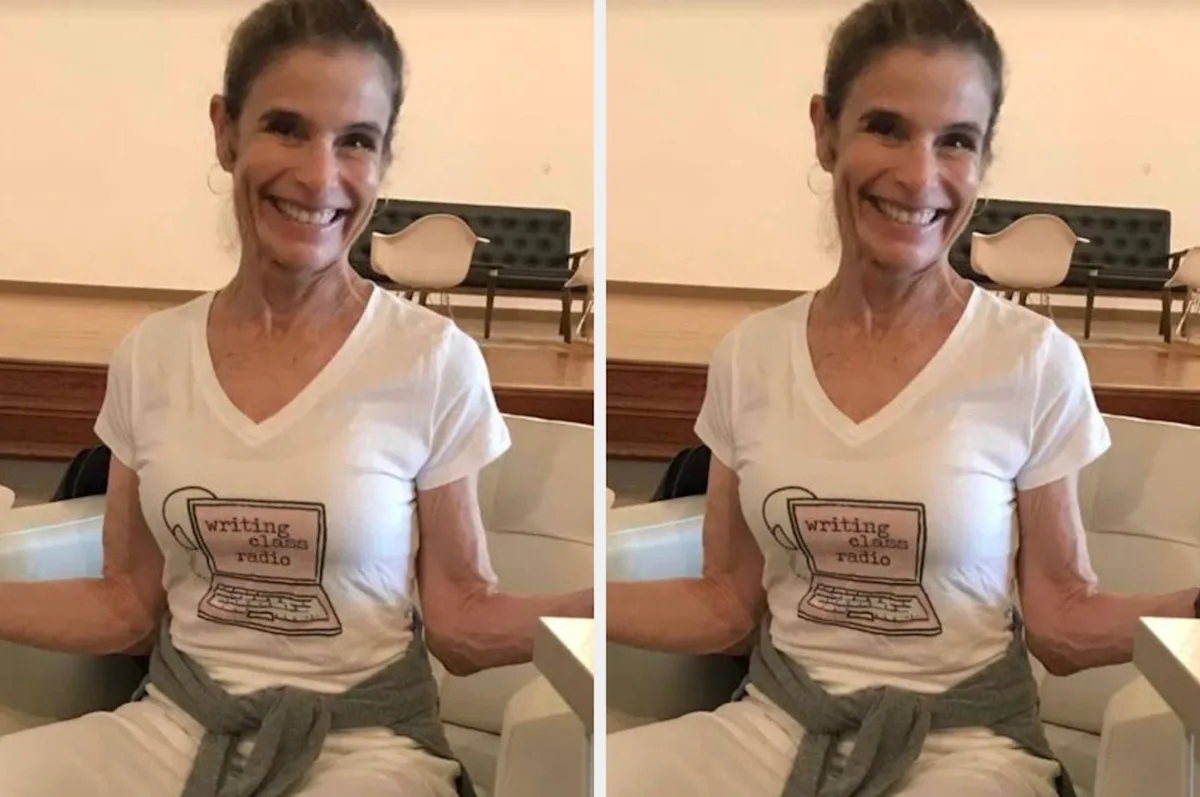
A woman with the BRCA1 gene mutation shares her journey of undergoing a double mastectomy and multiple reconstructive surgeries, her struggles with body image and insecurities, and how opening up to her partner helped her accept her body and find love and confidence.