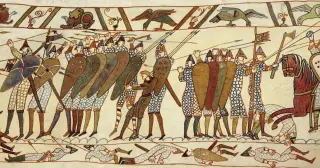
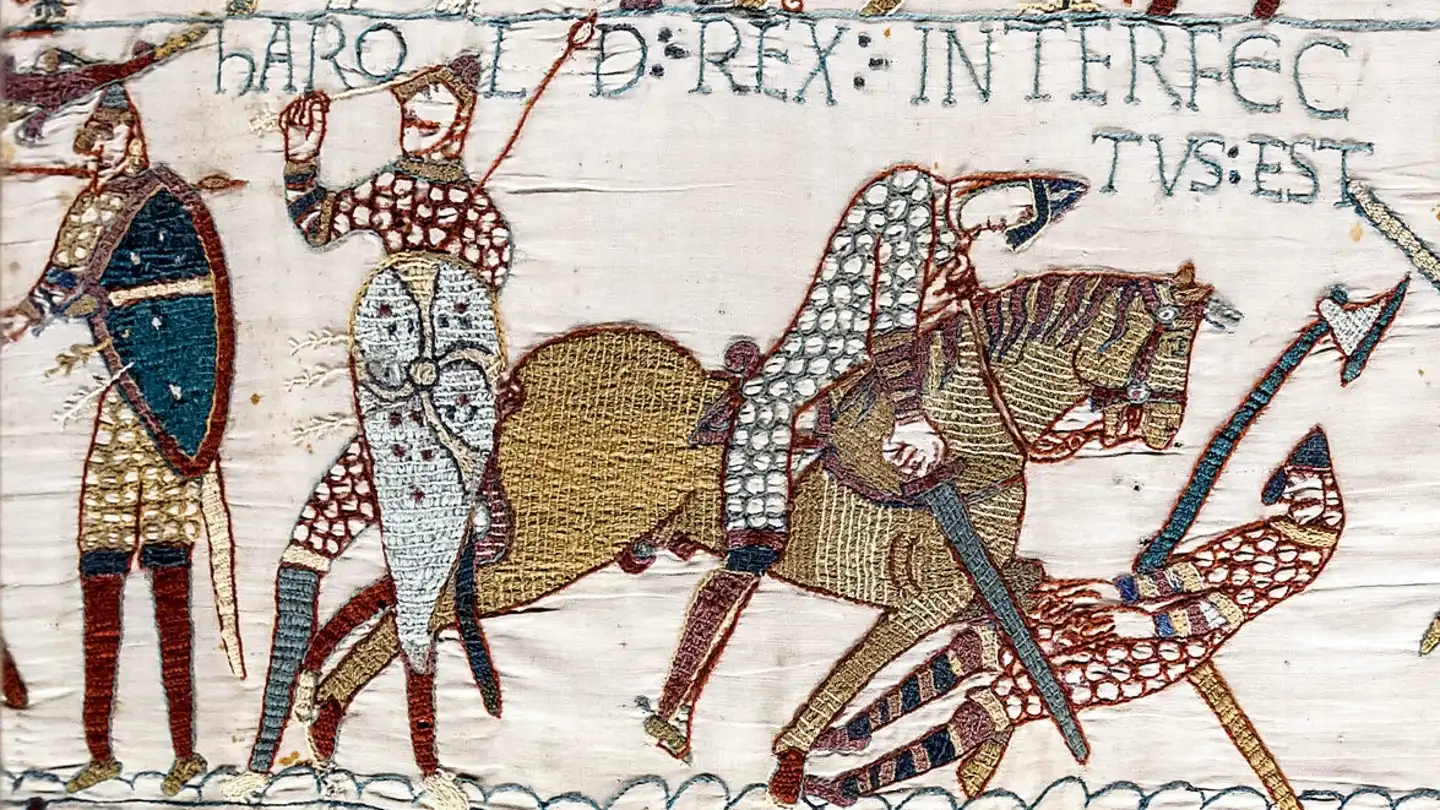
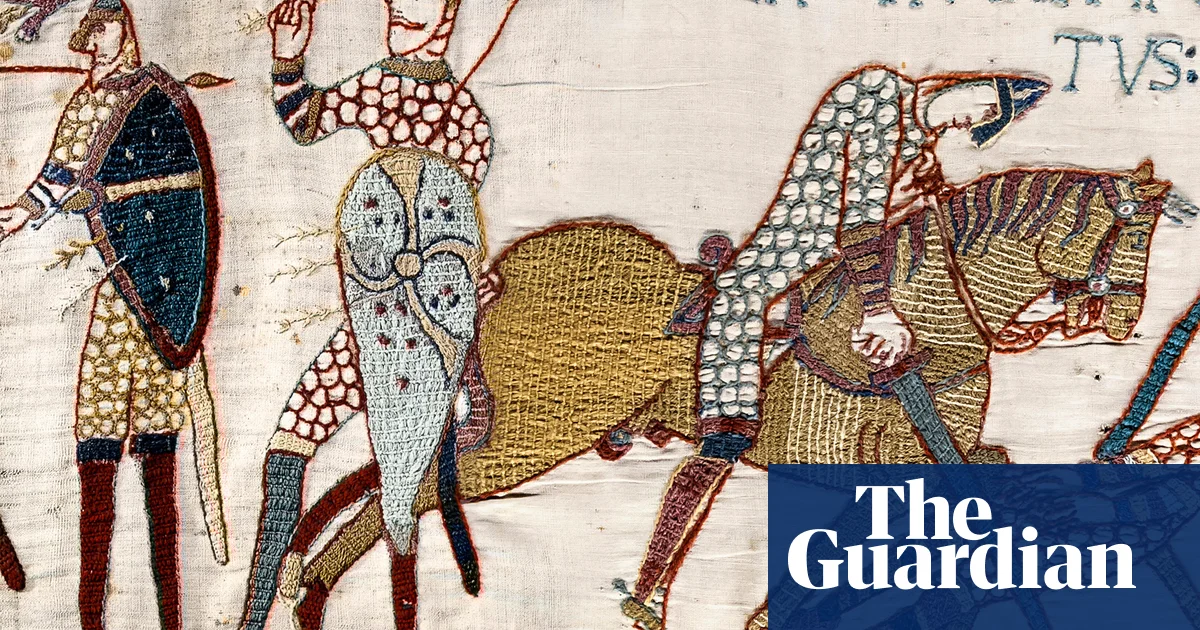
The 230-foot Bayeux Tapestry, a hand-stitched chronicle of William the Conqueror’s 1066 invasion, goes on show in London. Described by its curator as a “once-in-a-millennium moment,” the display marks a seismic milestone in British history and offers a rare public glimpse of this medieval masterpiece.
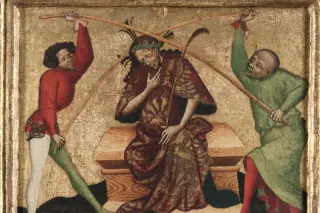
Scholarly evidence from skeletal remains, dental anomalies, medieval art, and manuscripts indicates that the syphilis-causing bacterium Treponema pallidum existed in Europe before Columbus’s voyages. Findings include a sixth‑century skeleton in West Sussex with treponemal damage, a 13th‑century Anatolian specimen, and a 15th‑century painting showing saddle‑nose deformity associated with syphilis. Writers argue that, while bejel and yaws complicate diagnosis, the combined bones, art, and texts support pre‑Columbian presence of venereal syphilis in Europe, challenging the traditional Columbian Exchange narrative and suggesting complex historical patterns of disease that affected elites and commoners alike.
The Bayeux Tapestry, a 950-year-old embroidered historical record of the Norman Conquest, features an unexpectedly high number of depictions of penises, which some interpret as symbols of power and virility or as coded commentary on the events, with debates ongoing about whether one particular depiction is an anatomical detail or a scabbard.
The Bayeux tapestry, a 70-meter embroidered artwork from the 1060s, vividly depicts the Norman conquest of England, highlighting themes of war, loyalty, betrayal, and the human cost of battle. Made likely by Anglo-Saxon women, it offers a detailed, emotionally charged narrative from the Norman perspective and will be exhibited at the British Museum in 2026 as part of a cultural exchange with France.