CNBC analysis shows President Trump bought 327 stocks on April 8, 2025, including Apple, Alphabet, Amazon, Microsoft and Nvidia, ahead of a tariff reversal that aided a roughly 9.5% S&P 500 rally the next day, illustrating how his personal investments can move markets and prompting debate over conflicts of interest and market manipulation.
SpaceX shares rose 2.5% after a brutal two-day selloff that wiped more than $600 billion from its market value, one of the sharpest reversals for a newly listed mega-cap; despite the rebound, the stock sits about 10% above its $135 IPO price and the rout has dragged the tech sector.
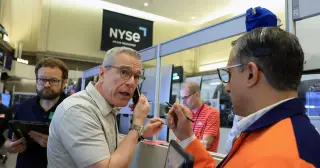
The S&P 500 and Nasdaq fell on Monday as megacap tech names dragged the market (Alphabet, Meta, Amazon, Microsoft), while the Dow rose about 0.4%. SpaceX extended losses after a debt offering, and investors eyed U.S.-Iran negotiations along with upcoming PCE inflation data and Micron’s results. Apogee Therapeutics surged after AbbVie agreed to buy it for $10.9 billion, underscoring deal activity in a mixed market.
SpaceX surged in its post-IPO run, approaching a $3 trillion market value and briefly surpassing Amazon while edging past Microsoft, putting it in the same megacap league as Nvidia, Alphabet and Apple. The rally boosted SpaceX’s value by about $413 billion in a single day, after a broader rise from its IPO price, underscoring investor conviction that SpaceX is a diversified megacap with Starlink, defense, launch services and AI infrastructure in its core story.
S&P Dow Jones Indices completed a market consultation on MegaCap treatment and will maintain the current eligibility criteria for the S&P 500, S&P MidCap 400, and S&P SmallCap 600 (financial viability, seasoning, and IWF) while not granting exceptions based solely on market cap. For the broader S&P Total Market Index, S&P Completion Index, and Dow Jones U.S. Total Stock Market Index, new entry criteria are proposed: a stock must have either an IWF of at least 0.10 or a float-adjusted market cap at least 10% of the 100th largest company in the respective index. Current constituents still have no minimum, and exceptions to the viability, seasoning, and IWF rules remain unlikely to be granted purely on market cap. The Float release after IPO lock-ups may be phased, and IPOs meeting the updated IWF rules could fast-track into the indices. Implementation is set to take effect before market open on June 8, 2026.
U.S. stock futures are mixed as mega-cap tech earnings prime the AI-driven capex cycle, with Alphabet, Amazon, Microsoft and Meta signaling strong cloud/infrastructure demand and contributing to a roughly $131 billion Magnificent 7 AI-related spend in Q1. Meanwhile, Brent and WTI oil advanced to multi-year highs on Middle East tensions and supply concerns. The Federal Reserve left rates unchanged at 3.5%–3.75% and Powell said he’ll remain on the board after his chair term ends; ECB and BOE decisions are due soon, with markets eyeing potential June moves in Europe as oil-driven inflation dynamics loom.
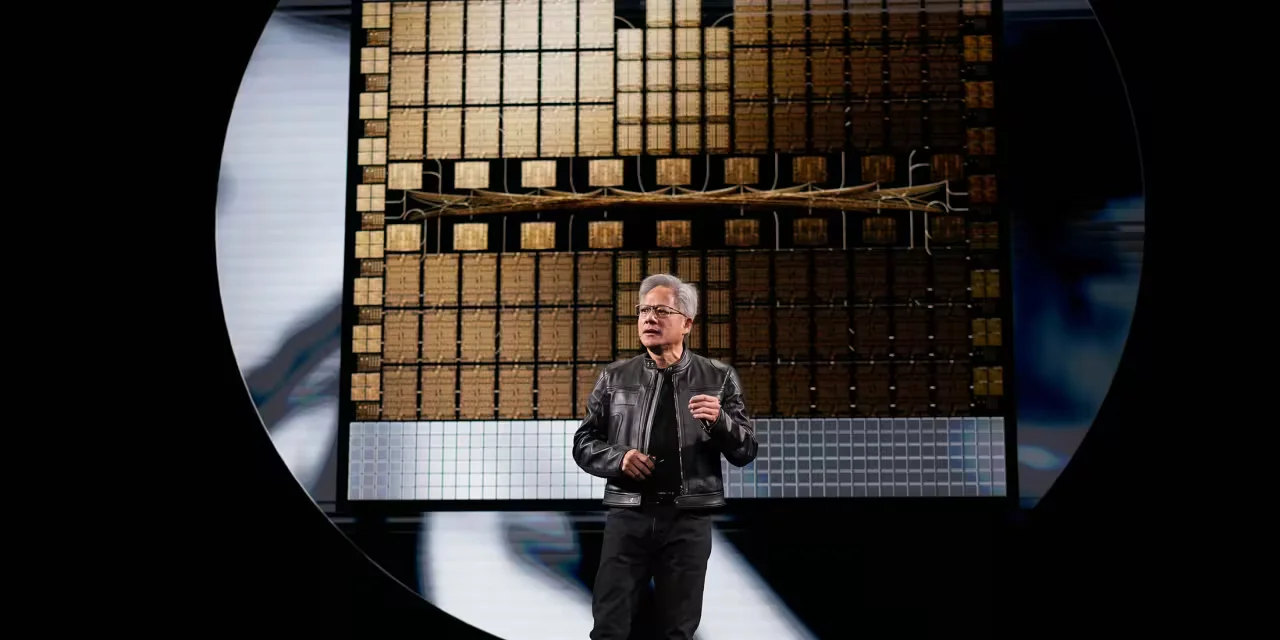
Nvidia beat on Q4 profits, revenue, and forecasts, but the stock slid 5.5% on Thursday—erasing about $259 billion in market value—and was down another 3.2% on Friday as investors weigh AI demand and megacap capex against lofty valuations, while broader markets also declined.