NM jury finds Meta harms kids' mental health and violates state law
A New Mexico jury ruled that Meta's platforms harm children's mental health and safety and violate the state's consumer-protection law.
All articles tagged with #mentalhealth

A New Mexico jury ruled that Meta's platforms harm children's mental health and safety and violate the state's consumer-protection law.

Barry Keoghan says relentless online attacks on his appearance have driven him to withdraw from public life and social media, warning that the abuse could affect his career and his young son as he avoids going outside after premieres and events.

A review of nine observational studies (ages 10–19) finds seven showing a link between higher sugary drink intake and increased anxiety among adolescents; teens with high consumption had about 34% higher odds of an anxiety disorder, though causality can’t be established and reverse effects or confounders may play a role. The findings suggest reducing sugary drink intake could support teen mental health; guidelines caution limiting free sugars to about 5% of daily calories, and practical swaps include water or unsweetened beverages, with energy drinks potentially harming sleep and behavior.

A free, no-subscription tool lets you mix nature sounds and binaural audio to create a personalized relaxation soundscape that can lower cortisol and ease stress; use presets like 'Just Breathe' with 'Unplug' and 'Melt Stress' to tailor a calming soundtrack right from the post.

U.S. anxiety medication use has climbed to about 38 million adults by 2024, with SSRIs like Lexapro, Prozac, and Zoloft considered frontline treatments. The increase coincides with MAHA’s push to critique medications and promote diet, exercise, and therapy, fueling a broader debate about safety and access. Medical professionals emphasize the benefits and manageable side effects for many patients, noting telehealth and social pressures help drive uptake—especially among young adults, women, and LGBTQ+ individuals—while cautioning against long-term benzodiazepine use and acknowledging concerns about non-prescribed access.

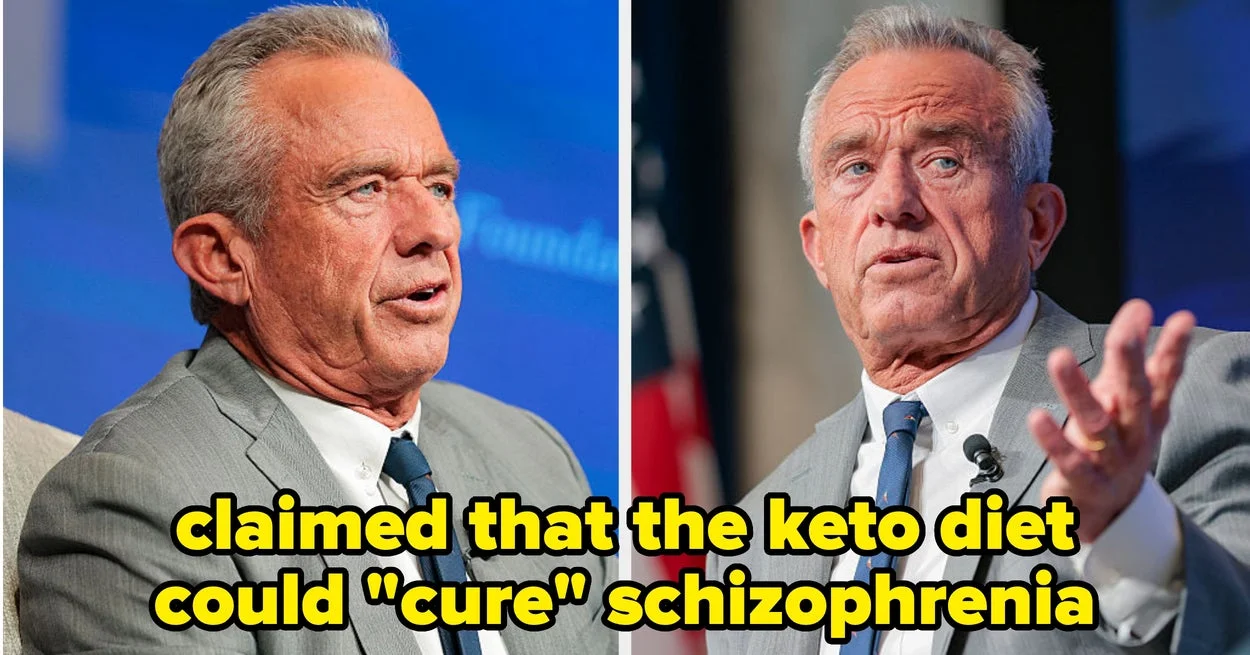
RFK Jr. told a Tennessee audience that a keto diet could cure schizophrenia and erase bipolar diagnoses, a claim critics say lacks solid evidence and could mislead people with serious mental illness; the BuzzFeed piece invites doctors and nurses to weigh in on the dangers of equating diet with medical cures.

A Wenatchee mother raised concerns about her ex-husband Travis Decker's mental health and stability before he allegedly took and killed their three daughters, Paityn, Evelyn, and Olivia, with his whereabouts still unknown. Court documents reveal escalating concerns over Travis's mental health, homelessness, and behavior, leading to court-ordered evaluations and custody modifications. The children were last seen during a custody visit, after which Travis did not return, and their bodies were later found near Leavenworth. The case highlights ongoing issues of parental mental health and safety in custody disputes.

The assassination of UnitedHealthcare CEO Brian Thompson by Luigi Mangione highlights deep cultural and societal issues in the U.S., including political violence, mental health struggles, and widespread discontent with systemic inequities. The incident reflects a broader trend of grievance, entitlement, and self-aggrandizement, exacerbated by increasing loneliness and mental illness. The response to the murder, including some public support for the killer, underscores a dangerous normalization of violence as a means to address societal grievances.

Dr. Nicholas Rosenlicht, a Berkeley psychiatrist, critiques the U.S. healthcare system in his book, highlighting its evolution from a global model to a profit-driven industry. He discusses the public's frustration with insurers like United Healthcare, which prioritize profits over patient care, leading to high costs and poor health outcomes. Rosenlicht advocates for a single-payer system to ensure healthcare as a right, criticizing the current model's impact on mental health care and the broader system's inefficiencies.

A study by researchers from Duke University and Florida State University reveals that exposure to leaded gasoline, used until 1996, has caused significant mental health issues and personality changes in Americans, particularly those born before 1996. The research links lead exposure to 151 million psychiatric cases over 75 years, highlighting its lasting impact on public health. Lead, a neurotoxin, was widely used in gasoline, paint, and plumbing, and its effects are still felt today, with many Americans having been exposed to harmful levels during childhood.

Yes Madam, a startup featured on Shark Tank India, faced backlash after an internal email suggested over 100 employees were fired for feeling stressed. The company clarified that no employees were terminated and the email was part of an initiative to highlight workplace stress. Yes Madam introduced a "Happy 2 Heal" program offering head massages and spa sessions, and a De-Stress Leave Policy granting six paid leaves annually for mental health. The company emphasized its commitment to employee well-being.

A new study published in the Journal of Child Psychology and Psychiatry suggests that leaded petrol may have contributed to a mental health crisis among Generation X, with an estimated 151 million additional mental health disorders linked to lead exposure. The study highlights increased rates of anxiety, depression, ADHD, and neuroticism, alongside decreased conscientiousness. Despite the known toxicity of lead, its widespread use in petrol throughout the 20th century has had lasting effects on public health, with implications for educational outcomes, criminal behavior, and overall societal well-being.

A music therapy group in Bournemouth, initiated by occupational therapists and supported by the Dorset Community Foundation, is helping individuals with mental health conditions, like schizophrenia, regain confidence and a sense of purpose through music. The initiative, which has been running for over a year, allows participants to reconnect with music as a meaningful occupation, providing them with hope and social engagement. Gaynor, a saxophonist who had stopped playing due to her illness, is now preparing to perform an original song with the group, feeling she has regained a part of her life.

Heavy cannabis use and genetic predisposition to schizophrenia independently increase the risk of developing psychosis, with no interaction between the two factors. Daily use of high-potency cannabis is strongly linked to psychosis risk, regardless of genetic predisposition. These findings suggest separate pathways for cannabis and genetic risks, highlighting the need for targeted prevention strategies as cannabis use and potency rise globally.

A study published in the Journal of Child Psychology and Psychiatry links the use of leaded gasoline to an estimated 151 million mental health disorders in the U.S. over 75 years, particularly affecting Generation X. The study highlights increased rates of depression, anxiety, ADHD, and neurotic behavior among those exposed to leaded gas as children, with peak exposure occurring from the mid-1960s to mid-1970s. Despite the ban on leaded gas in 1996, the long-term effects continue to impact mental health, with researchers suggesting these estimates are conservative.