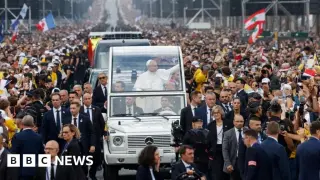
Pope Leo XIV celebrated Mass for an estimated 700,000 people in Paris, praising young Catholics' energy. He visited a migrant center, emphasizing charitable sharing, while French political figures attended despite the president's absence.
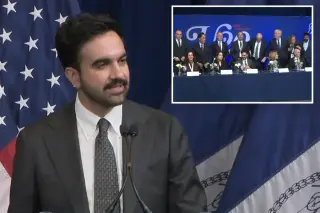
New York City Mayor Zohran Mamdani opened a three-day U20 summit in NYC with 25 mayors from 34 cities to push progressive policies on housing affordability, climate change, and migration, in largely private events with undisclosed locations and limited media access.
Residents of Piddington, a village of about 350 in Oxfordshire, voted in a non-binding referendum to become the “Principality of Piddington” in a symbolic protest against the government’s plan to house up to 1,200 male asylum seekers at a nearby former military base. The 285-26 vote was praised by some as a victory for local democracy and criticized by others as fear-driven; the government says the site will be largely self-sufficient and has pledged to move migrants into better housing and speed up asylum processing. Refugee groups cautioned against scapegoating migrants amid broader debates over housing and safety.
A village in the UK voted to leave the country amid controversy over a plan to house asylum seekers in a migrant camp, highlighting local anger about migration policy. The episode comes as the Labour government under Prime Minister Andy Burnham pushes faster asylum processing and a shift of migrants from hotels, while protests and tension over immigration remain high; the UK saw tens of thousands undertake dangerous Channel crossings in 2025, though arrivals are down so far this year.
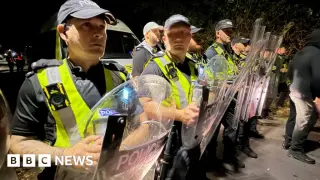
Around 200 protesters, some masked, confronted riot police at Eastney Landing after 120 migrants arrived by dinghy, injuring several officers and damaging vehicles; a dispersal order was issued as coaches carrying migrants left for processing and investigators worked to identify those involved. Politicians condemned the violence, stressing that peaceful protest is a right but illegal disruption will be punished, in the context of ongoing debate over small-boat crossings and UK migration policy.
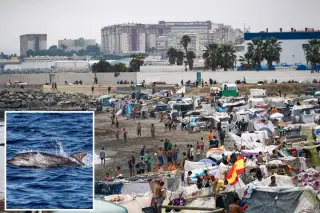
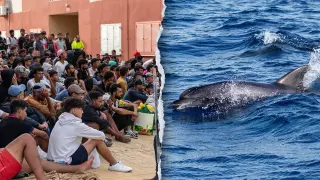
A video from Ceuta shows a group of migrants pulling a baby bottlenose dolphin from the water and beating it during a beach celebration, the calf dies, and residents call for arrests and stricter action as Spain grapples with a migrant influx from Morocco.
A video from Ceuta shows migrants allegedly pulling a baby bottlenose dolphin from the water, beating it with a stick and causing its death, provoking anger among locals who demand arrests and deportations amid ongoing migration tensions and protected-species laws in Spain and the EU.
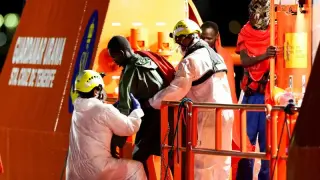
A makeshift migrant boat that left Gambia about a month ago was found adrift about 65 nautical miles southwest of Gran Canaria. Forty-four people were rescued, with several in critical condition; 83 of the 127 passengers have reportedly died, according to Caminando Fronteras, and five bodies could not be recovered due to bad weather. Survivors, mostly from Mali or Senegal, described dehydration and disorientation after a long voyage at sea. The Canary Islands route remains the deadliest Africa-Europe migration corridor, prompting calls for stronger migration policy in Spain amid broader migratory pressures.
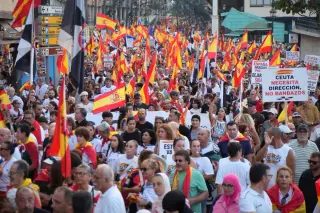
Thousands across Spain, including about 50,000 in Madrid, protested the government's handling of the Ceuta migrant crisis stemming from a July border surge from Morocco, amid clashes, destruction of migrant camps, and renewed calls for stronger border controls.
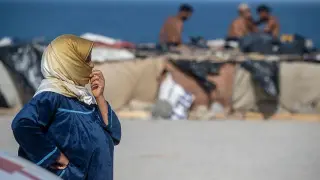
Ceuta’s public anniversary is dominated by the lingering border crisis from July, with migrants sleeping on streets and beaches as authorities push for tighter border controls; Spain defends Moroccan authorities amid questions and disinformation claims, while the government earmarks hundreds of millions for social services to stabilize the enclave and restore normal life for residents and migrants alike.
Spanish prosecutors say 23 sexual assaults have been recorded in Ceuta since late July, including nine against children, roughly one case per day, amid a migrant influx of up to 5,000 people and ongoing border tensions.
Ceuta residents destroyed migrant shelters amid a massive migrant spike from Morocco (over 72,000 crossings) and at least 100 deaths; Spanish Prime Minister Pedro Sánchez accused Russian- and Israeli-linked networks of spreading disinformation that fueled the crisis, highlighting cross-border tensions with Morocco and the broader politics around Europe’s migration challenges.
Locals in Ceuta torched and destroyed migrant shelters amid a massive surge of arrivals from Morocco. Prime Minister Pedro Sánchez said Russia- and Israel-linked networks were spreading disinformation to exploit the crisis, a claim rejected by Moscow and Tel Aviv. Morocco denied involvement. The unrest follows a July surge that saw tens of thousands cross, with at least 100 deaths reported and about 5,000 migrants remaining in Ceuta, prompting Italy to extend temporary Schengen measures as security deployments increased.
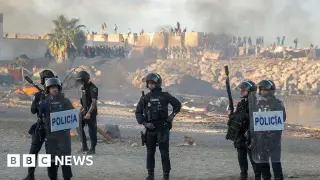
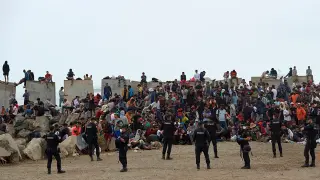
Violence and unrest broke out in Ceuta as thousands of migrants who crossed from Morocco amid the ongoing crisis remain in the city, with residents fearing strain on public services and authorities. Clashes, arson at migrant camps, and disruption of aid distribution followed a period of volatile demonstrations, while politicians blame each other as Madrid centralises management and considers immigration reforms to better process asylum cases and return those not eligible. The situation highlights ongoing sovereignty concerns and questions about who orchestrated the mass crossing.
Ceuta warns it is on the brink of collapse as Spain asks the EU for Frontex, Europol, and the EUAA to triage and process thousands of migrants (part of a mass influx of at least 72,000) while expanding border controls with drones, buoys and other containment measures amid protests.