Bosnia’s pursuit of a World Cup berth is fueling a home-away-from-home atmosphere in the American Midwest, with St. Louis emerging as a hub for Bosnian supporters ahead of the World Cup qualifying playoff against Italy.
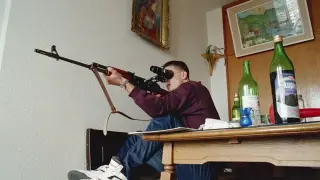
A Croatian journalist’s book and prior reports allege that wealthy foreign visitors, including a member of European royalty, joined Sarajevo’s 1992–96 siege in “sniper safaris,” paying Serb handlers tens of thousands of marks to shoot civilians. The claims are based on documents and interviews, with routes allegedly traced from Croatia and Belgrade to the city. Investigations were opened in Italy in 2025, and U.S. political figures have voiced inquiries; by February 2026 an elderly Italian truck driver was reportedly being investigated as a suspect. The allegations remain controversial and unproven, though they have kept the wartime atrocity story in public discussion.
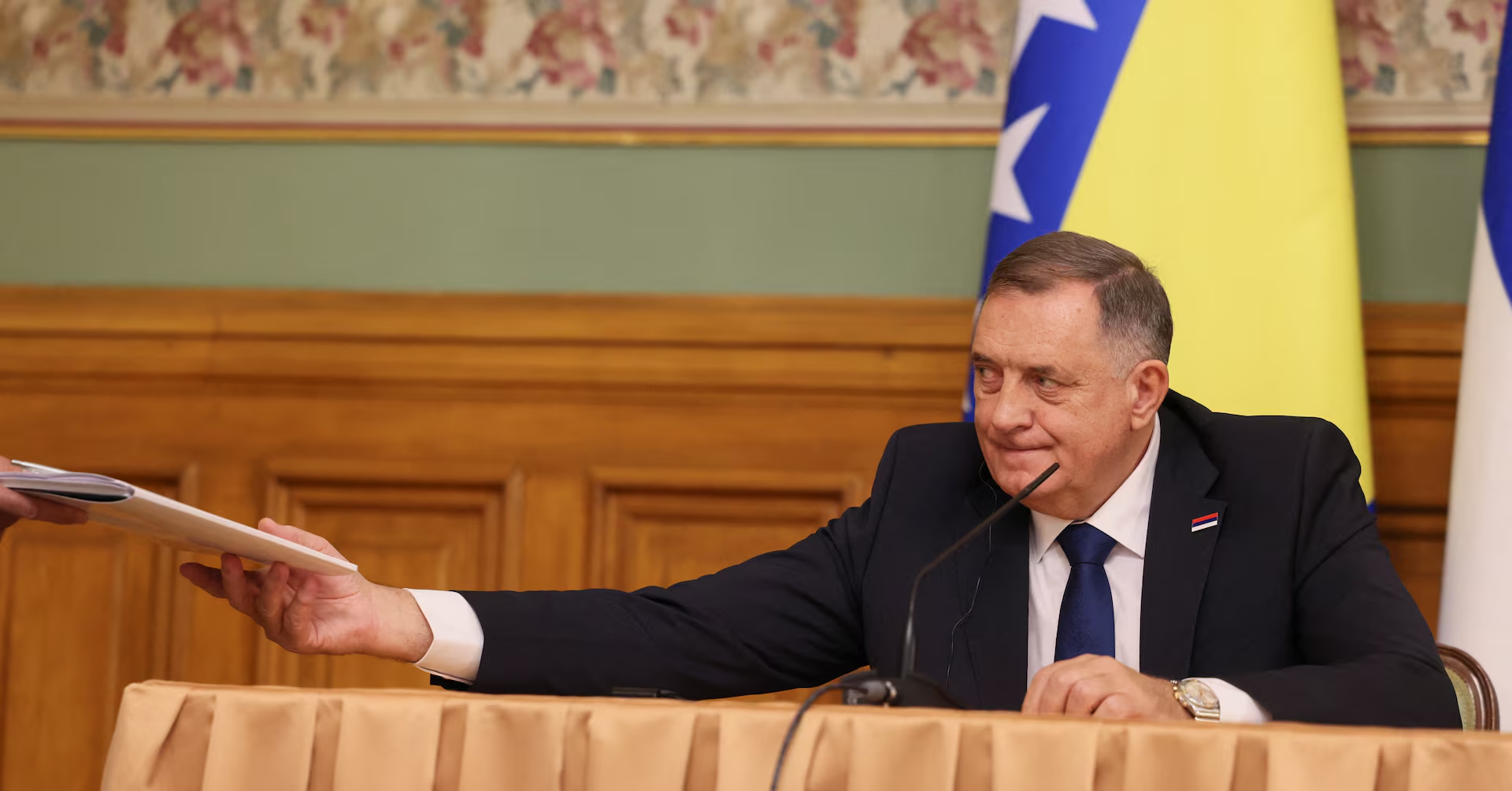
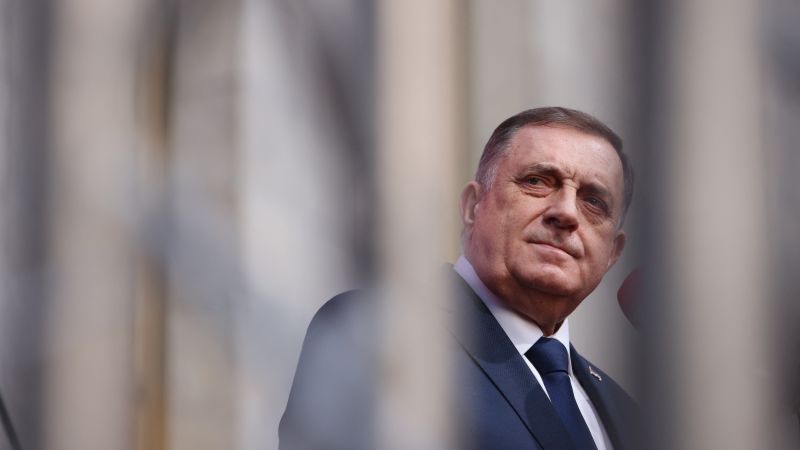
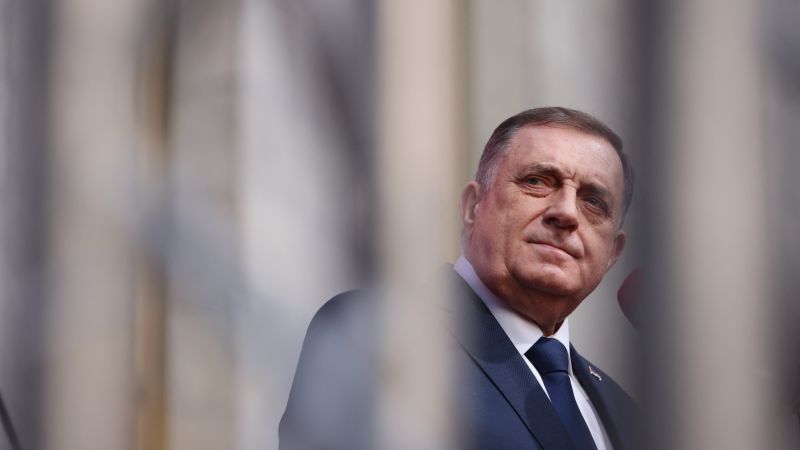
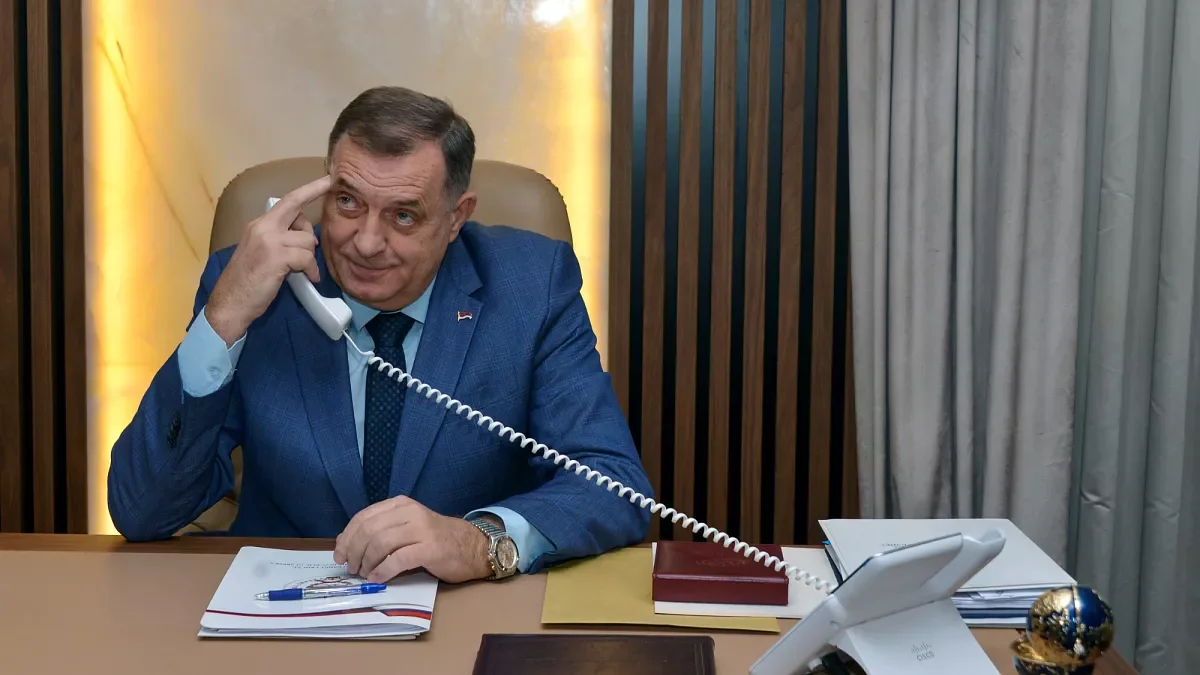
The parliament of Bosnia's Serb Republic appointed Ana Trisic Babic as interim president following Milorad Dodik's removal from office due to a court ban, with Dodik continuing to pursue secessionist goals despite stepping down. The move was welcomed by the U.S., which also lifted sanctions on some of Dodik's allies, amid ongoing tensions over Bosnia's stability.
Slovenia has banned Bosnian Serb leader Milorad Dodik from entering the country due to his refusal to step down from his position and his pro-Russian stance, amid concerns over his policies undermining peace in Bosnia and potential regional instability.
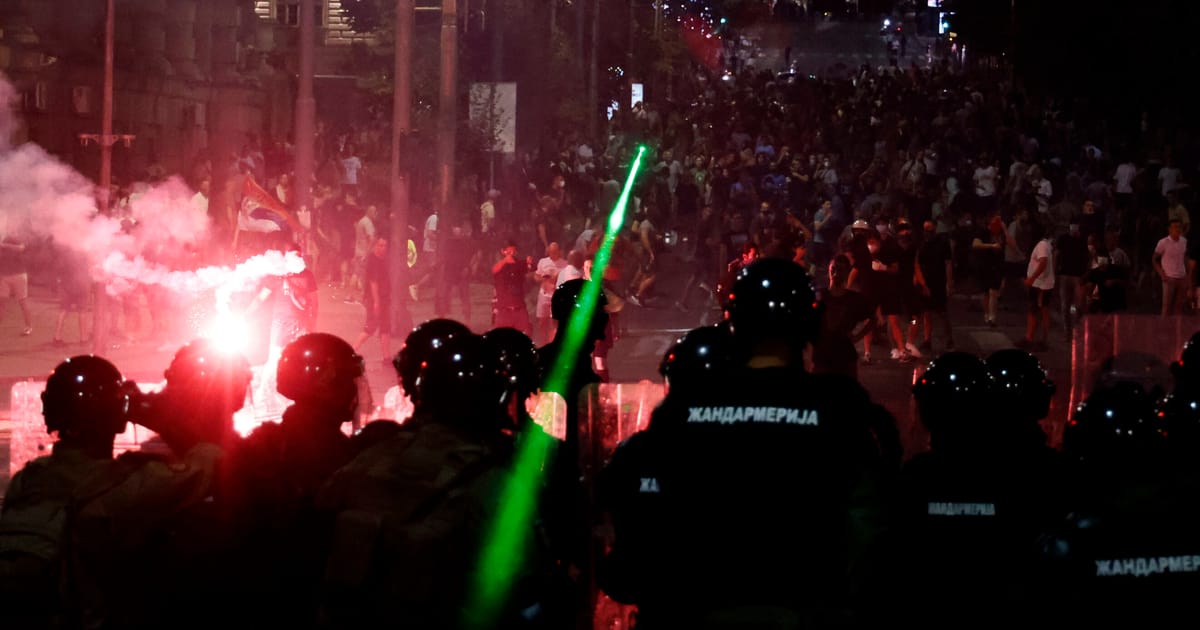
Serbian protests against President Vučić have escalated, with widespread fury and demands for change amid political turmoil in the Balkans, including the potential removal of Bosnian nationalist Milorad Dodik from office and regional tensions involving Iran and Albania.
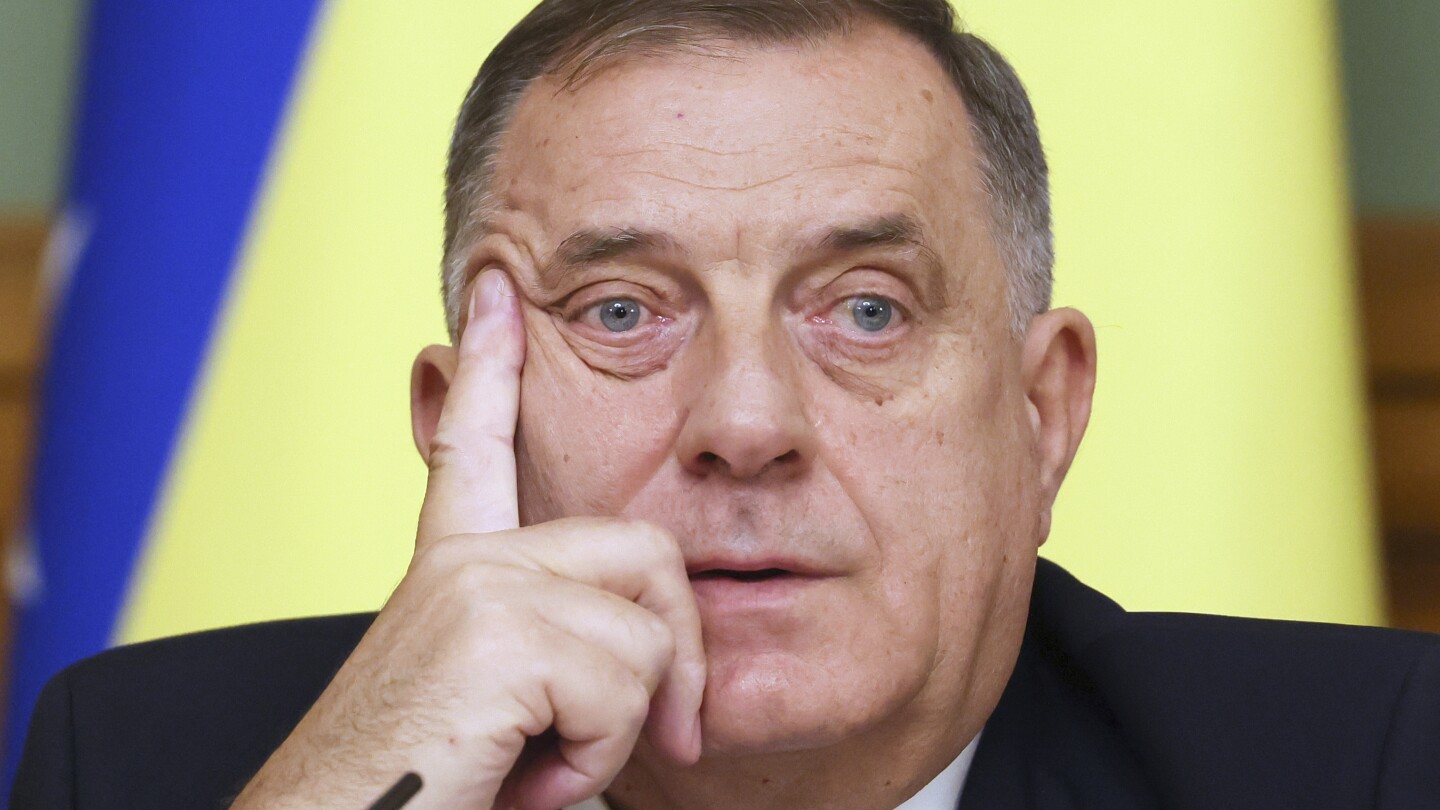
Milorad Dodik, a key nationalist leader in Bosnia's Republika Srpska, faces removal from office after a court upheld his prison sentence, challenging his longstanding efforts to weaken Bosnia's institutions and threatening potential unrest amid international concerns over regional stability.
Milorad Dodik, a key nationalist leader in Bosnia's Serb-majority Republika Srpska, faces removal from office after a court upheld his prison sentence, challenging his long-standing efforts to weaken Bosnia's institutions and threaten secession, with potential regional destabilization and international repercussions.
Bosnian Serb leader Milorad Dodik was stripped of his presidency after a court upheld a six-year political ban, leading to a political crisis and calls for snap elections, with Dodik vowing to contest the decision and rally support amid international reactions.
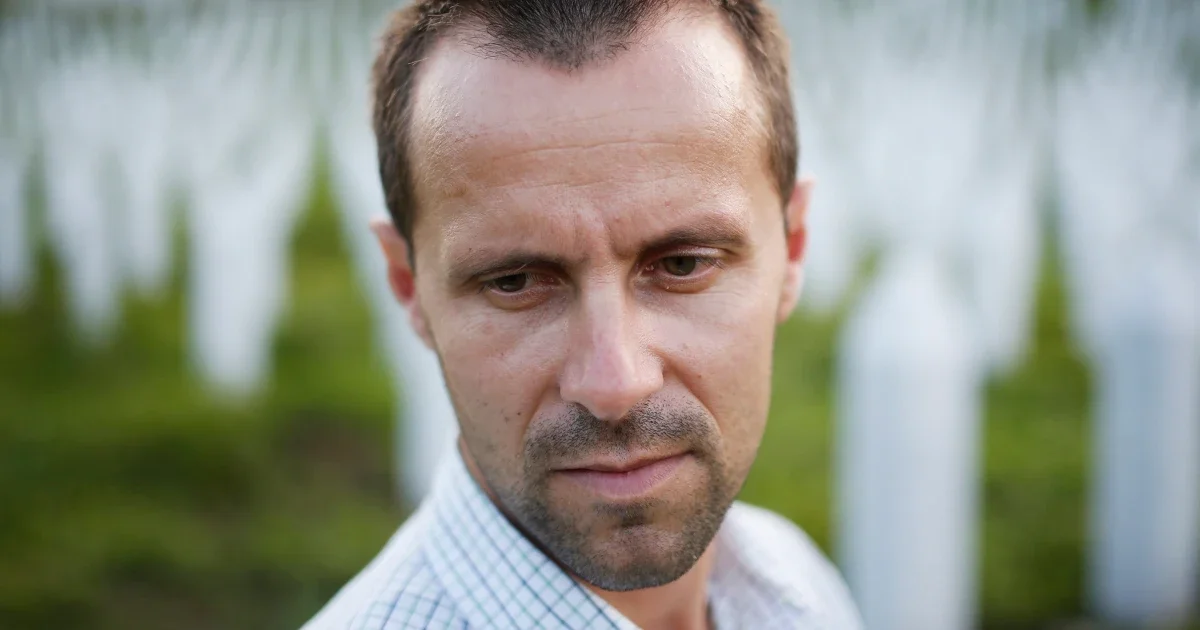
Nedzad Avdic, a survivor of the 1995 Srebrenica massacre, continues to speak out against denialism and disinformation about war crimes, amid rising far-right nationalism and conspiracy theories that threaten historical truth and reconciliation. Despite personal risks, he remains committed to honoring the victims and promoting awareness of the genocide, as global disinformation campaigns and political gains by far-right groups challenge the acknowledgment of past atrocities.
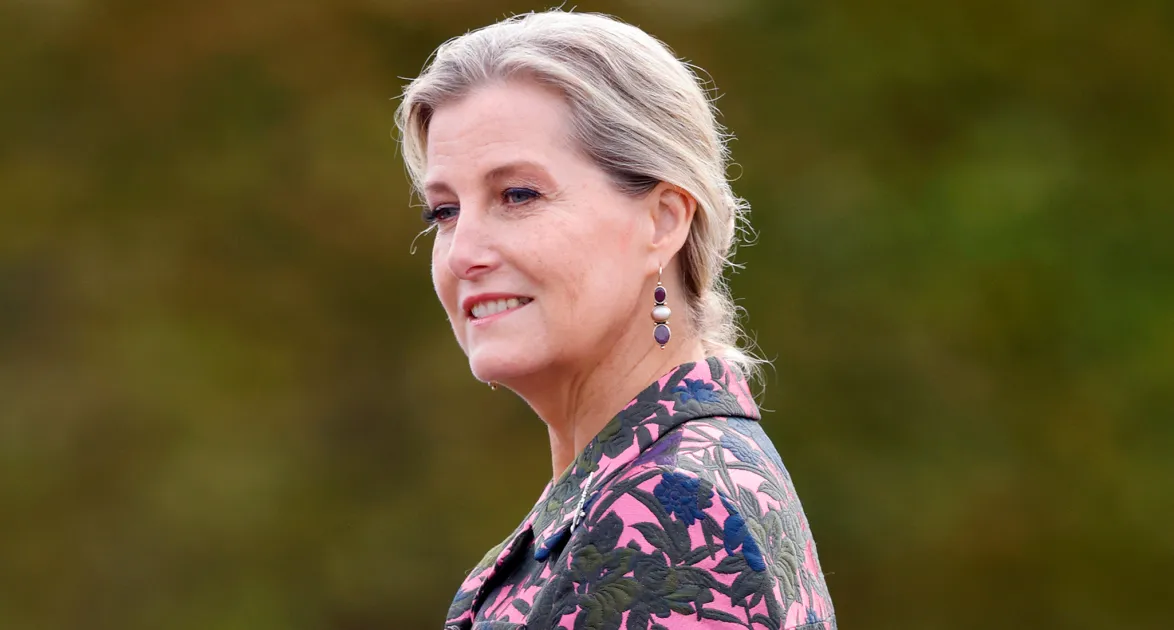
Duchess Sophie of Edinburgh visited Bosnia to commemorate the 30th anniversary of the Srebrenica Genocide, sharing powerful photos and messages emphasizing remembrance, learning from the past, and promoting peace, while meeting survivors and offering comfort.
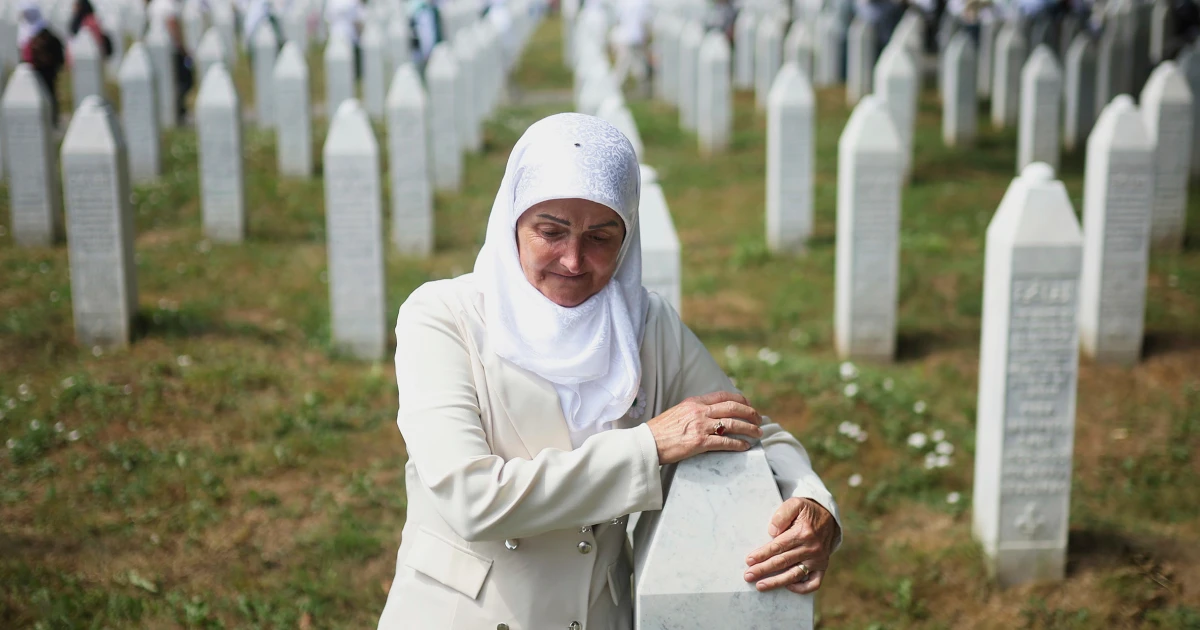
Thousands gathered in Srebrenica to commemorate the 30th anniversary of the 1995 massacre, where over 8,000 Bosniak men and boys were killed in Europe's only acknowledged genocide since WWII. The event included a collective funeral for newly identified victims and highlighted ongoing efforts to identify and bury remains from mass graves, amid continued denial of the genocide by some political leaders.
The article reflects on the 1995 Srebrenica massacre, where 8,000 Muslim men and boys were killed despite the town being a UN-protected 'safe area,' highlighting the failures of international intervention and the enduring scars of the Bosnian War, with lessons on the dangers of nationalism and the importance of timely action.
The article reflects on the 1995 Srebrenica massacre, where 8,000 Muslim men and boys were killed despite the town being a UN-protected 'safe area,' highlighting the failures of Western intervention and the lasting trauma and lessons from the Bosnian War.
A major power blackout hit Montenegro, Bosnia, Albania, and Croatia's Adriatic coast amid a severe heat wave with temperatures nearing 104°F. The outage, caused by a malfunction of an interconnector in Montenegro, left almost the entire country of Montenegro and significant parts of Bosnia and Croatia without electricity. Efforts are underway to restore power, with Croatian authorities analyzing the disturbance and ramping up production capacities.
Serbia's harsh reaction to the UN resolution commemorating the 1995 Srebrenica genocide stems from its perception of the resolution as part of a broader Western political offensive against Serbia. The Serbian government fears the resolution could be misused to implicate the Serbian nation and the Republika Srpska in the genocide, despite the resolution's text not attributing collective responsibility. The issue is further complicated by Serbia's strained relations with the EU and the US, its stance on the Ukraine war, and ongoing regional tensions involving Bosnia and Kosovo.