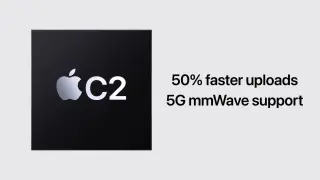
TechInsights’ teardown confirms the US-spec iPhone 18 Pro Max uses Qualcomm’s Snapdragon X80 modem, while non-US models use Apple’s C2; the reason is likely contractual, and the device still supports mmWave 5G.
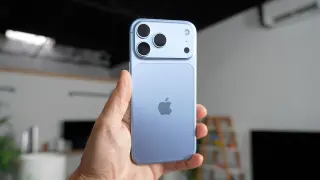
MacRumors’ hands-on with the iPhone 18 Pro/Pro Max reveals a heavier build, a uniform glass-to-frame Glacier color, a new 2nm A20 Pro chip with expanded vapor-chamber cooling, and a smaller Dynamic Island thanks to an under-display infrared camera; the camera gains a variable-aperture main lens with Pro Controls and a histogram, plus four aperture settings that help in varying light. US models use a new C2 modem with mmWave 5G, while other regions stick with Qualcomm. Battery life is rated up to 36 hours for the 18 Pro and 45 hours for the 18 Pro Max, with pricing starting at $1,199 and launch on September 18.
Apple updated its specs to reveal a modem split: the iPhone 18 Pro uses the C2 modem worldwide, while the iPhone 18 Pro Max sold in the U.S. reportedly uses a Qualcomm modem (likely Snapdragon X85). Apple hasn’t explained the reason for the difference, and real-world tests in the coming weeks should show how the two modems compare in performance and efficiency.
Apple introduced the iPhone 18 Pro and its first foldable iPhone, the iPhone Duo, both using Apple’s in‑house C2 5G modem. Apple touts C2’s AI-assisted cellular quality and mmWave support in the U.S., with the iPhone 18 Pro starting at $1,199, the Pro Max at $1,299, and the iPhone Duo at $1,999. Pre-orders begin Sept 12 for the Pro models and Oct 16 for the Duo, with Duo availability from Oct 23. Note that the Pro Max reportedly uses a Qualcomm modem, and Apple’s specs show C2 in the Pro (and Duo) but not a confirmed inclusion in all models; US mmWave bands include n258/260/261, while UK models list sub-6GHz only. The devices also include Apple’s N1 chip for Wi‑Fi 7, Bluetooth 6, and Thread.
Apple’s foldable iPhone Ultra is expected to debut around $2,000–$2,500 but is said to drop several flagship features: Face ID/TrueDepth may be replaced by a Touch ID side button with an under‑display selfie camera, there’s likely no dedicated Telephoto/third rear camera, no Action button, no physical SIM card slot (eSIM‑only in many markets), and possibly no mmWave 5G depending on the C2 modem. MagSafe may still be included. The design is said to resemble the iPhone Air, and Apple will announce it alongside iPhone 18 Pro models at the September event, though these compromises could spark debate among buyers.
A ransomware leak from Tata Electronics reportedly shows US iPhone 18 Pro models using Qualcomm modems with mmWave support, while international models would use Apple’s in-house C2 modem, signaling a market-based split rather than a full transition. AppleInsider corroborates the authenticity of key documents, and analysts note tradeoffs between faster mmWave speeds and battery life, as well as carrier economics driving the split.
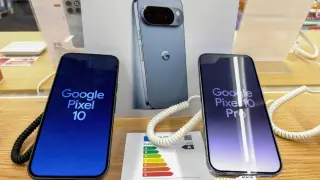
Google’s Pixel 10 series splits hardware by region: US models ditch the physical SIM slot in favor of eSIM to accommodate mmWave 5G components, while international versions retain a SIM tray because they don’t require mmWave. Google cites that about 70% of US Pixel owners already use eSIM, and the cleaner design without a SIM slot or mmWave antenna cutout also frees space for a larger battery or other features.