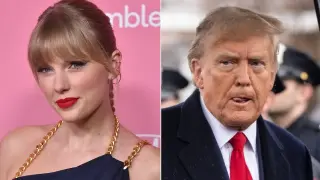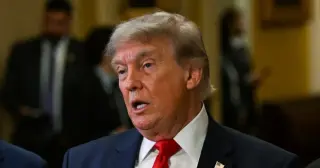
Leonard Cohen’s estate has publicly objected to Donald Trump planning to use Hallelujah at a Freedom 250 rally in Washington, saying the use is not authorized, adding to a pattern of artists’ estates pushing back against Trump’s use of their music.
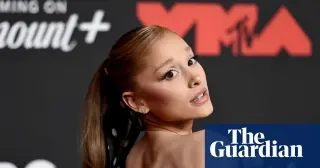
Ariana Grande condemned the White House for using her 2024 song ‘Bye’ in a video about immigrant detentions, prompting its removal; she joins other artists criticizing the administration’s practice of leveraging music for political messaging. Grande is also prepping her eighth studio album Petal, whose lead single ‘Hate That I Made You Love Me’ is topping global streams.
Ariana Grande asked the White House to stop using her song 'Bye' in a TikTok promoting immigration policies, calling the move barbaric and inhumane; after she commented, the video’s audio was muted and her comment removed, joining other artists who oppose leveraging their music in political messaging.
Boards of Canada say the White House used their music without permission, ahead of the duo's new album Inferno released this week; the piece notes other artists whose work has been used by politicians—such as Sinéad O'Connor's estate and Isaac Hayes—leading to ongoing debates about music rights and the use of walk-on music at rallies.
Sony Music Publishing has agreed to acquire Recognition Music Group's complete catalog from Blackstone, a portfolio of more than 45,000 songs, in a deal Bloomberg estimates at roughly $3.5–$4 billion. The acquisition, made by SMP with Sony Music Group and Singapore's GIC (plus Sony Bank), will bring iconic tracks like Don't Stop Believin', Umbrella, Bad Romance and Hallelujah under SMP's governance. The deal, subject to closing conditions, marks SMP's third major purchase of Hipgnosis assets and the largest to date, following Blackstone's consolidation of Hipgnosis and earlier purchases this year. Executives Rob Stringer and Jon Platt emphasized the long-term value of these catalogues.
At Coachella, Bieber performed snippets of his older songs via YouTube clips on stage, but claims that selling his music catalog blocks him from performing those songs are incorrect. Experts say public-performance rights licensed by PROs cover live shows, and there’s no restriction in his deal with Recognition Music Group. The catalog sale shifts publishing and master rights, not live-performance rights, and could even boost streams of the original tracks.
PRS for Music has launched legal proceedings against Valve under the UK Copyright, Designs and Patents Act 1988 for using PRS-represented music in Steam games without a licence. The organisation says Valve has not obtained the necessary licences for works used in titles including GTA, FIFA/EA FC, and Forza Horizon, despite years of engagement, and it seeks retroactive and ongoing licences as the case proceeds.
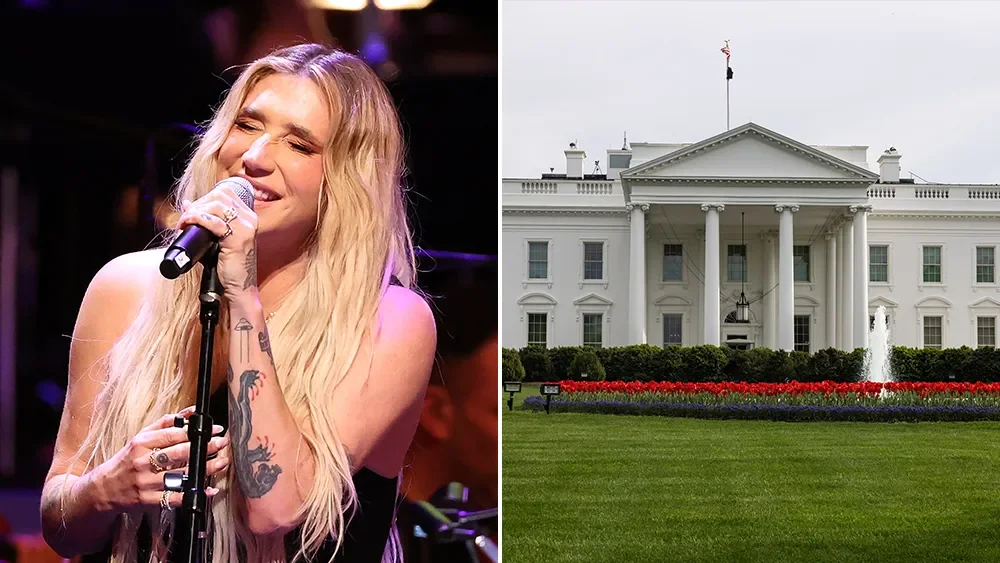
The White House mocked Kesha after she condemned the use of her song 'Blow' in a February military TikTok video, prompting Kesha to respond, 'Stop using my music, perverts.' The incident adds to a broader pushback by artists against political figures using their music and underscores ongoing copyright and licensing tensions in government material.
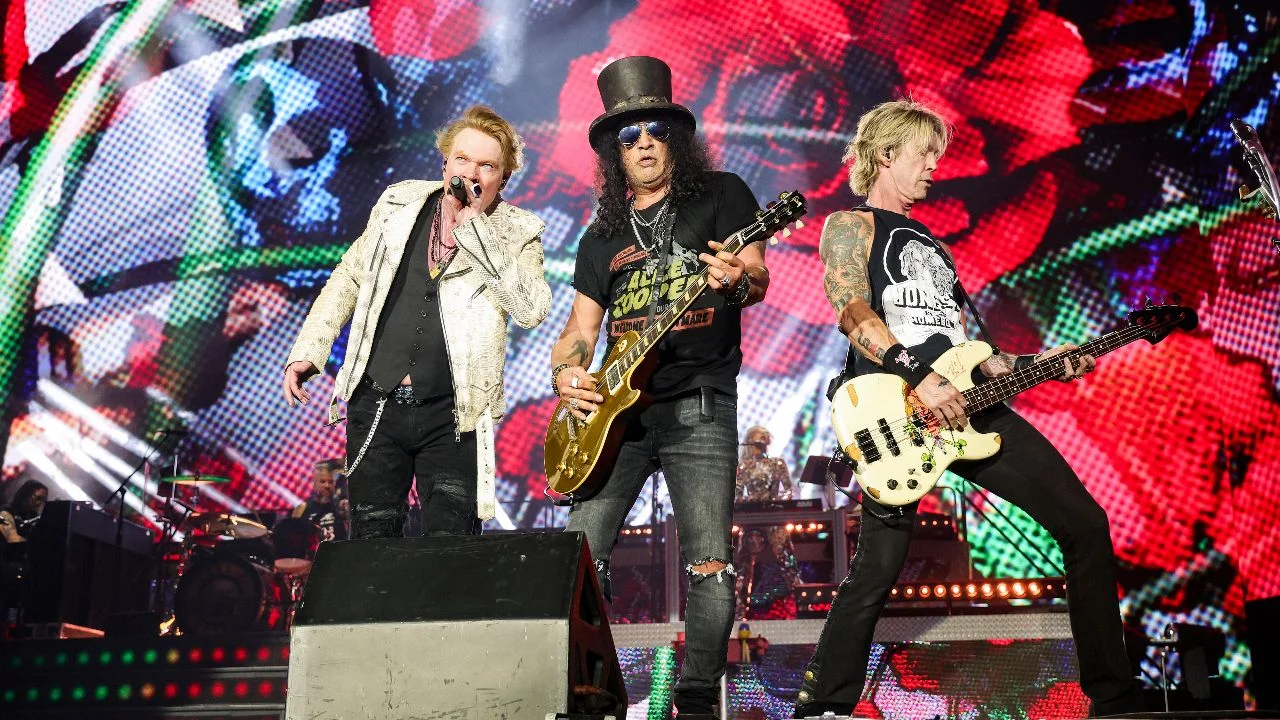
Producers of the Melania Trump documentary named artists who refused clearance for the film’s soundtrack, including Guns N’ Roses (one member approved, another declined due to political differences), Prince (estate blocked a track), and Jonny Greenwood’s Phantom Thread score (blocked after lack of consultation). Mick Jagger reportedly approved The Rolling Stones’ Gimme Shelter. The producer stresses the refusals were about personal politics, not the film’s stance, highlighting ongoing clearance hurdles.
US figure skater Amber Glenn resolved a brief copyright concern after performing to Seb McKinnon’s track The Return in the Olympic team event, calling it a misunderstanding and signaling potential future collaboration. The episode underscores ongoing, sometimes opaque music-licensing challenges as figure skating shifts toward contemporary soundtracks. A similar recent issue with another skater also highlighted licensing complexities. Glenn remains focused on the women’s singles short program on Feb. 17 and continues to advocate for LGBTQ+ visibility.
Spanish skater Tomàs-Llorenç Guarino Sabaté will perform a Minions-themed short program at the 2026 Winter Olympics after an initial copyright denial was reversed, marking a rare public shift in figure-skating music rights prompted by viral support; the move follows the 2022 Heavy Young Heathens copyright lawsuit that spurred a centralized licensing path via ClicknClear, though two musical elements remain under review and cross-country licensing remains complex.
Spain’s Tomas-Llorenc Guarino Sabate faces a Minions-themed music dispute that underscores ongoing music-licensing challenges for figure skaters at the Milano-Cortina 2026 Olympics.
Sabate, a six-time Spanish champion making his Milan 2026 Olympic debut, may have to alter his short program after the Minions-themed music he used reportedly lacks clearance. He submitted the track via the ISU’s ClicknClear system in August and could switch to Bee Gees tunes, though that could complicate his free skate. The ISU says it’s aware of the issue and is coordinating with rights holders to allow music for performances at Milan starting February 10.
Pop star Sabrina Carpenter criticized the White House for using her song 'Juno' in a social media video that depicted immigration enforcement negatively, calling it 'evil and disgusting,' and condemning its use to promote inhumane policies. The White House responded defensively, and this incident is part of a broader pattern of government agencies using copyrighted music and content without permission, often leading to public backlash and legal concerns.
Kenny Loggins has publicly objected to the use of his song 'Danger Zone' in an AI-generated video of Donald Trump on Truth Social, criticizing its association with divisive content and calling for its removal. The incident highlights ongoing issues with political figures using copyrighted music without permission, amid protests and political rallies.