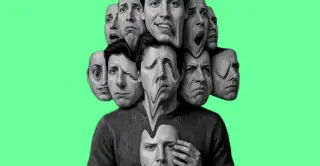
The Verge analyzes The New Yorker’s use of an AI-generated portrait of Sam Altman, exploring how AI imagery challenges editorial illustration, the artist’s workflow, and copyright concerns, while discussing the broader debate over AI’s role in prestigious publications.
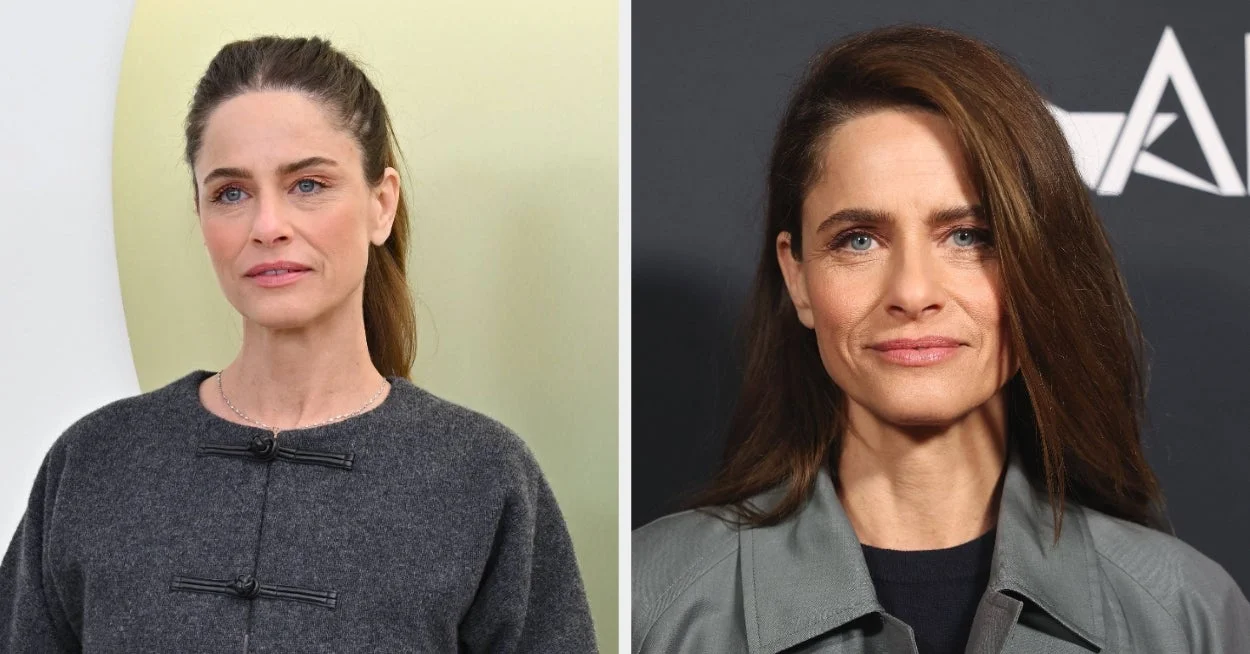
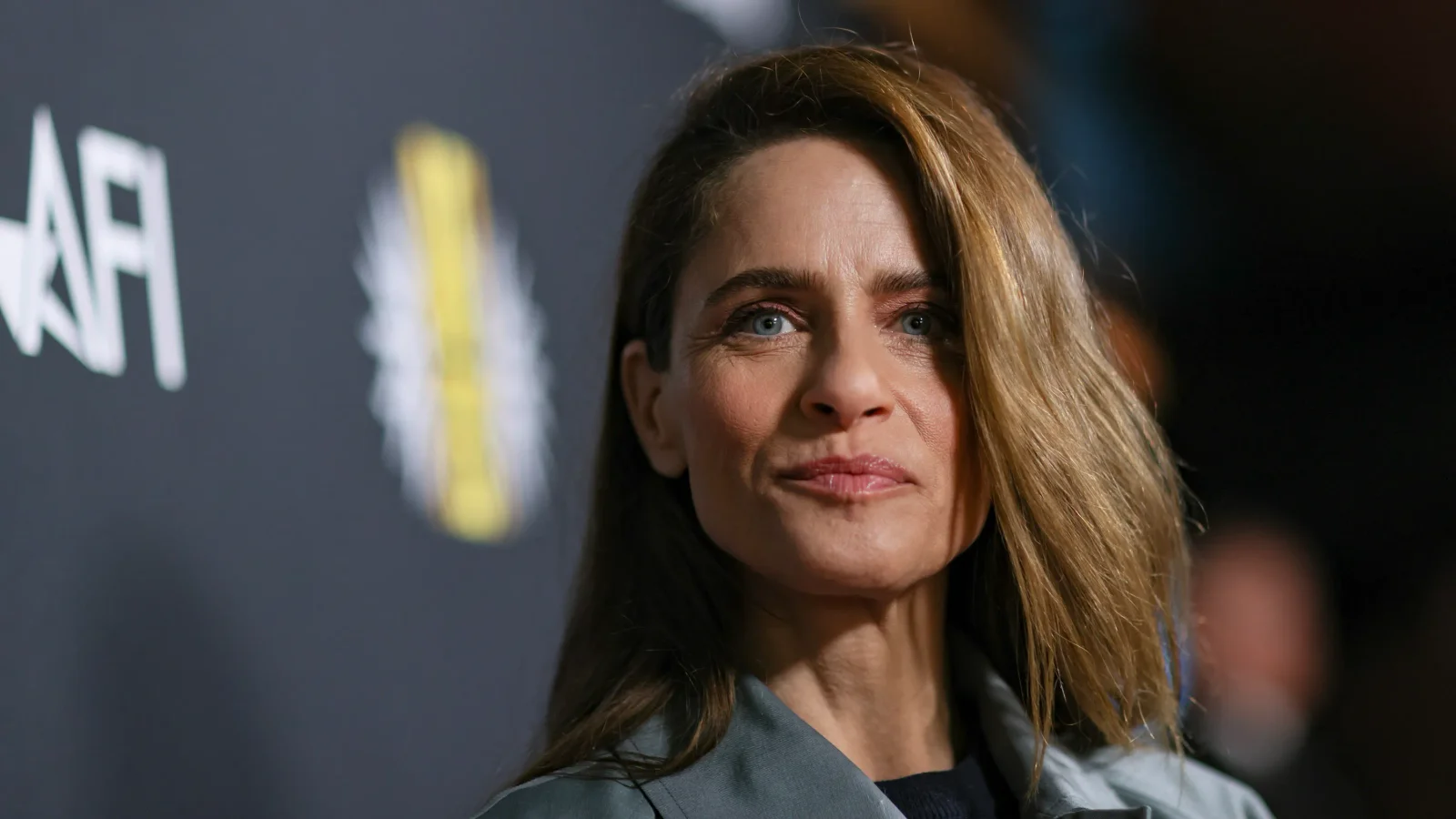
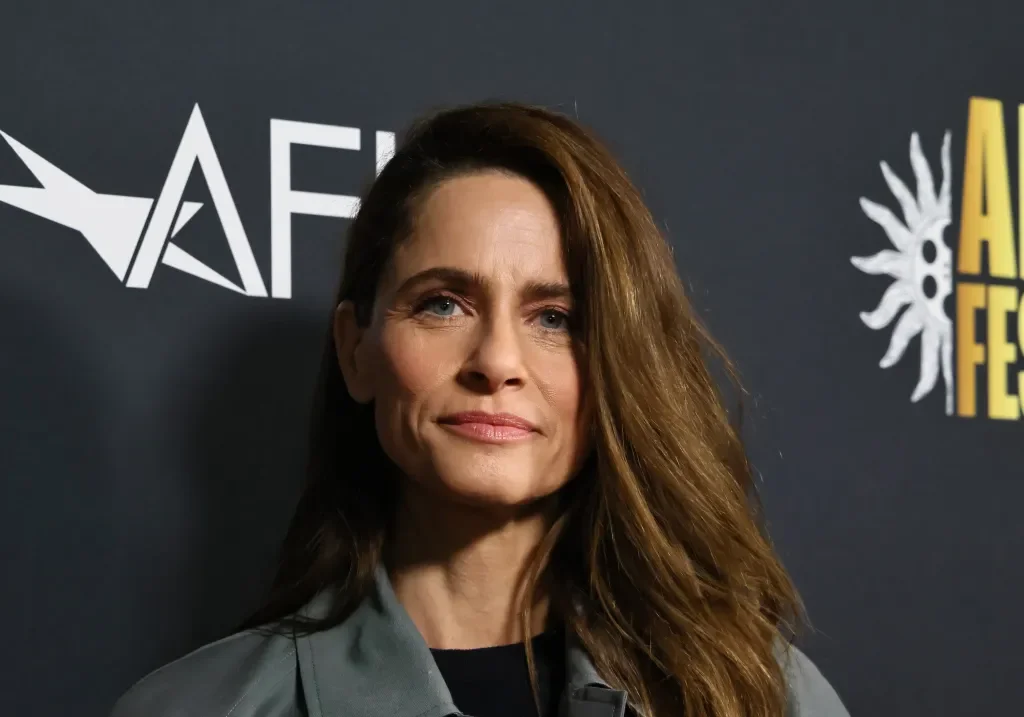
Actress Amanda Peet reveals in a New Yorker essay that she was diagnosed with breast cancer, detailing the discovery process, a lumpectomy and radiation plan, and the emotional context of her mother’s hospice care and her father’s death, sharing a candid portrait of fear, resilience, and family.
In a New Yorker essay, Amanda Peet details a breast cancer diagnosis (Stage I, not requiring chemotherapy), the discovery of a second benign tumor treated with lumpectomy and radiation, and the concurrent losses of both parents in hospice on opposite coasts—her father dying over Labor Day and her mother’s decline with Parkinson’s. She describes telling her three children and navigating difficult conversations while coping with grief and the impulse to stay strong.
Actress Amanda Peet reveals in a New Yorker essay that she was diagnosed with hormone-receptor-positive, HER2-negative breast cancer (Stage I); after routine checkups and an ultrasound biopsy, an MRI confirmed a mass, with a second, benign lesion later discovered. She underwent a lumpectomy followed by radiation and describes the emotional toll while her parents were in hospice care on opposite coasts.
Mosab Abu Toha, a Palestinian poet who gained recognition after being published by the New Yorker, has been reportedly arrested by Israeli forces in Gaza. Abu Toha had recently returned to Gaza after completing his studies in the United States and had been writing about the dire situation in the region. The New Yorker has called for his safe return, while colleagues and activists express concern over his whereabouts. Abu Toha is known for his poetry and his efforts in establishing the only English-language library in Gaza. PEN America and other organizations are seeking more details and calling for his protection.
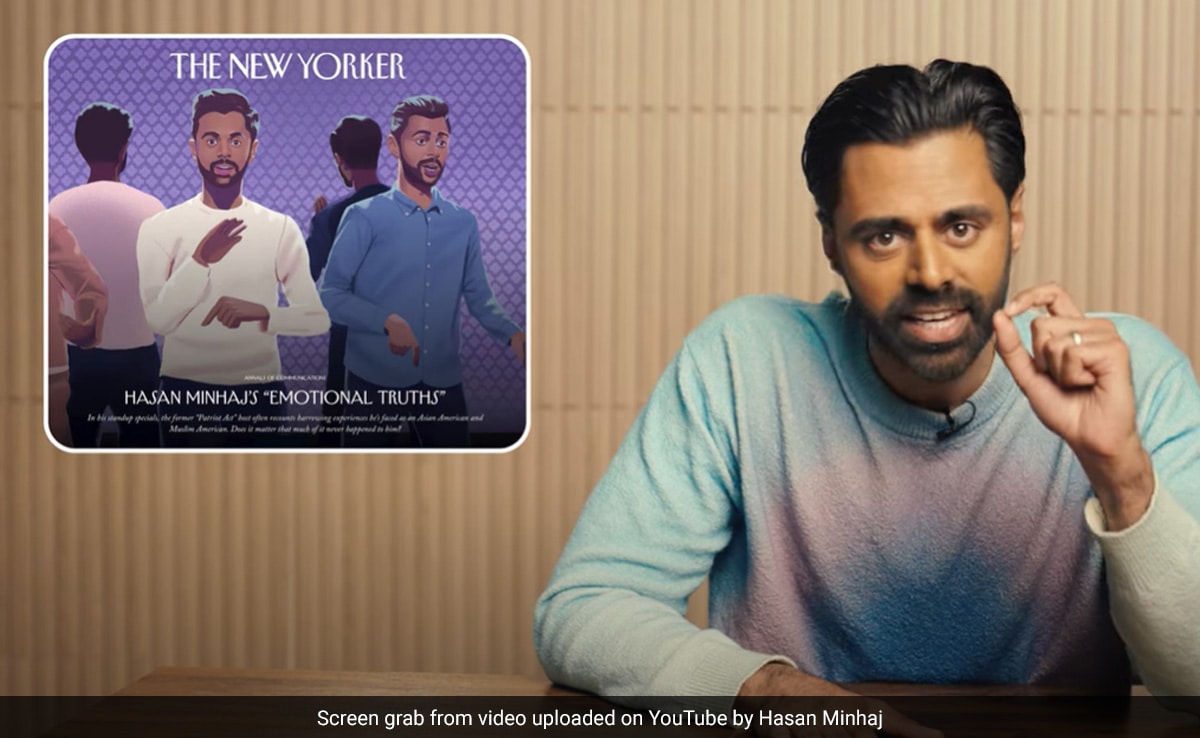
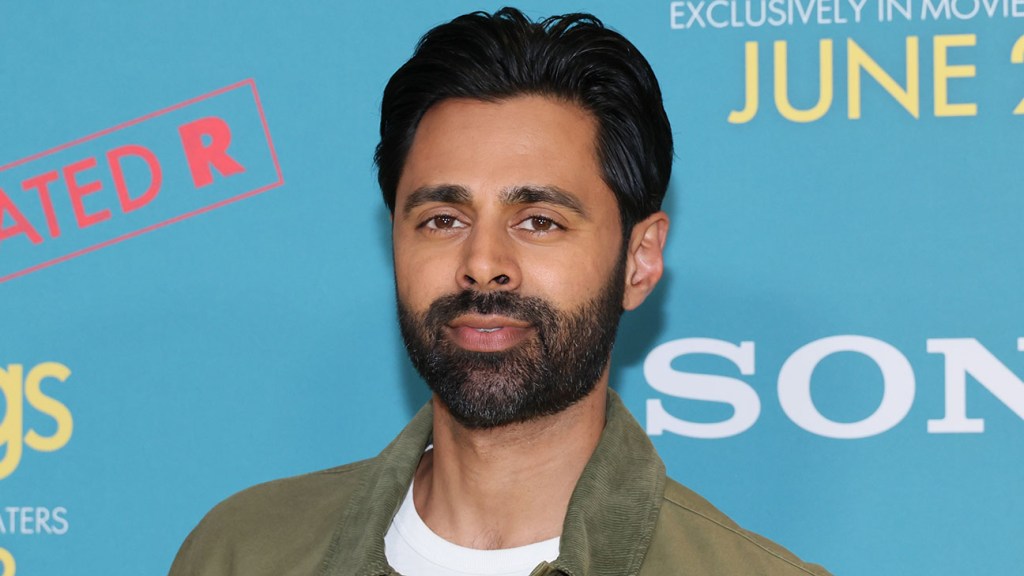
Comedian Hasan Minhaj responds to allegations of fabricating or exaggerating personal stories in his stand-up routine, particularly those related to his experiences as a Muslim American and an Asian American. In a 21-minute video, Minhaj counters the claims made in a New Yorker article, providing additional details and evidence for three stories that came under scrutiny. He apologizes to anyone who felt betrayed or hurt by his stand-up and explains that he made artistic choices to express himself and address larger issues affecting his community. Minhaj presents emails, text messages, and audio clips to support the authenticity of his stories.
Comedian Hasan Minhaj responds to allegations made in a New Yorker article, denying claims of fabrications in his stand-up routines. Minhaj apologizes to anyone who felt betrayed or hurt by his comedy, stating that he made artistic choices to address larger issues affecting him and his community. He disputes the way the article portrayed certain stories and asserts that racism, FBI surveillance, and threats to his family did occur. The New Yorker stands by their reporting, stating that their piece was carefully fact-checked and based on interviews with multiple sources. Minhaj vows to be more thoughtful about sticking to the facts in his storytelling going forward.
Comedian Hasan Minhaj has responded to accusations made in a New Yorker article that he told false stories in his stand-up routines. Minhaj argues that there is a distinction between his political comedy and the personal stories he tells on stage. In a 20-minute video, he addresses the claims made in the article, providing evidence to support his stories about racism, FBI surveillance, and threats to his family. While some comedians have defended Minhaj's approach, others have criticized him for potentially lying about real people and events. The New Yorker stands by its story, stating that it was carefully reported and fact-checked.
Comedian Hasan Minhaj has responded to allegations made in a New Yorker profile that he fabricated or exaggerated elements of stories in his stand-up comedy. In a 20-minute video, Minhaj provides more context on three stories that drew scrutiny, addressing accusations of faking racism and Islamophobia. He admits to embellishing certain stories but defends his artistic choices, stating that his stand-up work allows for more artistic license compared to his political comedy. Minhaj also criticizes the New Yorker article for omitting important information and misleading readers. He apologizes to anyone who felt betrayed or hurt by his stand-up and hopes to move forward.