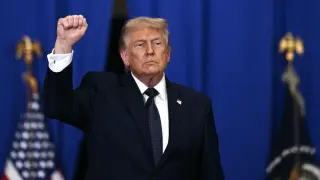
Former President Trump circulated bizarre AI-generated images aiming at Stephen Colbert, Greenland, and other targets, highlighting how AI imagery is entering political discourse and the risk of misinformation.
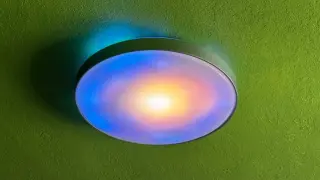
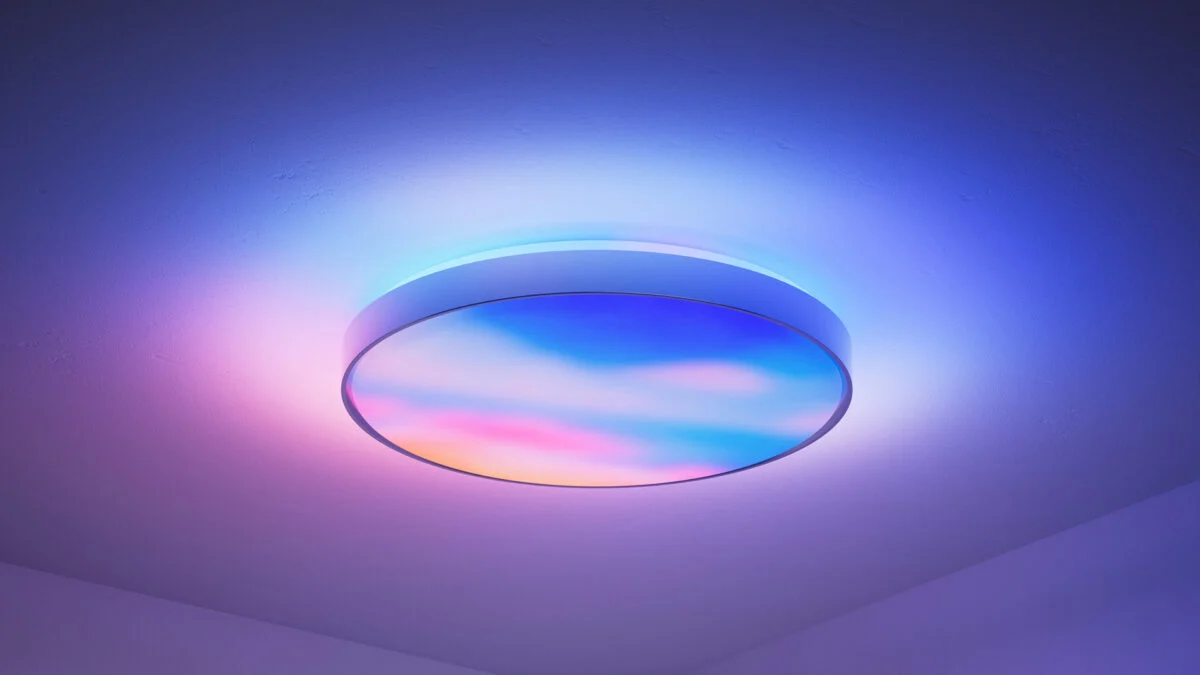
Gizmodo’s review praises the Govee Ceiling Light Ultra for bright white light and easy installation, and notes it’s Matter-compatible and solid for general lighting, but the AI-generated art looks blurry and the overall experience is hampered by choppy animations and a steep $250 price, especially when cheaper, better options like LIFX’s SuperColor are available.
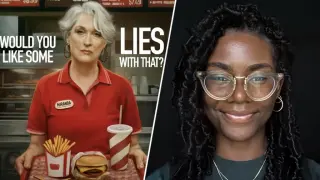
As The Devil Wears Prada 2 hits theaters, a meme styled to look AI-generated is revealed to have been created by human artist Alexis Franklin for the film, at director David Frankel's request. Fans celebrate the human touch amid AI concerns in the industry, Franklin says artists deserve recognition, and the movie continues with its ensemble cast (Streep, Hathaway, Blunt, Tucci) exploring a world where print media is fading.
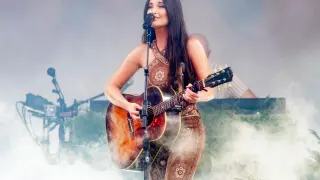
Kacey Musgraves hit back at Trump's AI Jesus meme by sharing an AI image that depicts Dolly Parton as a Christ-like savior healing the sick, posted on X with no caption, highlighting Parton's iconic status and the online backlash to AI-generated imagery.
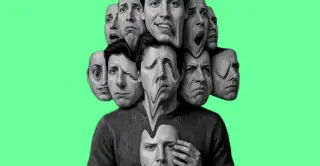
The Verge analyzes The New Yorker’s use of an AI-generated portrait of Sam Altman, exploring how AI imagery challenges editorial illustration, the artist’s workflow, and copyright concerns, while discussing the broader debate over AI’s role in prestigious publications.
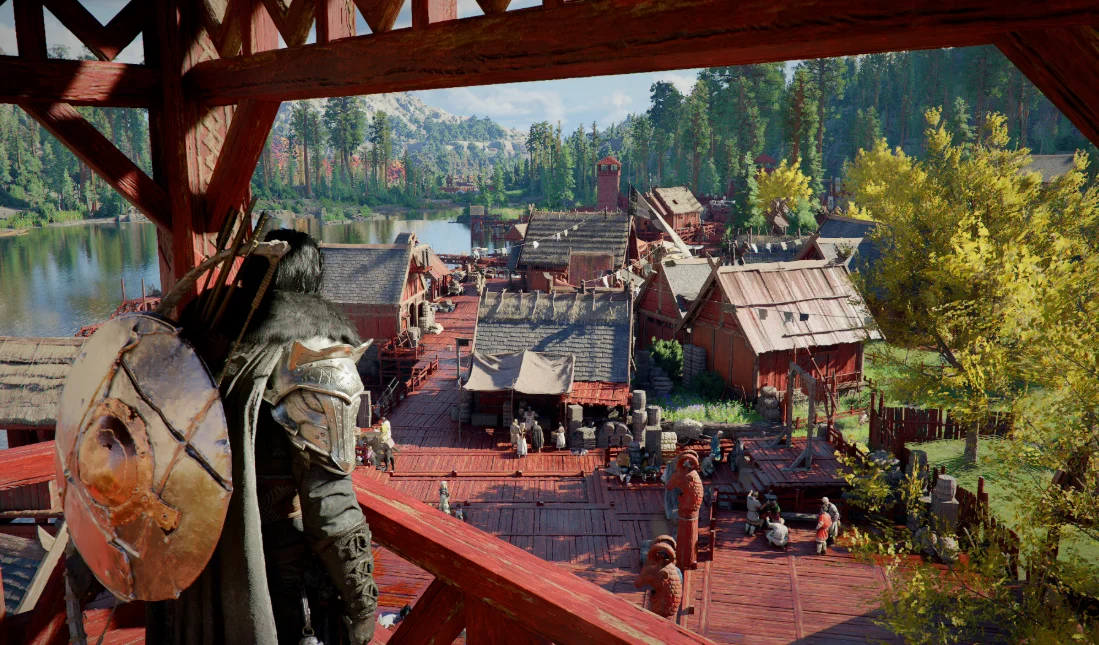
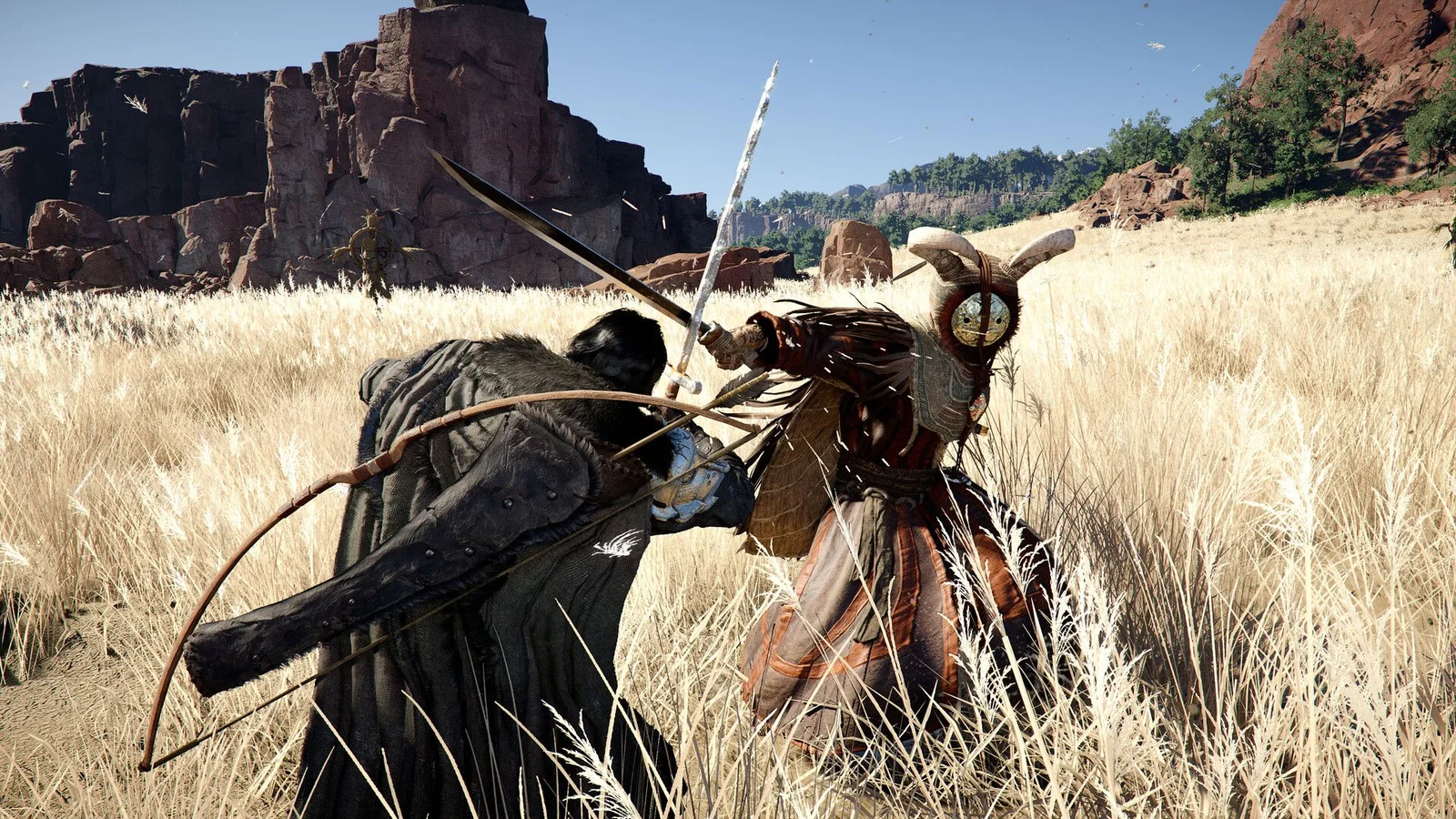
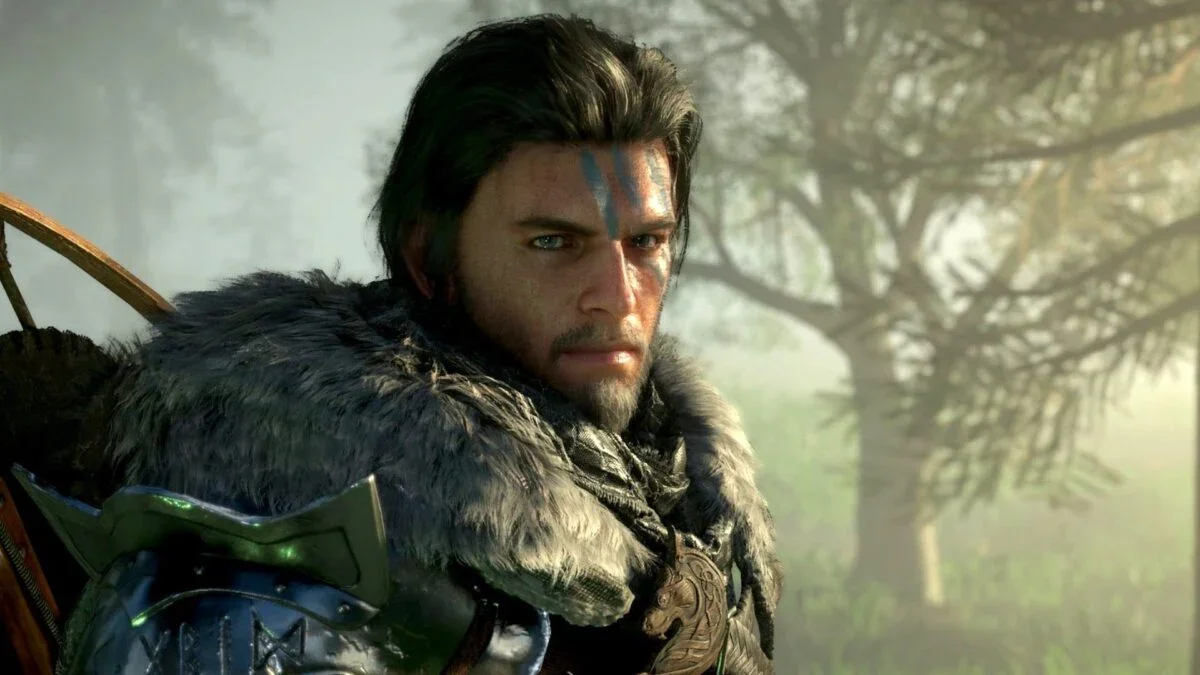
Pearl Abyss’s Crimson Desert update removes AI-generated art assets discovered at launch, replacing them with non-AI artwork and promising a comprehensive audit to align visuals with the game’s art direction. The studio admitted AI was used “primarily” in early production and apologized for the lack of transparency, noting the replacements include a painting with too many limbs. This follows similar controversies elsewhere and comes as Crimson Desert has sold over 3 million copies and recently set a Steam concurrency record.
Pearl Abyss’s Crimson Desert shipped with strong sales but is drawing fire for undeclared use of generative AI in some in‑game art. Critics point to AI-generated-looking paintings and question the game's authenticity and credibility, especially given its reported $130M budget and the lack of disclosure on Steam. Pearl Abyss hasn’t publicly responded, fueling a broader debate about AI art in video games.
Crimson Desert players are debating whether some in-game paintings are AI-generated or simply sloppy placeholders. Screenshots circulating online have sparked questions about AI usage and potential nondisclosure, with some players convinced by the art and others not; Pearl Abyss has not commented, and if AI is involved there could be a required disclosure or a patch to remove or fix the artwork.
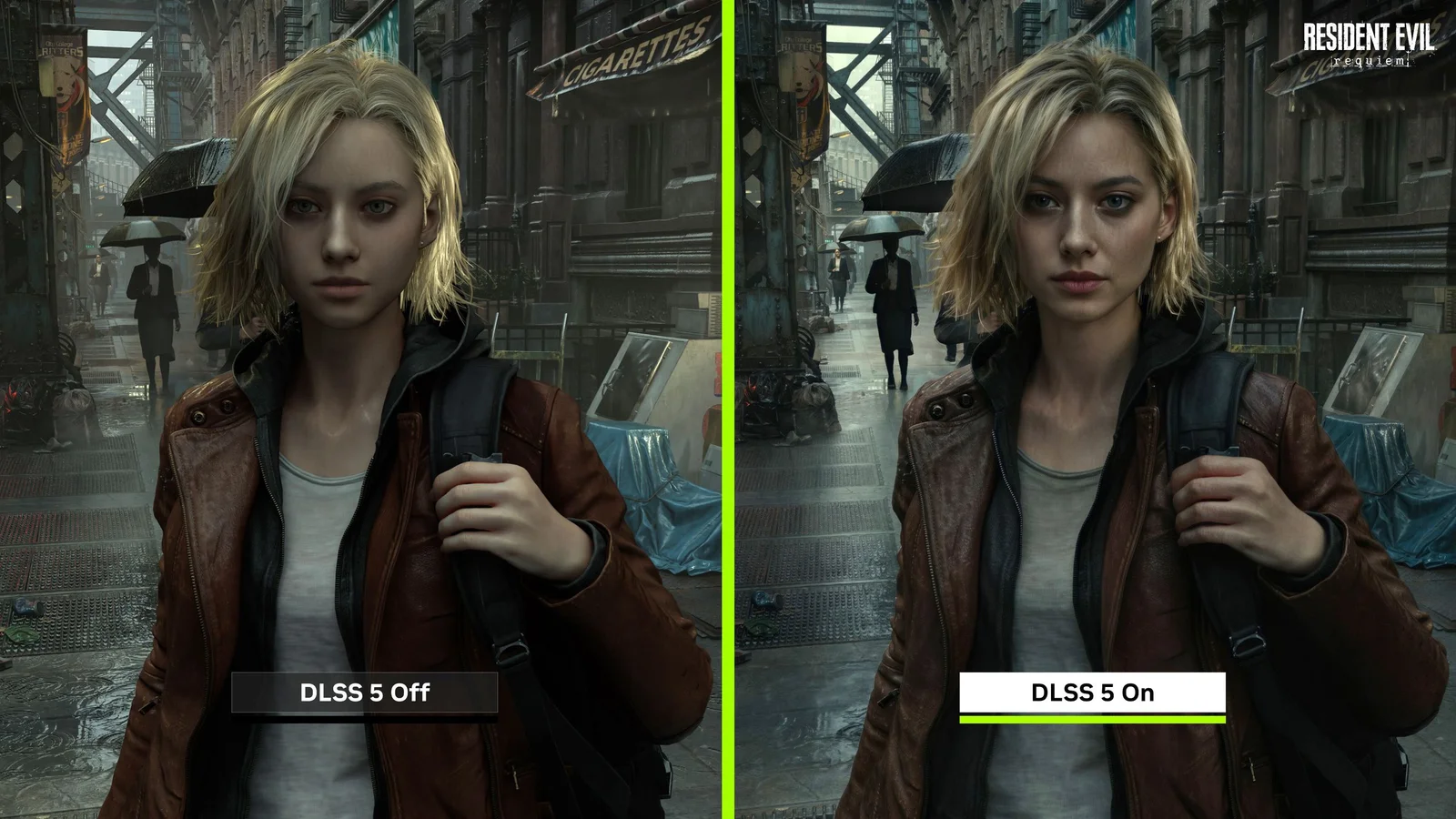
Nvidia unveiled DLSS 5, a neural rendering tech that fuses geometry and textures with generative AI to enhance visuals in real time, while promising artists' control. The reveal drew mixed reactions: Capcom staff reportedly were surprised and wary that AI could shift leadership views on game art; Bethesda emphasized that artists will remain in control and players can opt in; Ubisoft was also cited as learning of it alongside the public. Nvidia CEO Jensen Huang defended the approach against critics, suggesting concerns about AI art may shift in the industry as developers reassess AI’s role in game creation.
Govee announced new smart ceiling lights at CES 2026, including the Sky Ceiling Light that mimics daylight and the Ceiling Light Ultra capable of displaying detailed images and animations using AI and a high-density LED array, both compatible with Matter and controllable via Govee's app, though release details are pending.
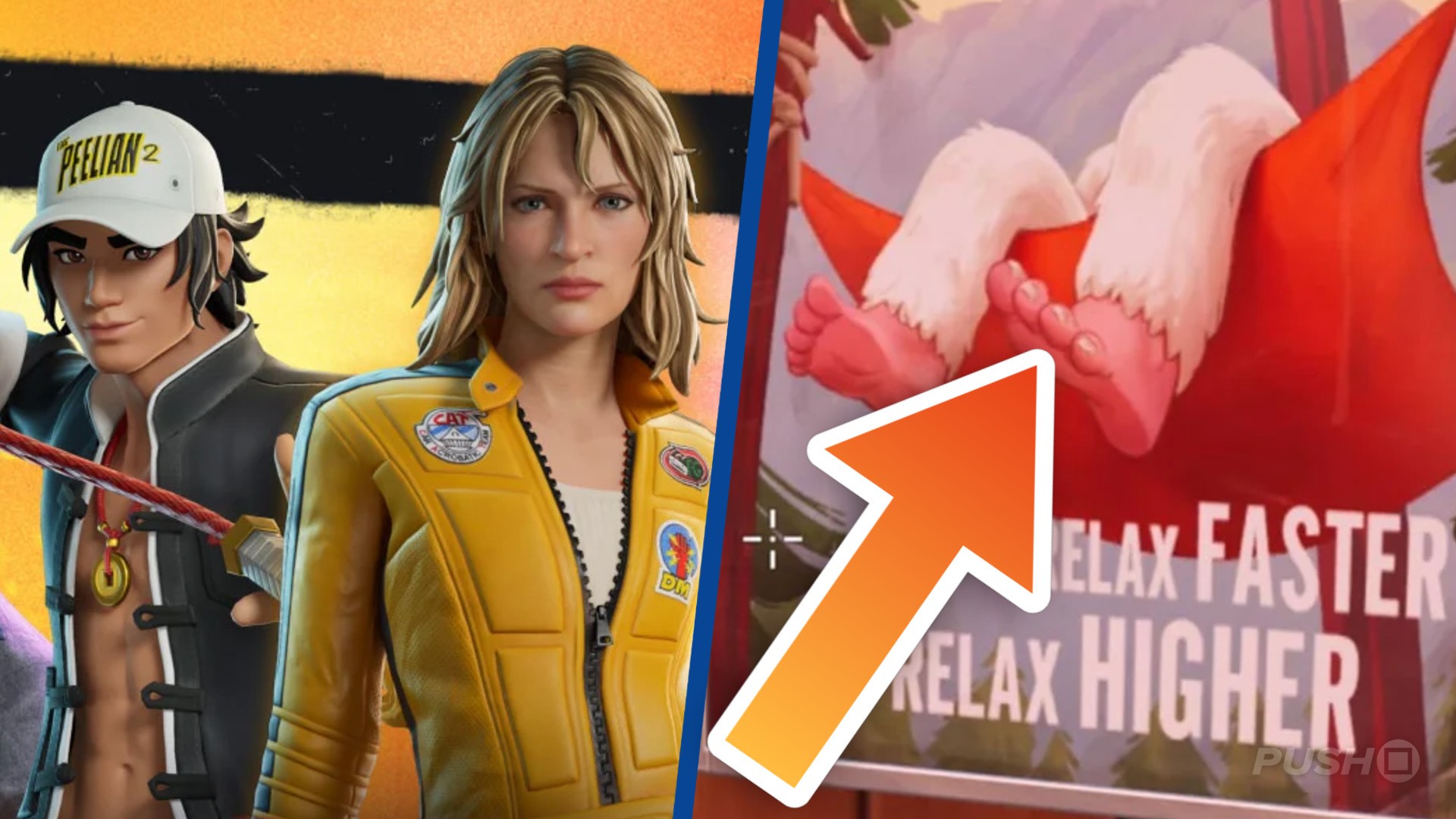
Fortnite is suspected of using AI-generated art for in-game posters and items, sparking debate among players and the community about AI's role in game development, with a significant majority opposing its use in video games.
Suno's latest AI music generator, Suno v5, shows notable technical improvements in audio clarity and instrument separation over previous versions, but it still produces music that feels soulless and lacks emotional depth, with a tendency to layer effects and harmonies regardless of user input.
Fans suspect Blizzard has used AI-generated art for promotional materials, sparking debate about the implications of AI in creative industries and concerns over the devaluation of human artistry.
A group of artists leaked OpenAI's unreleased Sora AI video generator, protesting against what they see as exploitative practices. They criticized OpenAI for using unpaid artists to test the tool under the guise of creative partnership, while offering minimal compensation. The artists, who support AI as a creative tool, argue that the early access program was more about PR than genuine artistic collaboration. OpenAI has since paused the Sora program, and the artists are advocating for more open and fair practices in AI development.
The developer of a digital card trading game, Champions TCG, claims to pay an AI artist $1,500 per hour for creating AI-generated images, justifying the cost by stating that the artist's work is faster and of higher quality than that of traditional artists. The company's CEO defended the high payment, stating that the AI artist's output would have cost more and taken longer if done by a team of traditional artists. The company's post sparked controversy, with some questioning the value of the AI-generated images, while others accused the company of seeking engagement.