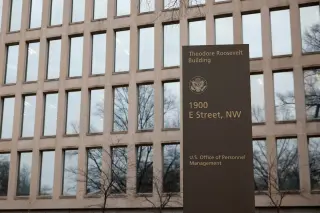
A federal judge in Washington, D.C. ruled the Defense Department’s updated press policy unconstitutional in a suit brought by The New York Times and reporter Julian E. Barnes, finding it violated First and Fifth Amendment protections and due process by threatening journalists’ access and credentials.
Google is conducting a small experiment to replace traditional search result headlines with AI-generated ones, following a similar move in Google Discover. The Verge observed several examples where headlines were altered, sometimes changing meaning. Google says the test aims to better match titles to user queries and engagement, but officials say it’s not a full rollout and details remain unclear. Newsrooms worry about trust and the impact on editorial branding as Google tweaks how headlines are presented.
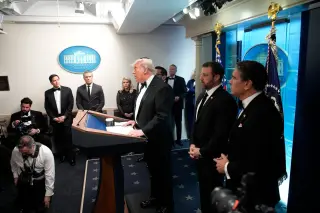
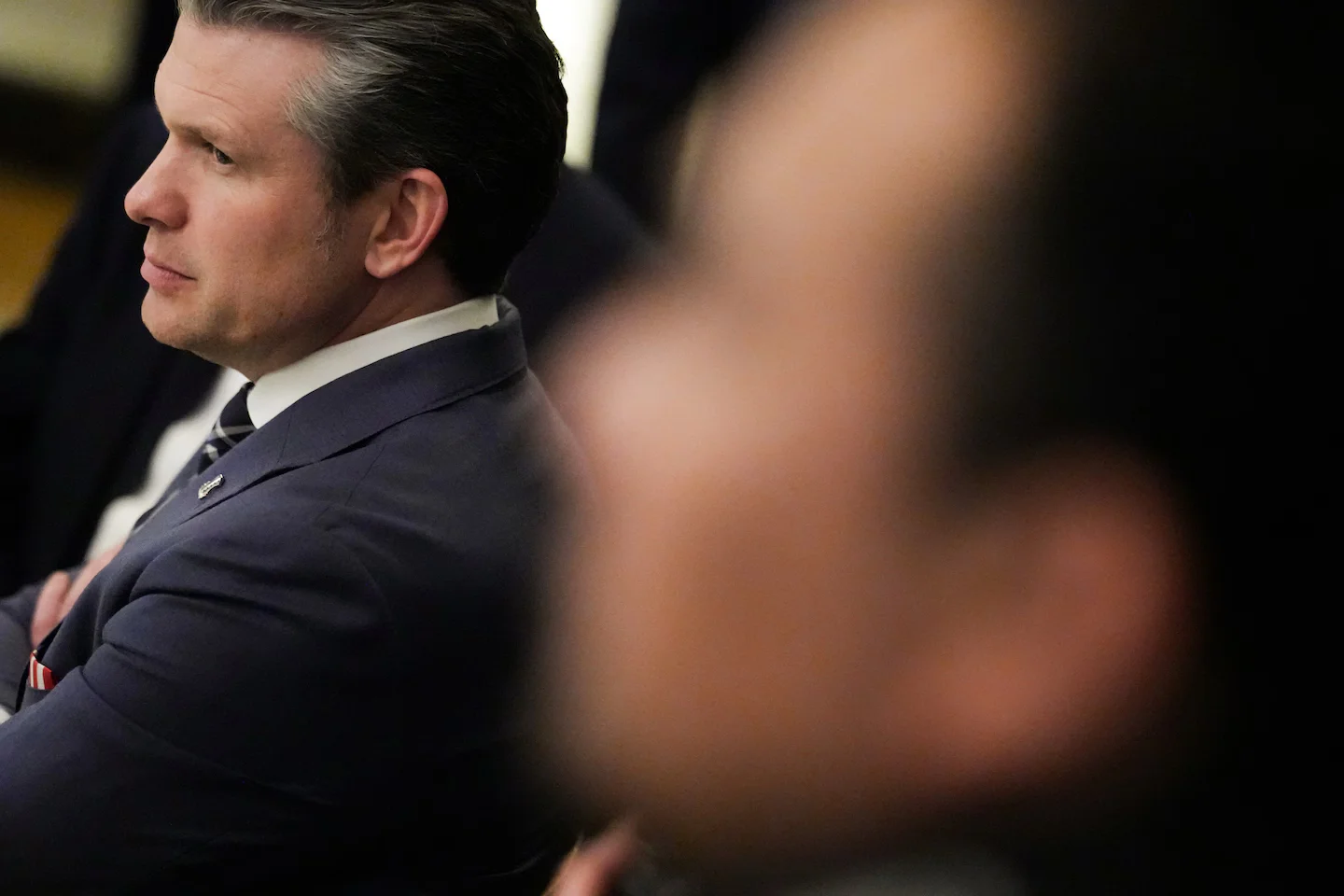
Defense Secretary Pete Hegseth’s staff reportedly complained about a March briefing’s images and prompted the Pentagon to bar press photographers from two subsequent briefings amid the U.S.–Israel–Iran tensions, raising questions about press access and censorship in national security coverage.
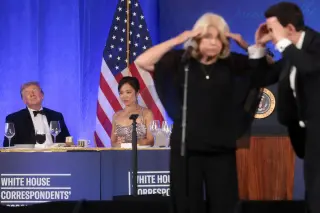
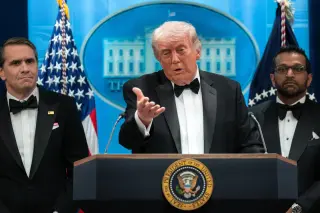
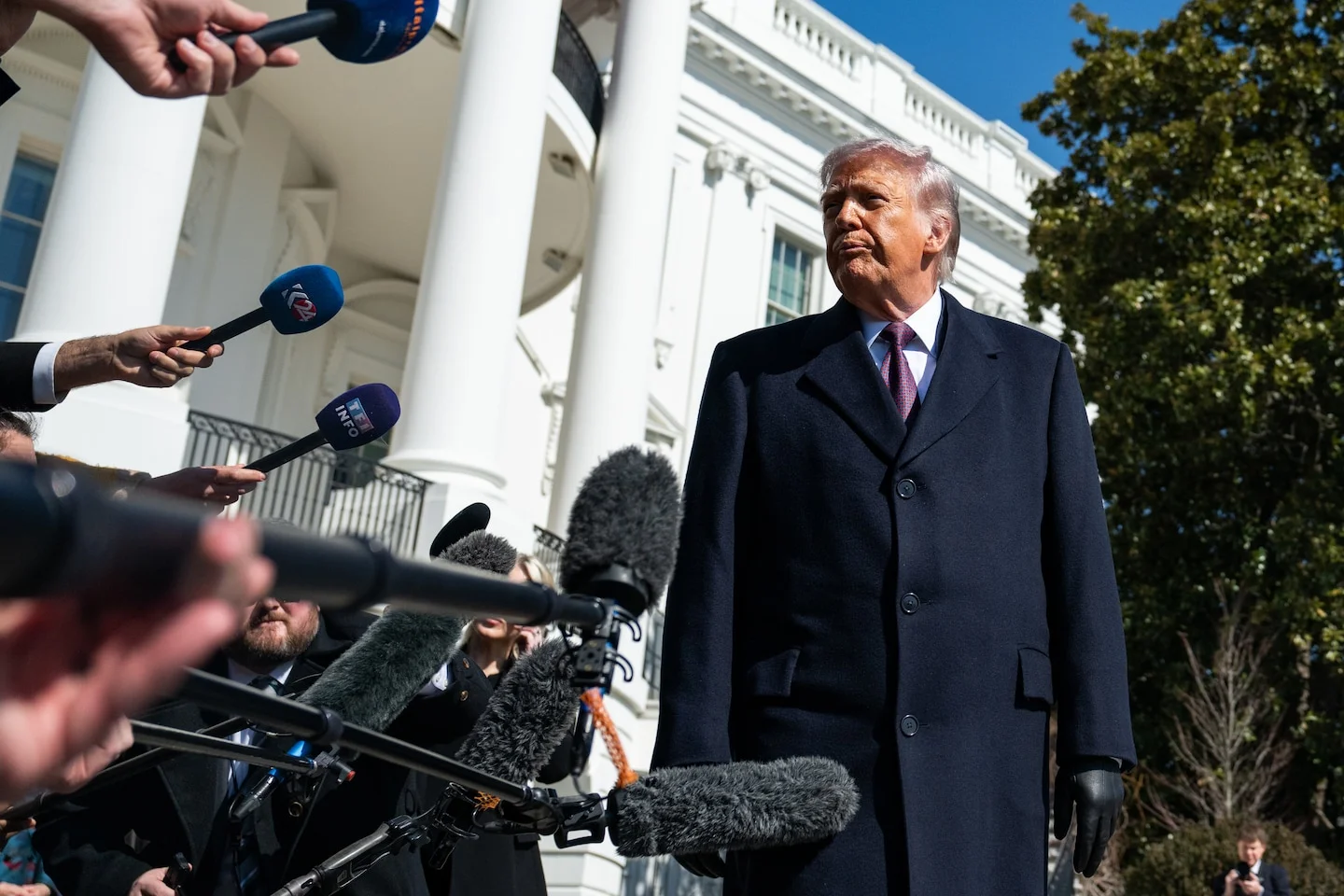
President Donald Trump will attend the White House Correspondents’ Association dinner for the first time since taking office, ending a years-long boycott he has long cited as evidence of biased media.
Four journalists, including AP freelancers, were detained in Cameroon while reporting from a migrant-deportation facility linked to the Trump administration; lawyers say the detained migrants originated elsewhere.
NewsGuard, a firm that rates the reliability of online news outlets, has sued President Trump’s Federal Trade Commission, alleging the agency tried to drive it out of business by barring a major ad agency from using NewsGuard’s ratings in retaliation for disagreements with its assessments. The company frames the move as censorship and argues it violates First and Fourth Amendment rights, illustrating a clash between a government regulator and a private ratings provider over online news credibility.
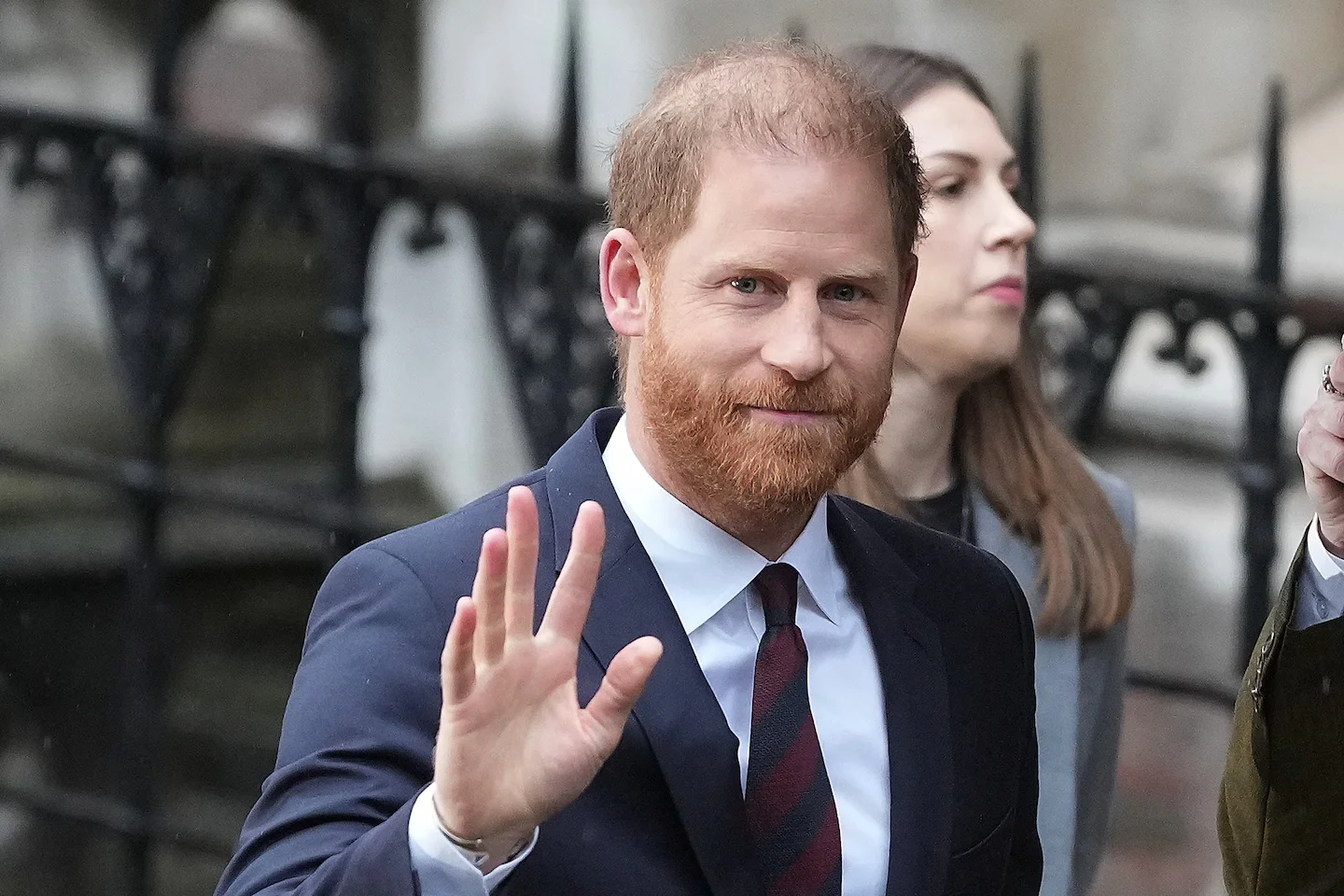
Prince Harry testified in a London court that the Daily Mail’s reporting tactics invaded his wife Meghan’s privacy, rejecting the idea that information was obtained legally through his circle of friends and calling the experience for Meghan an “absolute misery” amid a high-profile defamation/privacy case tied to the broader phone-hacking era.
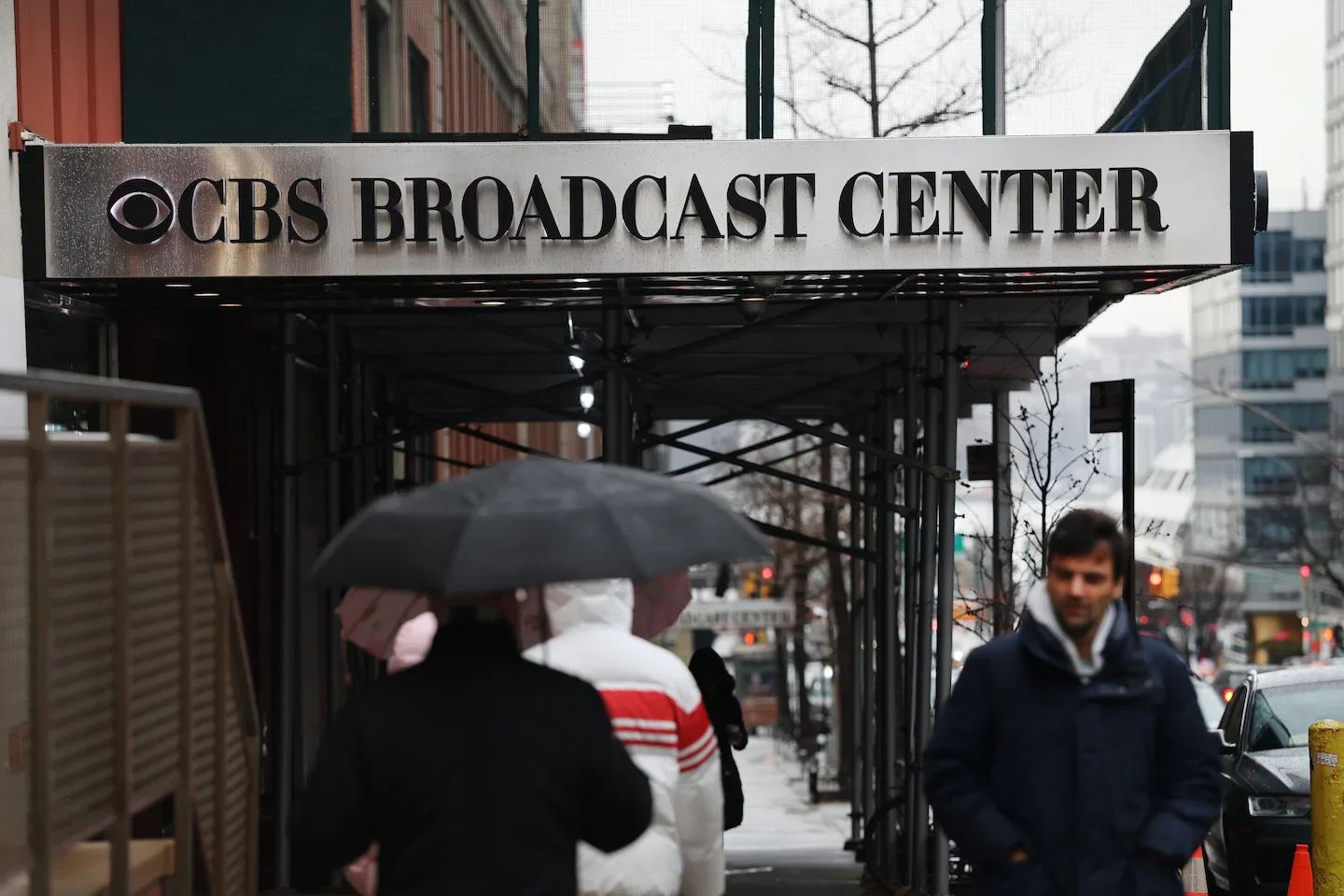
CBS aired a delayed 60 Minutes segment about Venezuelan migrants deported to El Salvador’s CECOT prison without an on-camera Trump administration official, despite Bari Weiss shelving the piece for that reason; the episode aired Sunday largely unchanged, fueling accusations of corporate censorship and raising questions about newsroom independence.
Sony has expanded its video authenticity verification technology to support more cameras and now includes verification of video content, enhancing the credibility of news media by ensuring content authenticity and combating AI-generated manipulation, with support for C2PA standards and proprietary metadata features.
The article discusses how the rapid spread of graphic video footage of Charlie Kirk's shooting on social media has transformed the traditional media's gatekeeping role, raising concerns about the impact of instant, unfiltered content on society and the challenges faced by platforms in moderating such material.
The New York Post is launching a new sister publication, The California Post, based in Los Angeles, in early 2026, aiming to provide fiery, issue-based journalism with a California focus, including local news, entertainment, and sports, while leveraging its digital reach and addressing the declining news media landscape in California.
Meta, owner of Facebook, is refusing to renew deals with Australia’s media companies, posing a threat to journalism's sustainability. The news media bargaining code forced Google and Facebook to negotiate with media companies, resulting in deals worth an estimated $200m. However, with the expiration of these deals, Meta seems unwilling to negotiate further. Additionally, the integration of artificial intelligence into search engines poses a catastrophic threat to professional journalism, potentially leading to a loss of traffic and advertising revenue for news media. The government is considering ways to support news media sustainability, but a more nimble media policy is needed to address these challenges.
Mediaite has released its list of the Most Influential in News Media for 2023. Brian Stelter, former CNN host, remained a reliable source for news media coverage, joining Vanity Fair as a special correspondent and podcast host. Matt Belloni, founding partner of Puck, continued to build his audience through his podcast and columns, providing insights into the entertainment industry. Jesse Rodriguez, VP of editorial and booking at MSNBC, played a crucial role in shaping the network's coverage and securing big interviews. Eric Bolling, host of Newsmax's The Balance, established himself as a prominent figure in the Republican Party's right-wing media. Molly Jong-Fast, a special correspondent at Vanity Fair and cable news commentator, became a key voice for progressives in navigating the political landscape.
Google has agreed to pay $75 million annually to Canadian news media outlets as part of the Online News Act, which aims to support the struggling Canadian news sector. The majority of the payment will go to print media, followed by radio and other outlets. This agreement comes after years of negotiations and pressure tactics. In India, there have been discussions about sharing ad revenue with media organizations, and a proposed Digital India Act is expected to regulate platforms and address issues related to user harms and the ethical use of technology.
This article discusses how positive news about the economy can sometimes be overshadowed by a negative media vibe, highlighting the role of perception, bias, and reporting in shaping public opinion.