Tag

Nova Classification

All articles tagged with #nova classification

Not all Ultra-Processed Foods are Harmful, Review Finds
science1 month ago

Not all Ultra-Processed Foods are Harmful, Review Finds

A new Science review argues that health risks attributed to ultra-processed foods (UPFs) likely stem from ingredients and overall nutrient profiles rather than processing alone; some UPFs (fortified breads, probiotic yogurts, plant-based milks) can be nutritious, while others are unhealthy due to their ingredients. The authors call for experiments that isolate processing techniques from nutritional content and caution against treating UPFs as a uniformly dangerous category, noting that processing can improve safety and accessibility overall.

Public health advocates press for sweeping policy on ultra-processed foods
public-health1 month ago

Public health advocates press for sweeping policy on ultra-processed foods

A special issue of the American Journal of Public Health urges policymakers to act on ultra-processed foods, showing cross‑partisan support for safety testing, warning labels, and reducing sugar and salt, while arguing that education alone won’t curb consumption. The pieces discuss defining ultra-processed foods (favoring the Nova system), industry tactics, and strategies like litigation and subsidies to make fruits and vegetables more affordable, plus reallocating subsidies and regulatory tools to counter a powerful food system.

New Blueprint Sets a Science-Based Target for Ultra-Processed Foods and Policy
health1 month ago

New Blueprint Sets a Science-Based Target for Ultra-Processed Foods and Policy

A May 2026 Healthy Eating Research blueprint defines ultra-processed foods by ingredient lists—flagging products with additives not used in home cooking—and reports that over half of American adults’ calories come from UPFs (even more for kids). The panel ranks Tier 1 policies such as targeted taxes on UPFs, school/childcare procurement restrictions, countermarketing, and mandatory front-of-pack labeling, with a focus on equity and alignment with FDA/USDA efforts. UNC data cited show 71% of baby/toddler foods in North Carolina are UPFs, and 72% of U.S. packaged foods analyzed meet the UPF definition. The research links UPF consumption to higher risks of heart disease, diabetes, obesity, depression, and early death, while noting potential processing-related effects on digestion and cravings.

Ultra-Processed Food: A Battle Between Vegetarians and Meat-Eaters
health1 year ago

Ultra-Processed Food: A Battle Between Vegetarians and Meat-Eaters

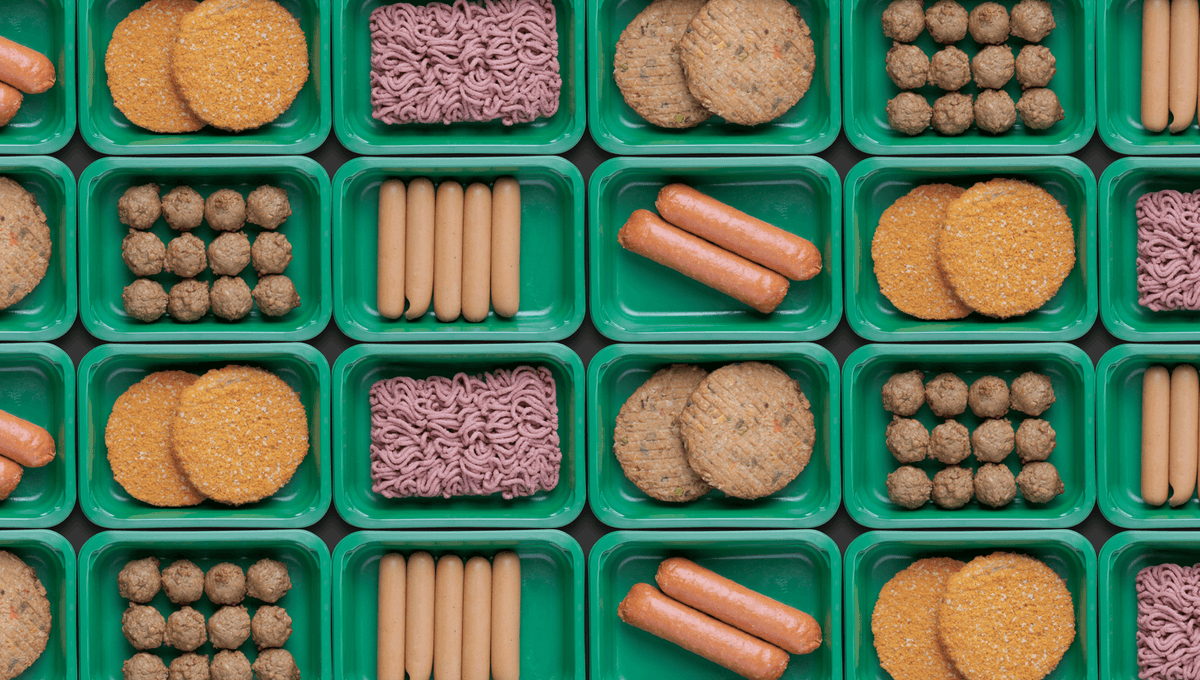
A study published in eClinicalMedicine reveals that vegetarians and vegans tend to consume slightly more ultra-processed foods compared to red meat eaters, with vegetarians consuming 1.3 percentage points more. This trend is attributed to the reliance on meat substitutes and convenience foods, which are often high in additives and unhealthy ingredients. The study emphasizes the importance of focusing on minimally processed foods when transitioning to plant-based diets, as ultra-processed foods can negatively impact health. The findings highlight the complexity of defining ultra-processed foods and the need for balanced dietary choices.

Identifying and Avoiding Harmful Ultra-Processed Foods
health1 year ago

Identifying and Avoiding Harmful Ultra-Processed Foods

The article discusses the health risks associated with consuming ultra-processed foods, which are extensively industrially processed and often nutrient-poor. These foods, defined by the NOVA classification, are linked to various health issues, including obesity, heart disease, and diabetes. Experts suggest focusing on nutrient-dense foods and understanding food labels to make healthier dietary choices. The article emphasizes the importance of a balanced diet, especially for children and older adults, and offers practical tips for reducing ultra-processed food intake.