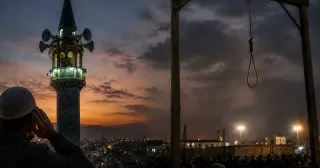
After a wave of pre-dawn executions of protesters and political prisoners, Iranian social media users directed anger at Islam and the dawn adhan (call to prayer), prompting an IRGC-linked campaign to prosecute online insults to Islamic sanctities under Article 513; rights groups warn the crackdown signals broader suppression of dissent and online speech.
A new study warns that government censorship is shaping the behavior of AI chatbots, potentially spreading state-imposed speech restrictions as chatbots filter and censor responses, raising concerns about free expression and how policy shapes the future of AI.
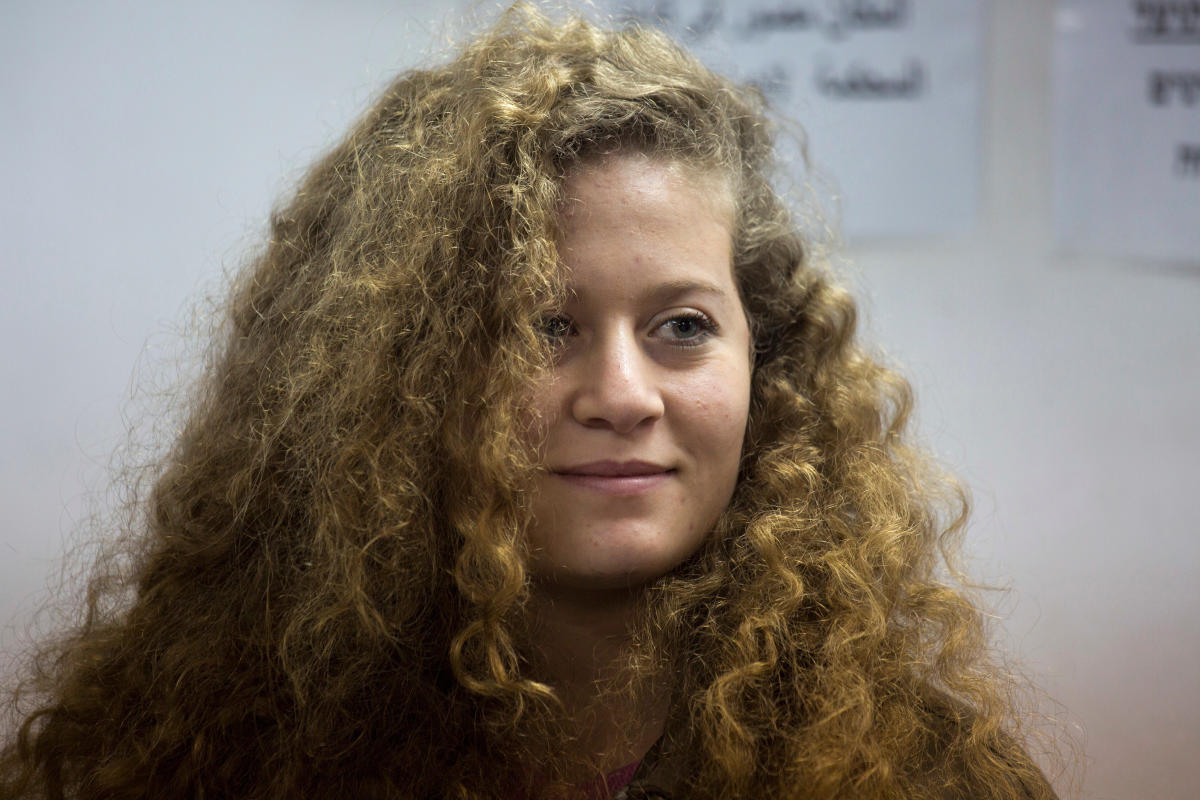
The family of Palestinian activist Ahed Tamimi claims that her Instagram account was hacked, denying that she wrote the words for which she was arrested and imprisoned by Israeli authorities for "inciting terrorism." Tamimi gained fame in 2017 after a video of her slapping an Israeli soldier went viral. Her recent arrest has sparked criticism of Israel's crackdown on Palestinian online speech. Rights groups report that Palestinians have been arrested, fired, and expelled for incendiary online speech. Tamimi's mother says soldiers stormed their home, beat Ahed, and arrested her. Israeli authorities have not disclosed her location, and she may face indefinite detention without charge.
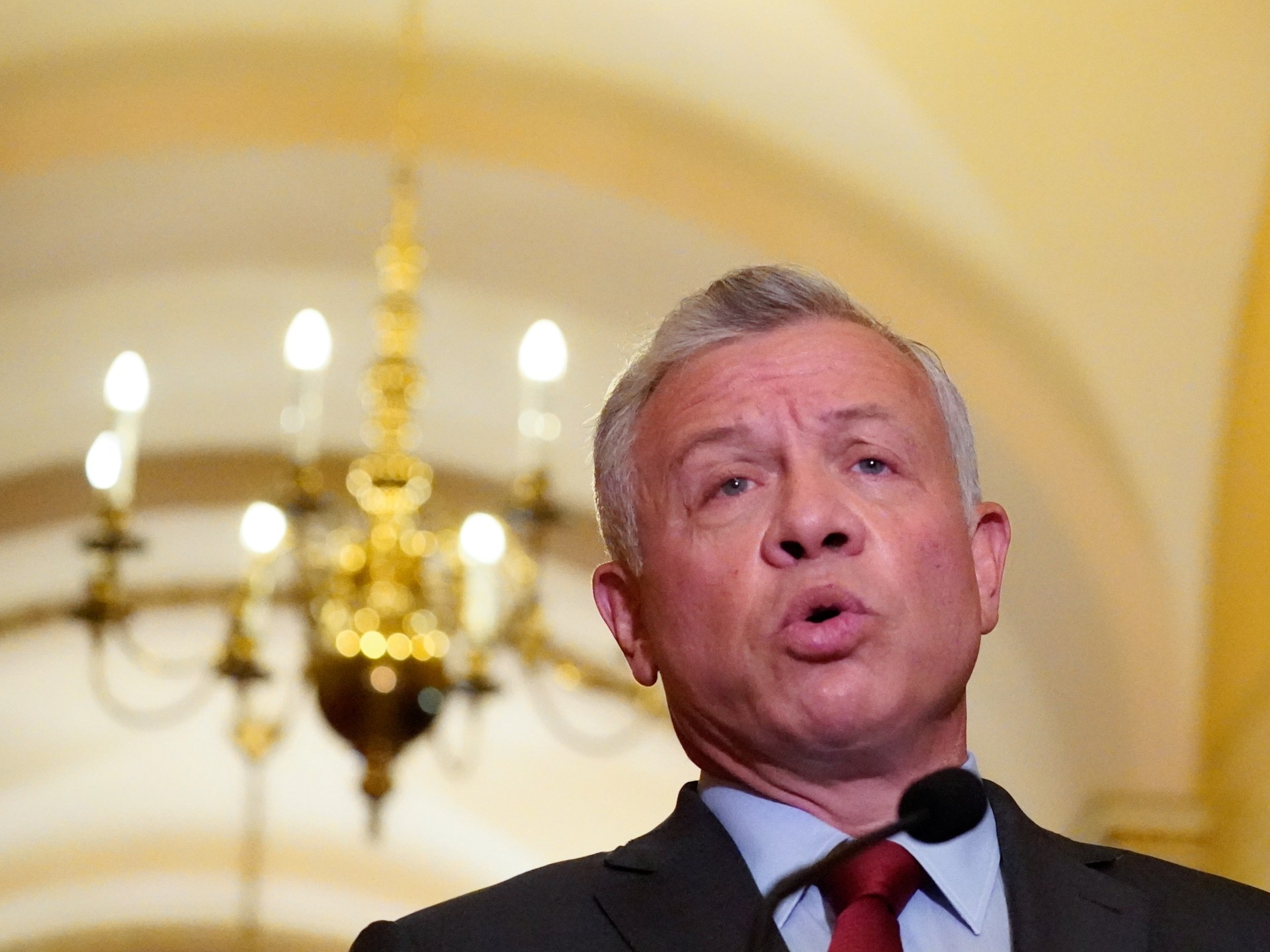
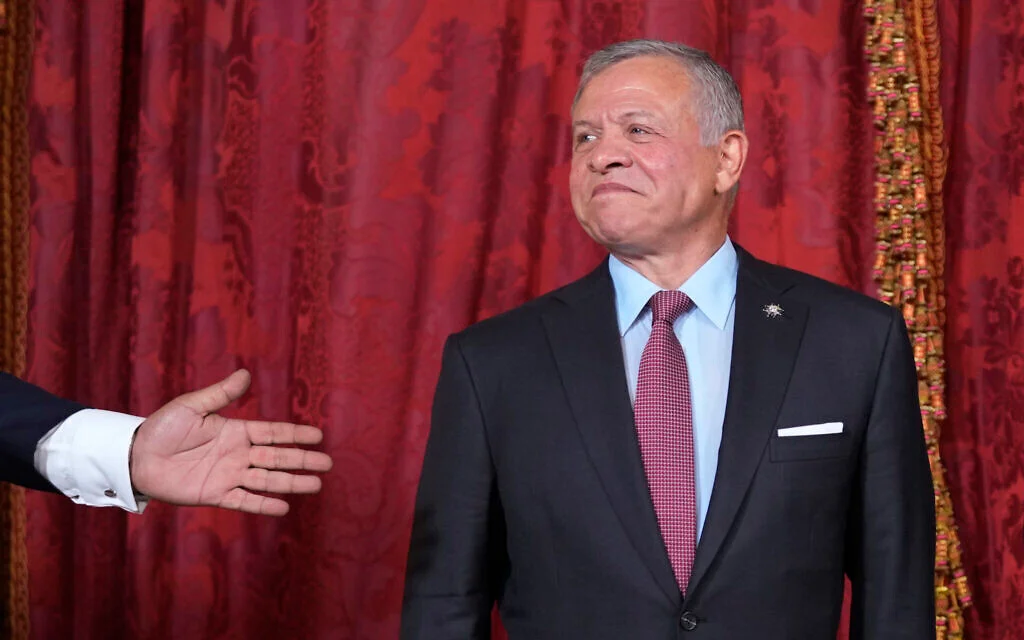
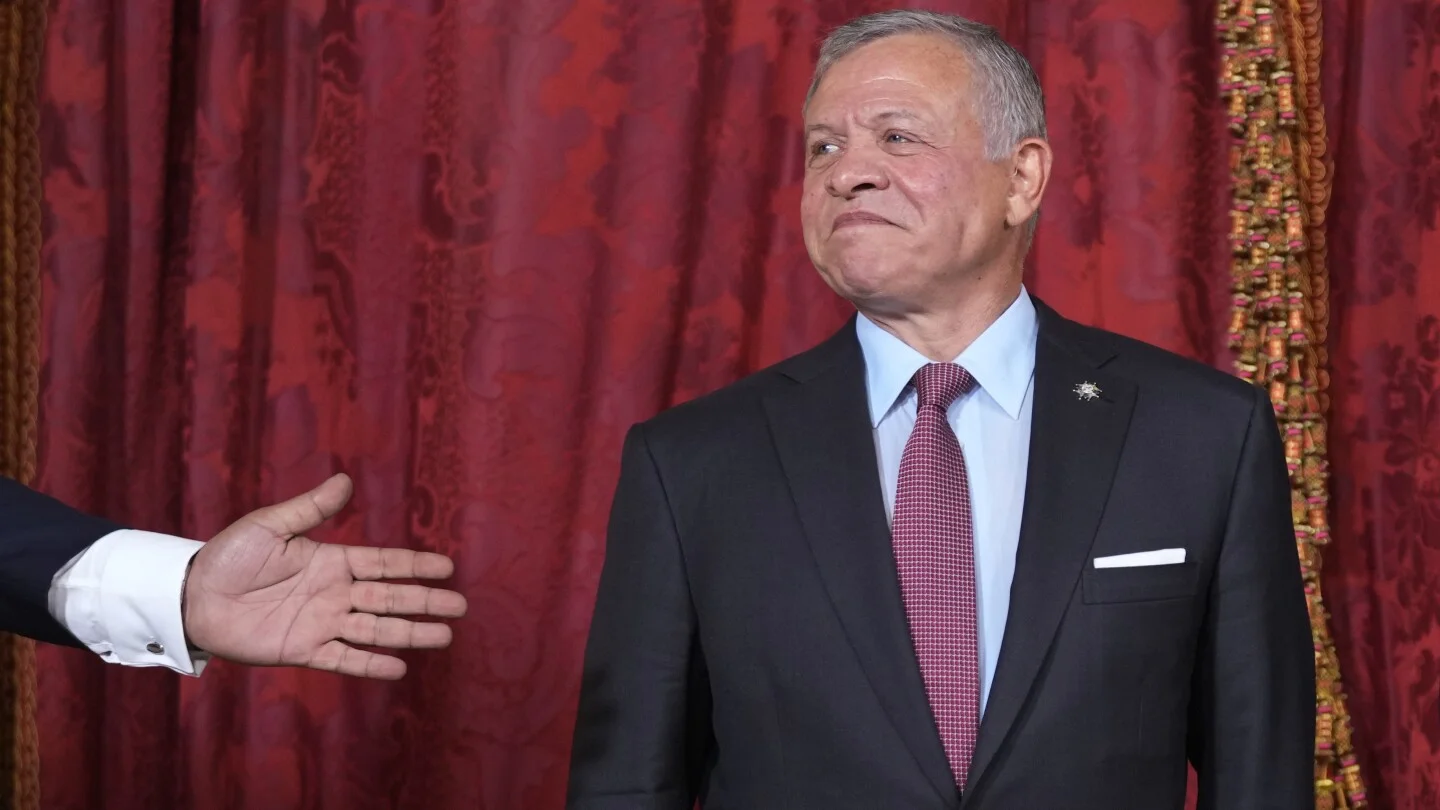
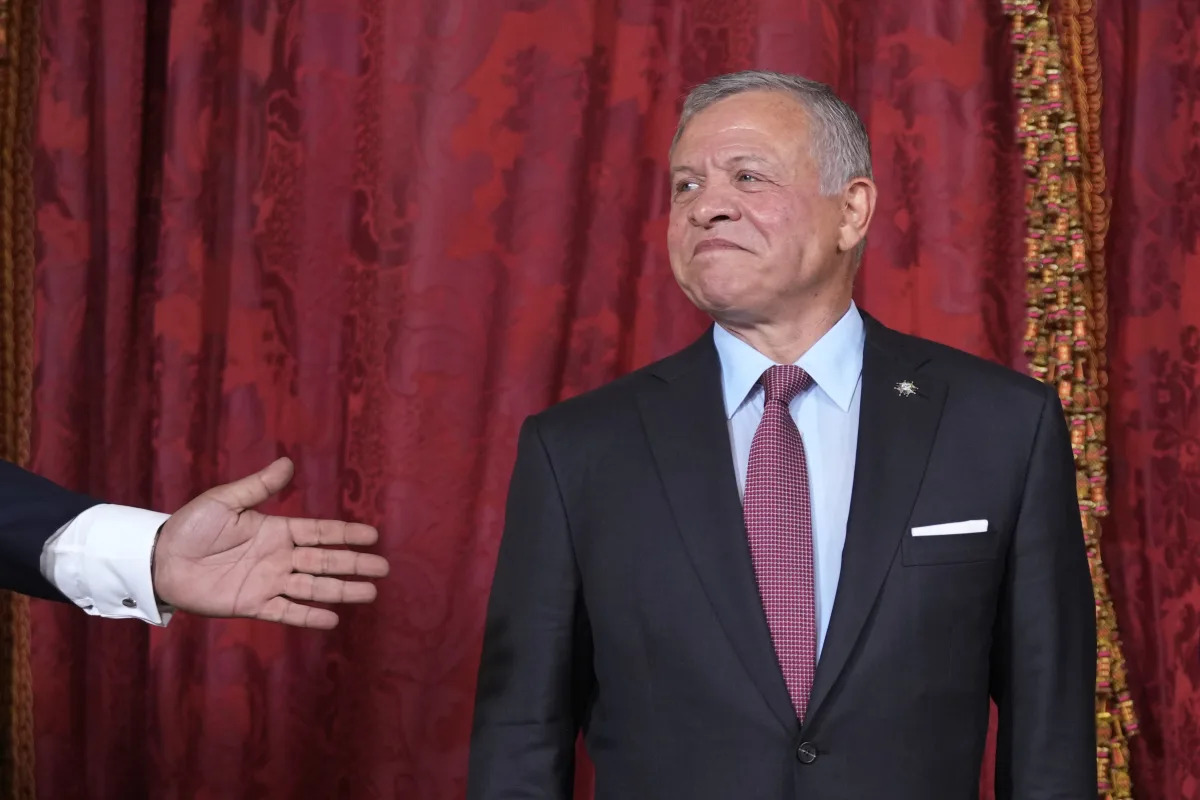
King Abdullah II of Jordan has approved a controversial cybercrime law that aims to crack down on online speech deemed harmful to national unity. The law, criticized by opposition lawmakers and human rights groups, will make certain online posts punishable with prison time and fines, targeting content promoting immorality, contempt for religion, and undermining national unity. The legislation also outlaws certain methods of maintaining online anonymity and publishing names or pictures of police officers. The law has been described as "draconian" by rights groups, including Human Rights Watch, and has drawn criticism from the United States.
The King of Jordan has approved a bill that criminalizes online speech deemed harmful to national unity, drawing criticism from human rights groups who view it as a crackdown on free expression. The law imposes prison time and fines for posts promoting immorality, contempt for religion, or undermining national unity, as well as publishing names or pictures of police officers online and certain methods of maintaining online anonymity. Human rights groups argue that the law expands state control over social media, restricts access to information, and penalizes anti-government speech. This is part of a series of crackdowns on freedom of expression in Jordan, according to a report by Human Rights Watch.
Jordan's King Abdullah II has approved a bill that criminalizes online speech deemed harmful to national unity, drawing criticism from human rights groups. The law, which amends a 2015 cybercrime law, allows for imprisonment and fines for posts promoting immorality, contempt for religion, or undermining national unity. It also prohibits the publication of names or pictures of police officers and certain methods of maintaining online anonymity. Critics argue that the law expands state control over social media, restricts access to information, and penalizes anti-government speech. Jordan has faced increasing crackdowns on freedom of expression, with authorities targeting protesters and journalists.
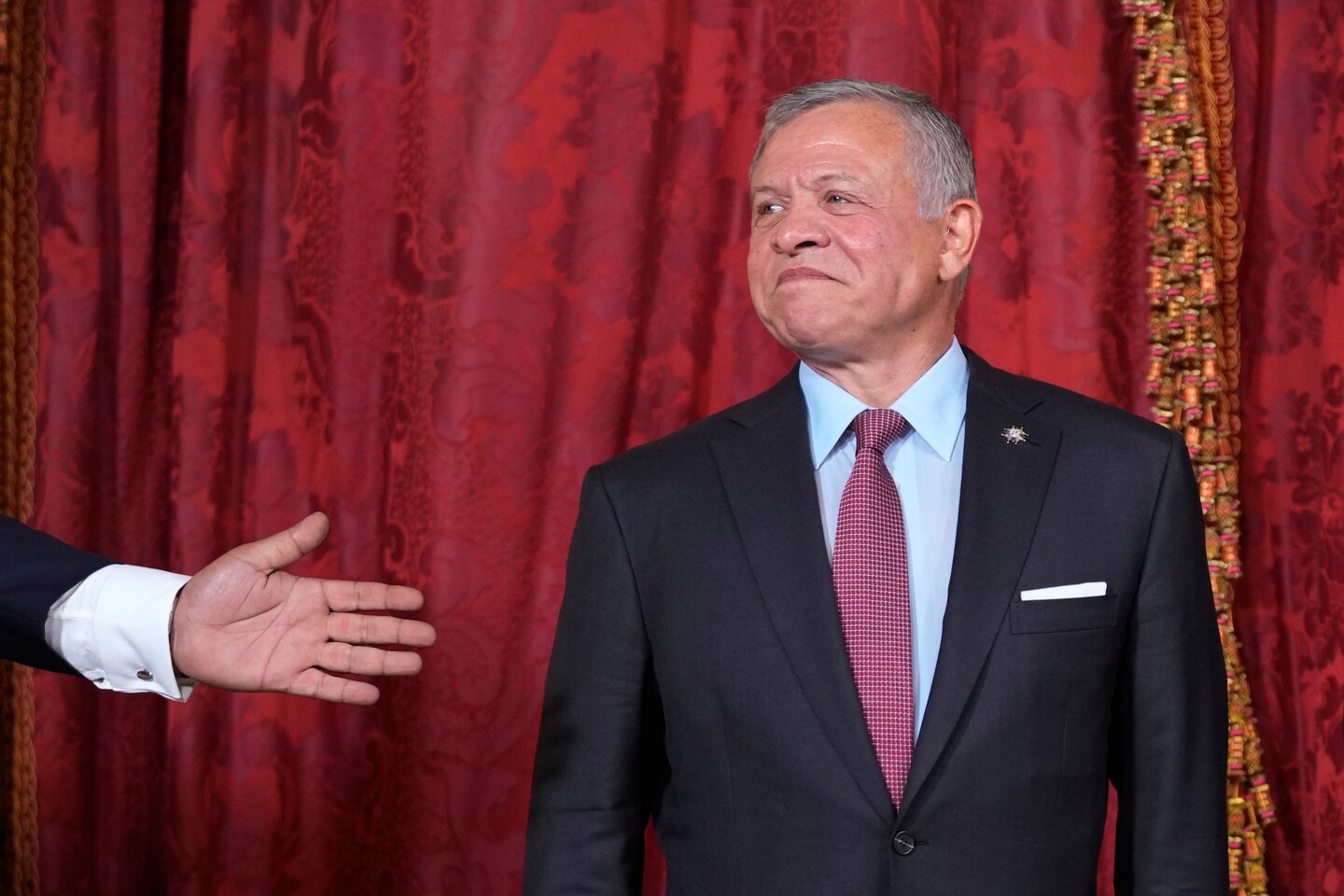
King Abdullah II of Jordan has approved a bill that criminalizes online speech deemed harmful to national unity, drawing criticism from human rights groups. The law, set to take effect in one month, punishes certain online posts with prison time and fines, including those promoting immorality, showing contempt for religion, or undermining national unity. It also prohibits the publication of names or pictures of police officers online and restricts online anonymity. Critics argue that the law expands state control over social media, hampers access to information, and penalizes anti-government speech. Human rights groups have called the law "draconian," warning that it infringes upon freedom of expression, while the president of Jordan's press association expressed concerns about its impact on press freedom. This is the latest in a series of crackdowns on freedom of expression in Jordan, according to a report by Human Rights Watch.
The King of Jordan has approved a bill that criminalizes online speech deemed harmful to national unity, drawing criticism from human rights groups who view it as a crackdown on free expression. The law allows for imprisonment and fines for posts promoting immorality, contempt for religion, or undermining national unity. It also prohibits the publication of names or pictures of police officers online and restricts online anonymity. Human rights groups argue that the law expands state control over social media, limits access to information, and penalizes anti-government speech. This is part of a broader trend of increasing restrictions on freedom of expression in Jordan, according to a report by Human Rights Watch.