
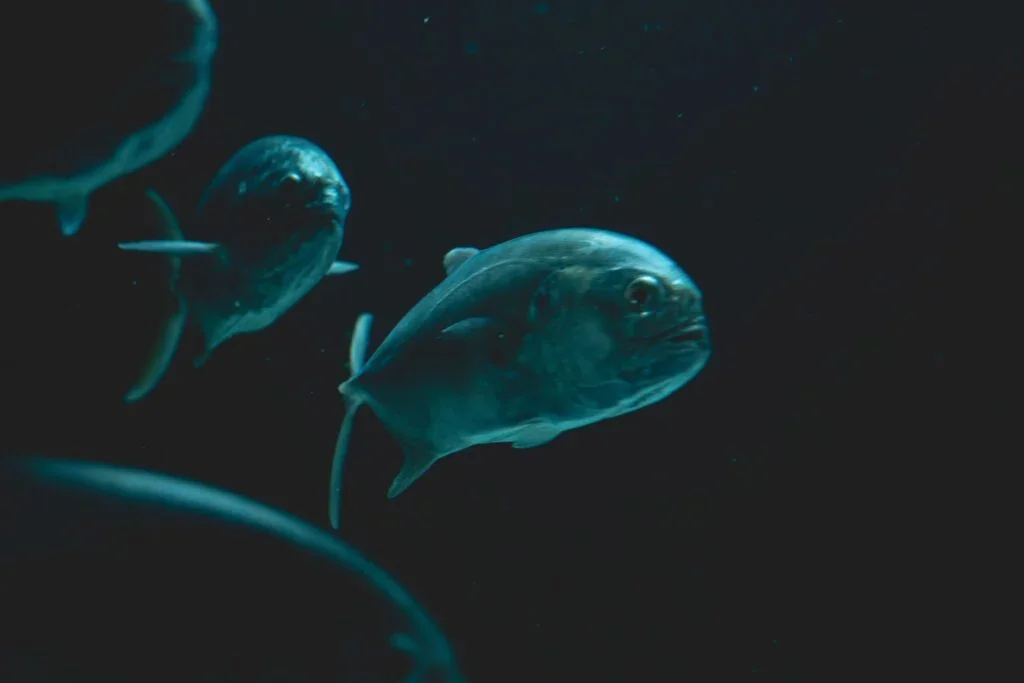
Deepest fish survives by chemistry, not armor, at the ocean’s pressure frontier
Two expeditions documented snailfish at record depths (8,336 m via video and 8,022 m via capture), showing survival under about 84 MPa of pressure isn’t about hiding a heavy shell or gas bladder but about chemistry: high TMAO concentrations stabilize proteins, membranes stay fluid, and enzymes and other cellular systems cope with the pressurized, cold water. The species’ soft, low-density tissues and genome-level adaptations help it function deep beneath the surface, with a proposed depth boundary around 8.2–8.3 km that explains why life at Hadal depths is possible but limited.