
Trump pushes to fire Senate parliamentarian after ballroom funding clash
Trump called for the firing of the Senate parliamentarian after she blocked funding for a ballroom, signaling a clash over Senate procedure and executive influence.

All articles tagged with #parliamentarian
Trump called for the firing of the Senate parliamentarian after she blocked funding for a ballroom, signaling a clash over Senate procedure and executive influence.

President Trump publicly urged the firing of Senate parliamentarian Elizabeth MacDonough after she rejected a Republican bid to attach funding for his White House ballroom to a bill funding immigration enforcement, highlighting the ongoing clash over parliamentary rules as GOP leaders stress that votes will determine the fate of the funding proposal.
President Trump urged Senate Republicans to fire nonpartisan parliamentarian Elizabeth MacDonough after she ruled that funding for the White House ballroom cannot be attached to the immigration-enforcement bill via budget reconciliation, blocking the project; he accused her of thwarting his agenda while Senate leaders warned of political and security implications, and GOP hopes to pass the ballroom package with a simple majority were dashed by the 60-vote requirement.
President Donald Trump defended his White House ballroom project, insisting private donors and his own money would cover roughly $1 billion in related Secret Service costs after a Senate bill blocked the funding; Parliamentarian Elizabeth MacDonough ruled the provision violated budget rules, removing about $220 million allocated for the ballroom and complicating GOP efforts without Democratic support, while Trump framed critics as politically motivated and stressed the project would not be taxpayer-funded.
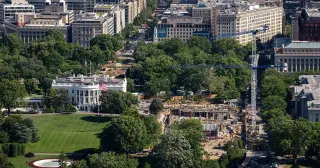
Senate Republicans are revising a $72 billion DHS funding package to support immigration enforcement and East Wing modernization security upgrades after the Parliamentarian ruled a ballroom-security provision violated the Byrd rule, prompting revisions and potential challenges from Democrats as they race toward a June deadline.
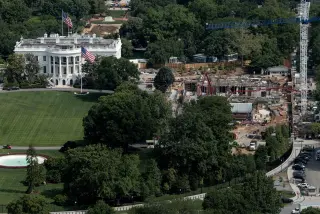
The Senate parliamentarian ruled that hundreds of millions proposed for security measures tied to the White House East Wing modernization and Trump’s planned 90,000-square-foot ballroom cannot be included in the current GOP spending package under reconciliation rules, forcing lawmakers to remove or rework the ballroom-related provisions. Democrats hailed the decision as a taxpayer protection, while Republicans plan to redraft and resubmit the bill, arguing the funds would cover security rather than the ballroom itself; the dispute follows earlier rulings that parts of the bill violated reconciliation protocols and jurisdictional limits.
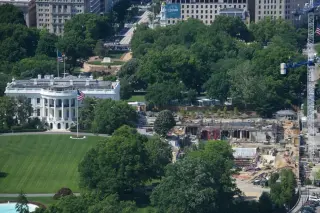
The Senate parliamentarian ruled that a $1 billion White House security proposal cannot be included in the current package, delivering a setback to the administration's security funding goals as renovations at the White House proceed.

The Senate parliamentarian ruled that a GOP provision to allocate $1 billion for funding Trump’s White House ballroom is outside the budget bill’s jurisdiction and would require a 60-vote threshold, not simple majority via reconciliation. Republicans are revising the language, but success hinges on keeping the measure within permissible committees and spending rules; if not, the funding may be dropped, with some lawmakers advocating private funding and Democrats signaling they’ll challenge changes that bypass the Byrd Rule.
Republicans are rewriting a provision in their immigration-enforcement bill to redirect about $1 billion in Secret Service funding toward the White House East Wing ballroom project after a Friday meeting with Senate Parliamentarian Elizabeth MacDonough. The changes aim to keep the measure Byrd-compliant while addressing GOP concerns about taxpayer funding for the ballroom; Democrats say they’ll challenge every new line. Further revisions to the East Wing funding and related homeland provisions are anticipated as lawmakers race to clear the bill by the June deadline.
Senate Parliamentarian Elizabeth MacDonough’s forthcoming decision on whether a $1 billion Secret Service funding provision for the White House ballroom can stay in a budget-reconciliation bill is driving GOP strategy, with members weighing reductions and more detail due to political optics and Byrd-rule constraints. House Republicans, led by Mike Johnson, say they’ll push changes to the Senate’s housing bill despite White House and Senate pushback, while cross‑chamber talks continue on immigration enforcement, homeland provisions, and a crypto bill ahead of a June 1 deadline, as Trump presses for faster movement.
Senate Republicans are weighing a roughly $1 billion White House security package tied to a new East Wing ballroom in a budget-reconciliation bill, with Parliamentarian Elizabeth MacDonough’s Byrd-rule ruling expected to determine if the provision can stay. Democrats may strip the funding, and vulnerable GOP members are pressed on cost and optics, prompting calls for a detailed spending breakdown before votes and potential amendments ahead of a high-stakes floor showdown.
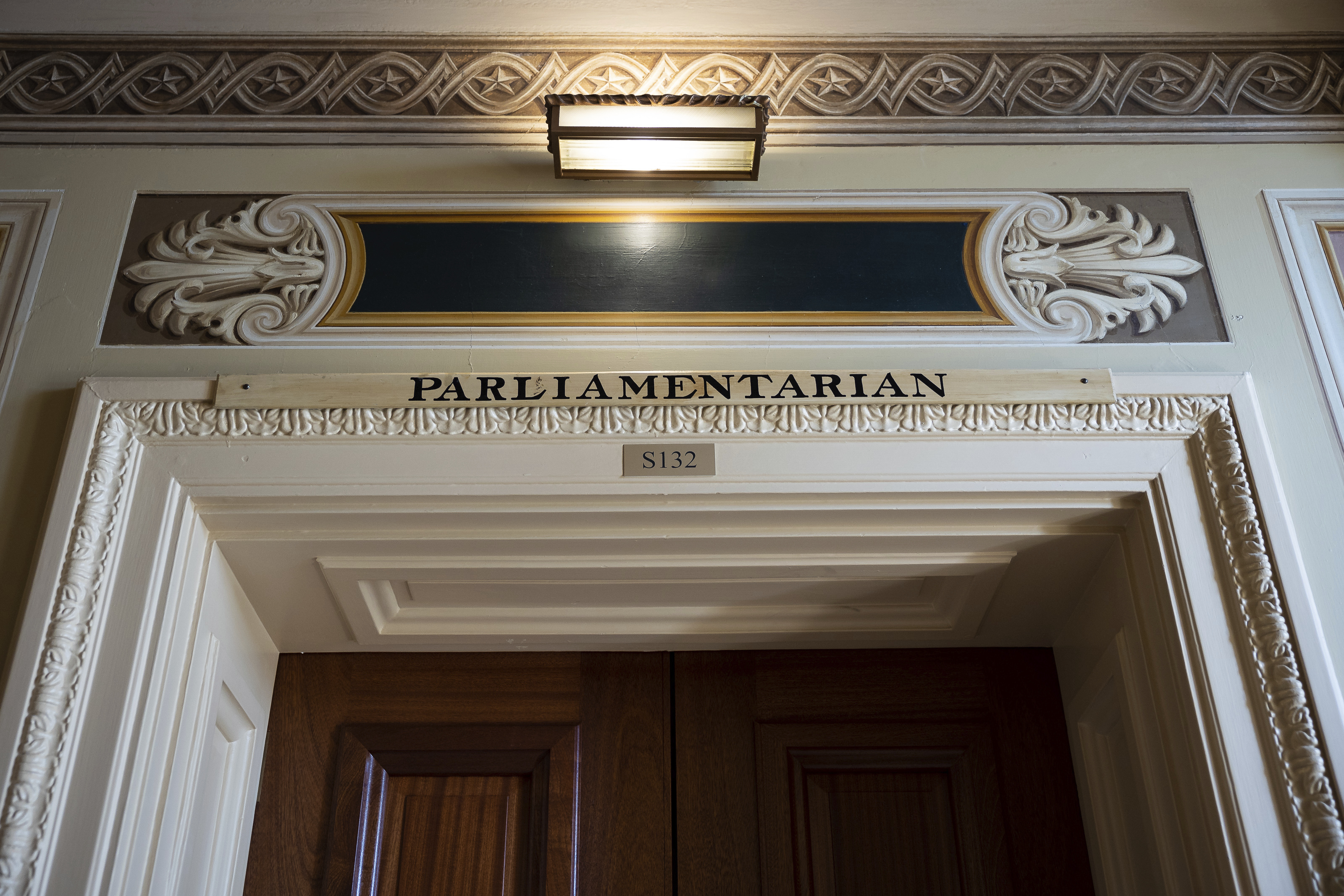
The Senate's revised domestic policy bill faces hurdles as the parliamentarian rules that several provisions, including Medicaid and drug pricing changes, violate Senate rules for budget reconciliation, though some GOP-backed provisions remain compliant.
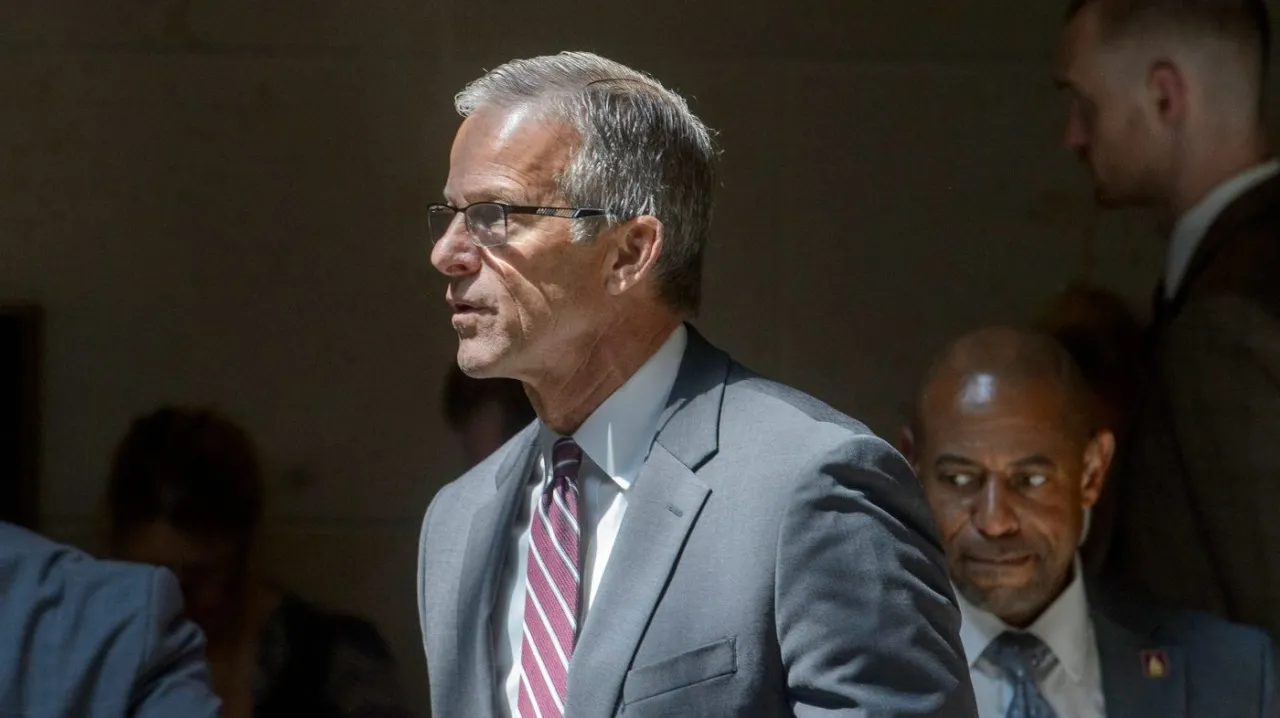
The Senate is set to consider a procedural vote on President Trump's large legislative bill amid internal disagreements and pending parliamentary rulings, with uncertainty about its passage before the July 4 deadline. Senate Majority Leader John Thune indicated the schedule is tentative, and support for the bill remains unclear. Meanwhile, Trump focused on advancing the bill and the Supreme Court blocked nationwide injunctions, marking a significant legal victory for the administration.
The Senate is planning to take an initial vote on a major bill, with ongoing negotiations on the SALT deal, immigration fees, and other provisions, while facing procedural challenges and deadline uncertainties, including a potential delay past July 4.
Senate Republicans are considering modifications to a proposed AI law moratorium after the Senate parliamentarian requested clarifications, particularly regarding its impact on broadband funding, amid divisions within the GOP and support from the tech industry.