A first-in-humans trial of a multi-target CAR-T-cell therapy for pediatric brain tumors shows it can safely generate anti-tumor responses and durable remissions, targeting WT1, PRAME and Survivin, with plans to advance to Phase 2 toward FDA approval.
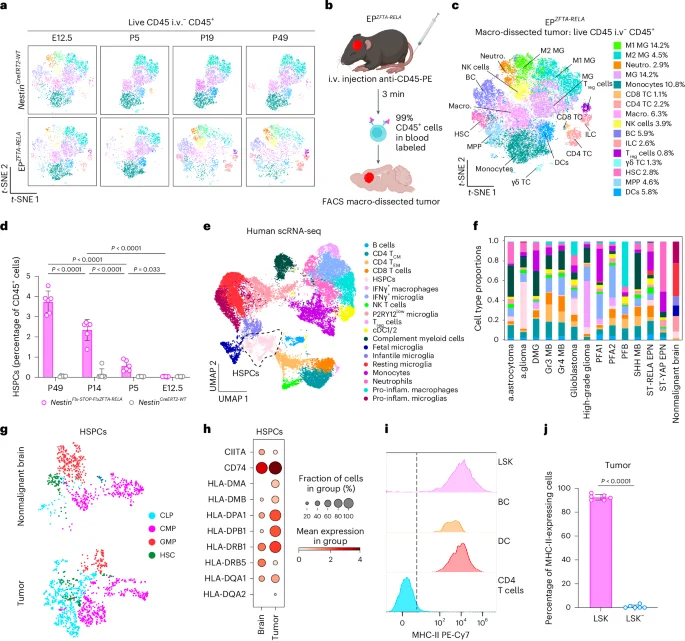
New research reveals a skull bone marrow–tumor immune axis in childhood brain cancers: CSF-borne signals educate skull hematopoietic stem and progenitor cells to present tumor antigens via MHC-II, polarizing CD4+ T cells toward regulatory T cells and promoting immunotolerance. Disrupting this axis—by normalizing CSF cytokines, mobilizing skull hematopoiesis, or blocking GM-CSF signaling with mavrilimumab (and even more so when combined with immune checkpoint blockade)—induces tumor regression in mouse models of ZFTA–RELA ependymoma, choroid plexus carcinoma, and group 3 medulloblastoma. The findings identify a skull-tumor immunological interface and suggest targeting local skull hematopoiesis as a potentially less-toxic therapy for aggressive pediatric brain tumors.