Immune-escape SARS-CoV-2 BA.3.2 detected across US and 22 countries
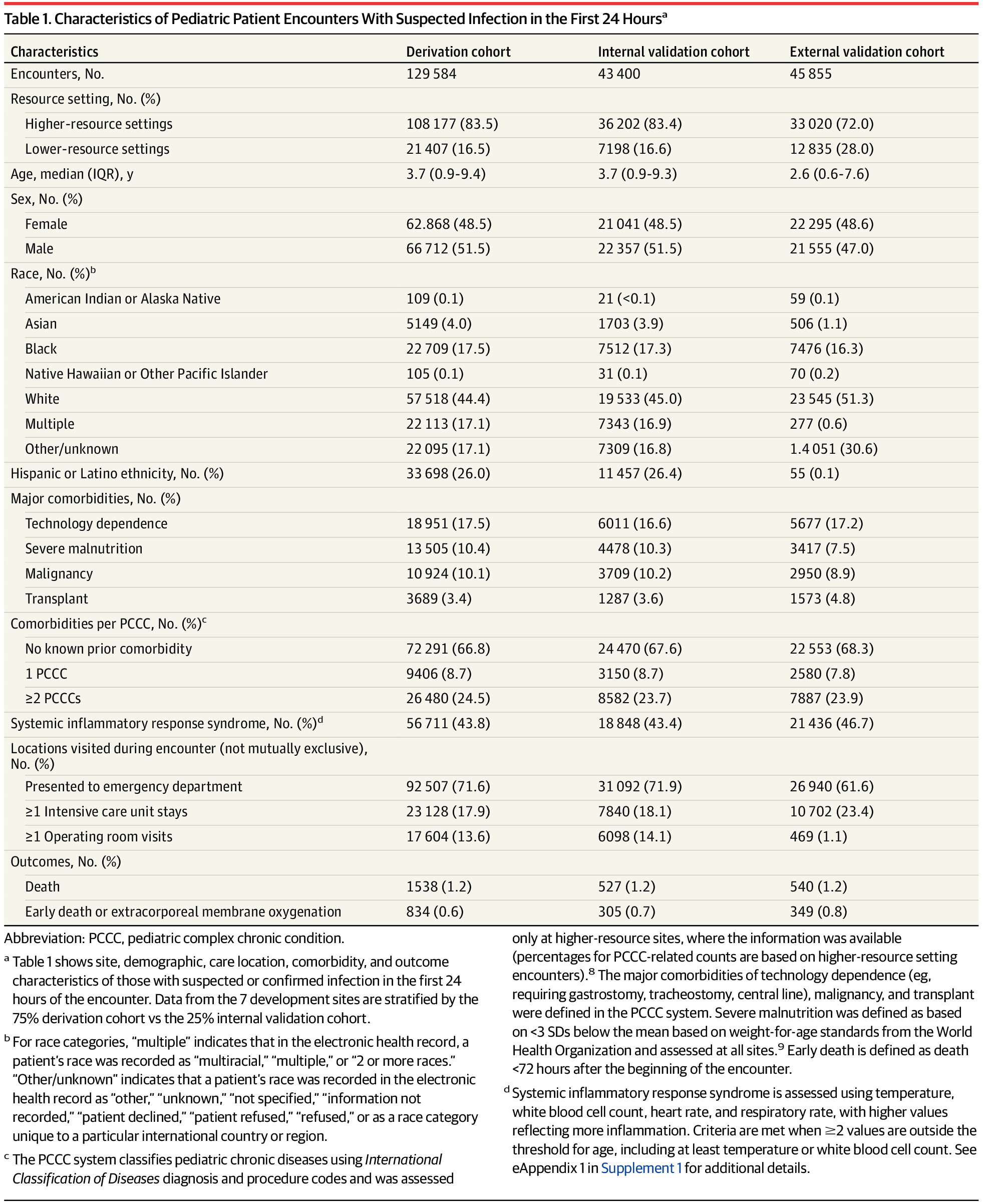
The CIDRAP digest reports the SARS-CoV-2 BA.3.2 variant—heavily mutated and potentially resistant to vaccines—has been detected in four US travelers, clinical samples from patients, and wastewater across 25 states, with detections in 23 countries and two sublineages (BA.3.2.1 and BA.3.2.2). National surveillance showed about 0.19% of recent sequences in the US (as of Feb 11, 2026), while 30% of sequences in parts of Europe were BA.3.2 in late 2025–early 2026, underscoring the need for ongoing genomic monitoring to assess public health impact. The issue also highlights that vaccination does not increase risk of sudden death in young people (a Canadian study showing 43% lower risk in vaccinated youths), a large pediatric sepsis study finding sepsis in 1.3% of hospitalized children and accounting for 18% of in-hospital pediatric deaths, and that expanded maternal syphilis screening raised case detection in the first quarter but waned within a year without additional measures. Quick takes note meningitis at a UK university, mpox in Missouri, and rising diphtheria risk across Africa."