

Tag

Pinky Time

All articles tagged with #pinky time

Pinky Time Myth Debunked: Real Brain Health Comes From Big Habits
science3 hours ago

Pinky Time Myth Debunked: Real Brain Health Comes From Big Habits

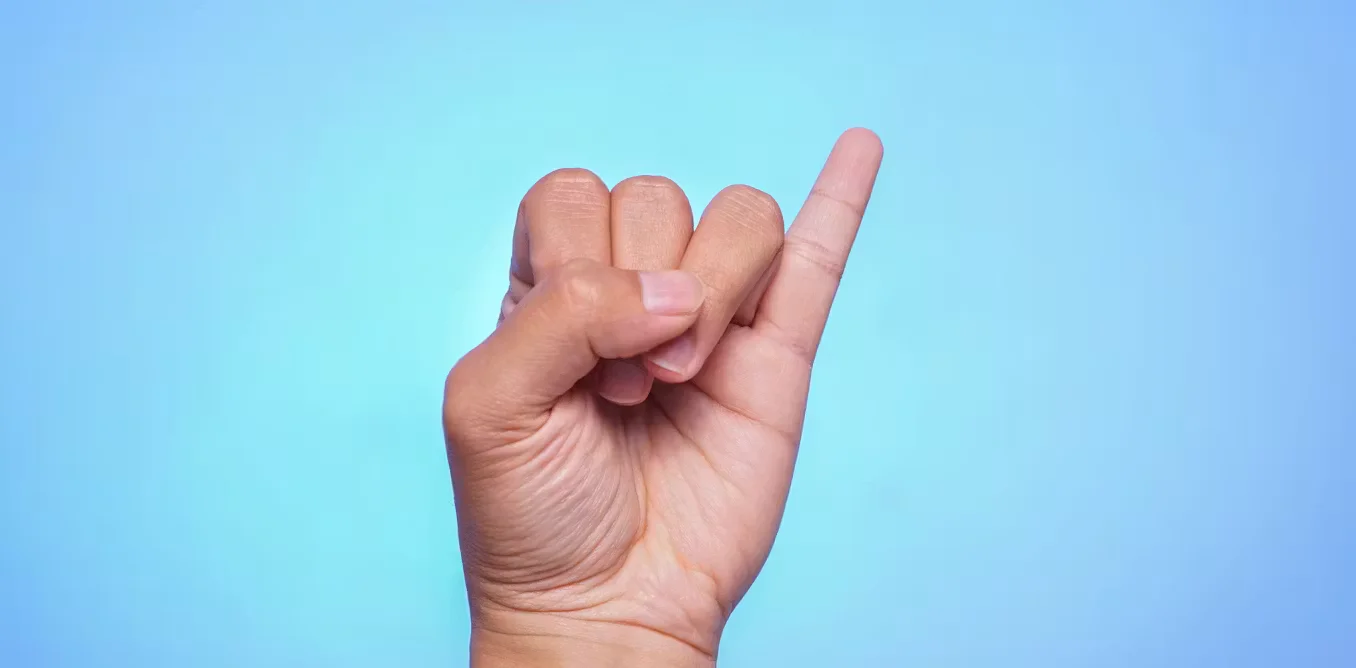
A viral TikTok claim that wiggling the pinky daily can prevent Alzheimer's is unsupported; while finger-tapping tasks show how movement and attention relate to aging, they are not diagnostic tools or proven defenses against dementia. Real brain health comes from broader lifestyle factors—regular exercise, good sleep, Mediterranean-style diet, social engagement, treating hearing and vision issues, and lifelong learning—while single tricks are unlikely to provide lasting protection.
Pinky time myth busted: a simple finger move won't stop dementia
health11 hours ago

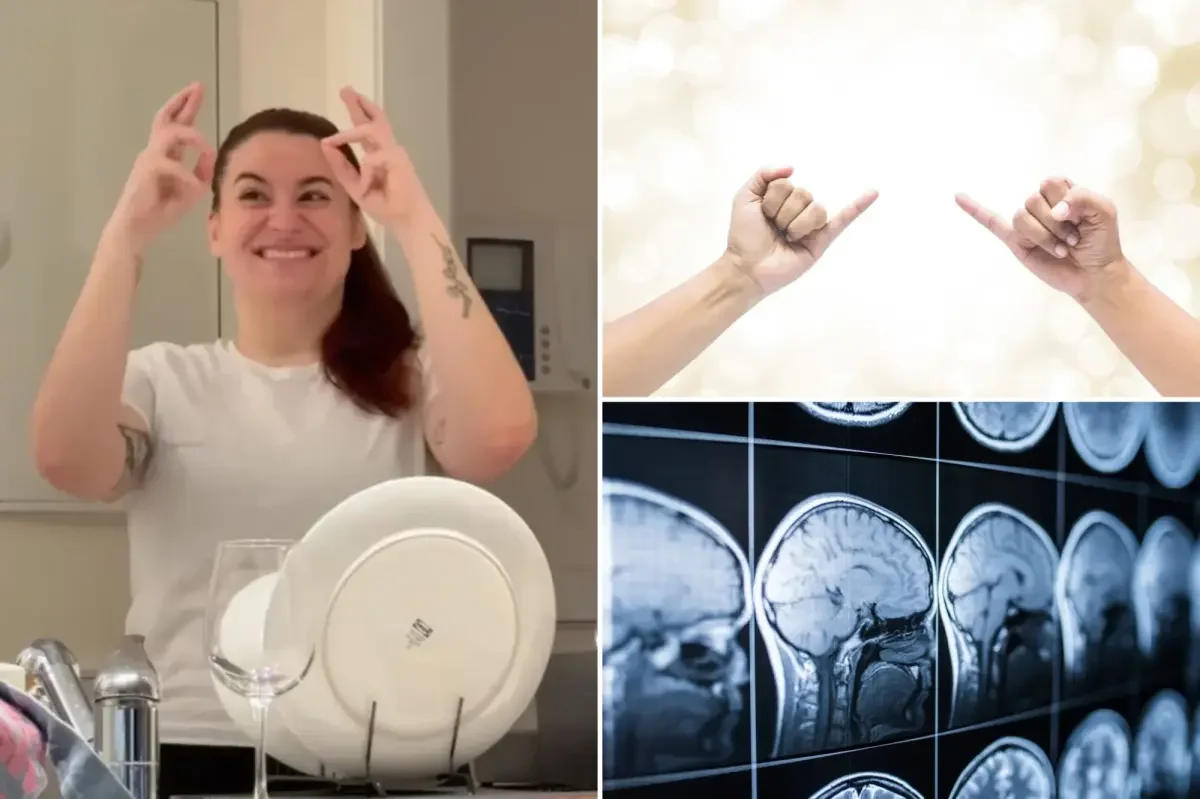
Pinky time myth busted: a simple finger move won't stop dementia

A viral trend promoting a quick pinky wiggle as a cure to prevent cognitive decline isn’t supported by evidence. While learning new finger movements can engage the brain, these tasks are not diagnostic tests nor proven dementia preventers. Real brain health comes from broad lifestyle factors—regular exercise, sufficient sleep, a Mediterranean-style diet, social engagement, good hearing and vision, and lifelong learning—rather than a single quick trick.

Pinky Time Goes Viral as a Tiny Brain-Boosting Trend
health1 month ago

Pinky Time Goes Viral as a Tiny Brain-Boosting Trend

TikTok’s viral “pinky time” shows people wiggling their pinkies as a quick daily exercise claimed to support brain health. While fine-motor tasks and learning new skills can help cognitive function, a 10-second movement isn’t a cure for dementia, and experts caution against diagnosing brain health from a single task. The broader message is that challenging, novel activities—like juggling or other complex moves—can promote neuroplasticity and cognitive resilience with ongoing practice. The piece also notes that dementia affects about 1 in 10 older adults today, with future risk rising to an estimated 42% of Americans over 55 by 2060 and around 1 million new dementia diagnoses annually, underscoring the value of regular brain-healthy activities.