Utah jury deliberates in Kamas mother's poisoning case
Jurors are deliberating the murder trial of a Kamas woman accused of fatally poisoning her husband.
All articles tagged with #poisoning
Jurors are deliberating the murder trial of a Kamas woman accused of fatally poisoning her husband.

A Washington Post veterinary column warns that common household items—especially during Easter—can poison pets, including cut flowers, chocolates, and sago palms, with other hazards like raisins, ibuprofen, and pennies. It emphasizes that delays in treatment can be fatal and outlines the importance of recognizing indoor toxins and seeking prompt veterinary care when exposure occurs.

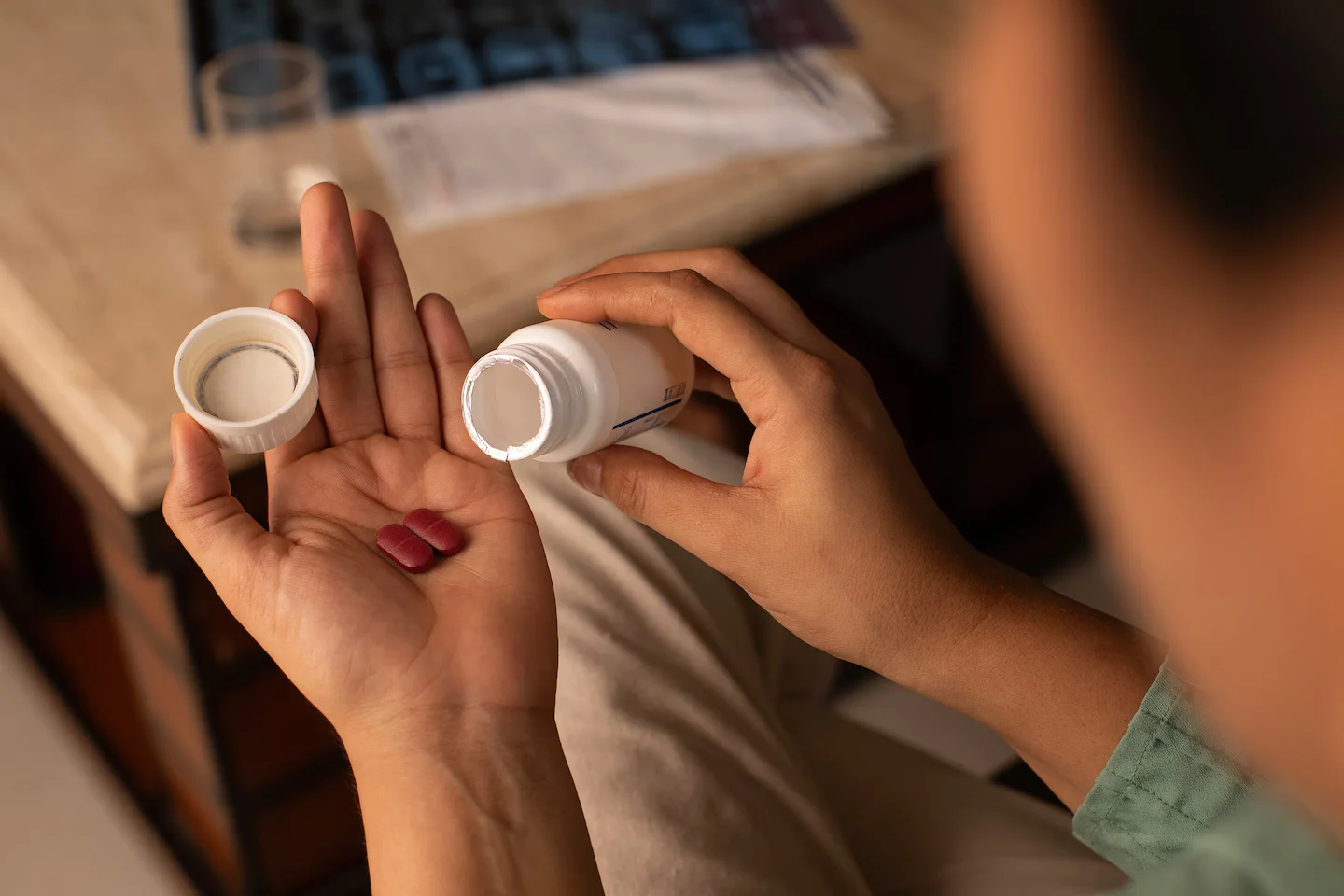
Prosecutors in Park City, Utah, say Kouri Richins, a Utah author, killed her husband to obtain his money; opening statements in the murder trial outlined the motive and introduced evidence such as a pill bottle image and her husband’s internet searches, as the defense contends with the case ongoing.

Britain and four European partners concluded Navalny was poisoned with a lethal toxin—most likely epibatidine—after analyses of his body, contradicting Russia’s denial of natural death. Epibatidine is extraordinarily potent and hard to detect, prompting speculation about why such an exotic toxin would be used in a high-profile case and whether it could have been a testing signal or a warning. The report adds to a pattern of poisoning allegations against opponents of the Kremlin, though experts note practical reasons for using such a rare toxin would be unusual in custody.

Experts debate whether the exotic frog toxin epibatidine used in Navalny's poisoning was a deliberate political signal from Russia or a deniable murder, noting its extreme potency, no known antidote, and the possibility of testing capabilities rather than sending an overt message.

European partners say Alexei Navalny died in a Siberian prison from epibatidine, a highly toxic compound found in the skin of Ecuadorian poison-dart frogs; labs reportedly detected the toxin and a joint statement said poisoning was highly likely, though Russia calls the findings Western propaganda. If confirmed, the use would violate the BTWC and CWC and imply deliberate administration by Russia.

U.S. Secretary of State Marco Rubio called a joint assessment by France, Germany, the Netherlands, Sweden and the United Kingdom that Navalny was poisoned by a toxin from a poison-dart frog 'troubling,' even as Moscow denies the charges. The U.S. did not join the statement, though Rubio said he does not dispute the outcome. Rubio is on a Slovakia–Hungary trip, meeting with leaders including Viktor Orbán to bolster ties ahead of Hungary’s April election.

Five European countries said Navalny was poisoned with epibatidine, a toxin from poison-dart frogs, indicating Kremlin involvement; they reported the case to the OPCW. Navalny died in 2024 in a Russian penal colony, while Russia denies the accusation and his widow says Putin is responsible.

Five European foreign ministries said European labs conclusively detected epibatidine, a rare toxin from poison‑dart frogs, in Navalny’s body and asserted Russia had the means, motive and opportunity to poison him; they plan to report the case to the OPCW for a breach of the Chemical Weapons Convention. Navalny died in 2024 in a Russian Arctic penal colony, and his widow has urged accountability while Russia denies involvement. Epibatidine can be lab‑made and acts like a nerve agent, though investigations into the poisoning remain politically charged and ongoing.

Five European countries say it is highly likely Alexei Navalny’s death in a Russian prison was caused by a rare toxin found in poison-dart frogs, arguing Russia had the means, motive, and opportunity to administer the deadly dose on the two-year anniversary of his death.

At the Munich Security Conference, Britain and European allies said Navalny was killed by a toxin derived from epibatidine, found on his body two years after his death in a Siberian penal colony, and argued only the Russian state had the means, motive and opportunity to carry out the poisoning. Moscow denied the claim as misinformation. Navalny’s widow welcomed the findings, the UK has informed the OPCW of a suspected Chemical Weapons Convention breach, and the case—following his 2020 Novichok poisoning and 2024 death—continues to heighten tensions over Russia’s political opposition.

Britain, France, Germany, Sweden and the Netherlands say Navalny was likely poisoned with epibatidine, a toxin from South American poison-dart frogs, in a Russian prison, challenging Moscow’s natural-causes explanation and suggesting Kremlin involvement.

A spike in death cap mushroom poisonings in California has killed four people and led to three liver transplants. Officials warn that foraging is dangerous because death caps resemble edible varieties and color or cooking cannot indicate safety. A warm, rainy season contributed to a widespread proliferation of the mushrooms in parks and forests, especially near oak trees. Exposures span diverse communities, with warnings issued in multiple languages. People are advised to avoid wild mushrooms, purchase edible mushrooms from trusted sources, and seek urgent medical help if ingestion is suspected. Poison centers report a rise in mushroom exposures overall.

A French court sentenced Dr. Frederic Pechier to life in prison for poisoning 30 patients, including children, with 12 fatalities, in an attempt to discredit colleagues and demonstrate his resuscitation skills. The case highlights serious concerns about medical misconduct and patient safety in France.

A French court sentenced former anaesthetist Frédéric Péchier to life imprisonment for poisoning 30 patients, resulting in 12 deaths, between 2008 and 2017 in Besançon clinics. He contaminated infusion bags with lethal substances, though he initially denied involvement, later admitting to the presence of a poisoner in his workplace. He plans to appeal the verdict.