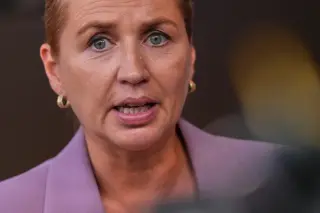
Danish Prime Minister Mette Frederiksen publicly criticized unsolicited beauty advice directed at her on Instagram, highlighting the intersection of social media culture and political leadership.
Delcy Rodríguez, Venezuela's vice president and key political figure, has become de facto leader following Maduro's capture, with the US indicating it may recognize her as a leader but not officially. She remains a prominent chavismo figure, strongly opposing US actions and asserting Venezuela's sovereignty amid ongoing political turmoil.
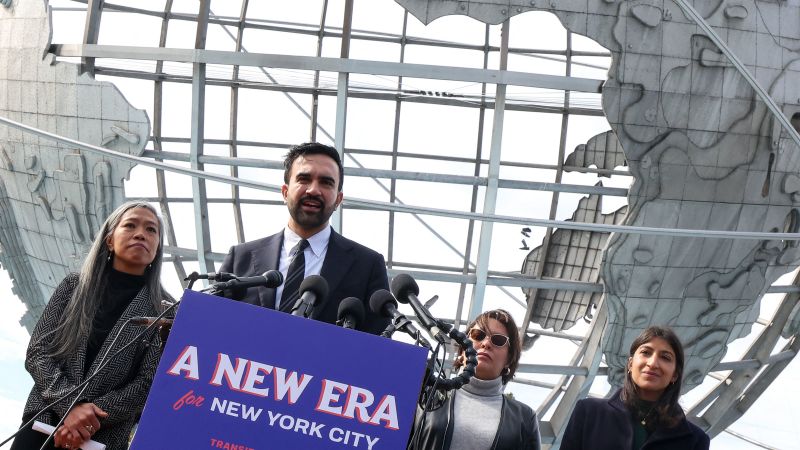
Zohran Mamdani, the mayor-elect of New York City, announced an all-female transition team including former FTC Chair Lina Khan, signaling a focus on progressive policies and anti-oligarchy measures. He emphasized broad outreach for his team, called for renewed donations to fund the transition, and expressed openness to dialogue with President Trump to address city issues.
The Kuomintang (KMT) in Taiwan has selected Cheng Li-wun, an upstart, as its new leader, signaling a shift away from the traditional old guard within the party.
Outgoing French Prime Minister has indicated that President Emmanuel Macron may appoint a new Prime Minister within the next 48 hours, signaling a potential change in government leadership.
Japan's ruling Liberal Democratic Party elected Sanae Takaichi, a conservative and China hawk, as its new leader, making her likely to become the country's first female prime minister amid political and diplomatic challenges, including strengthening the U.S.-Japan alliance and addressing domestic issues.
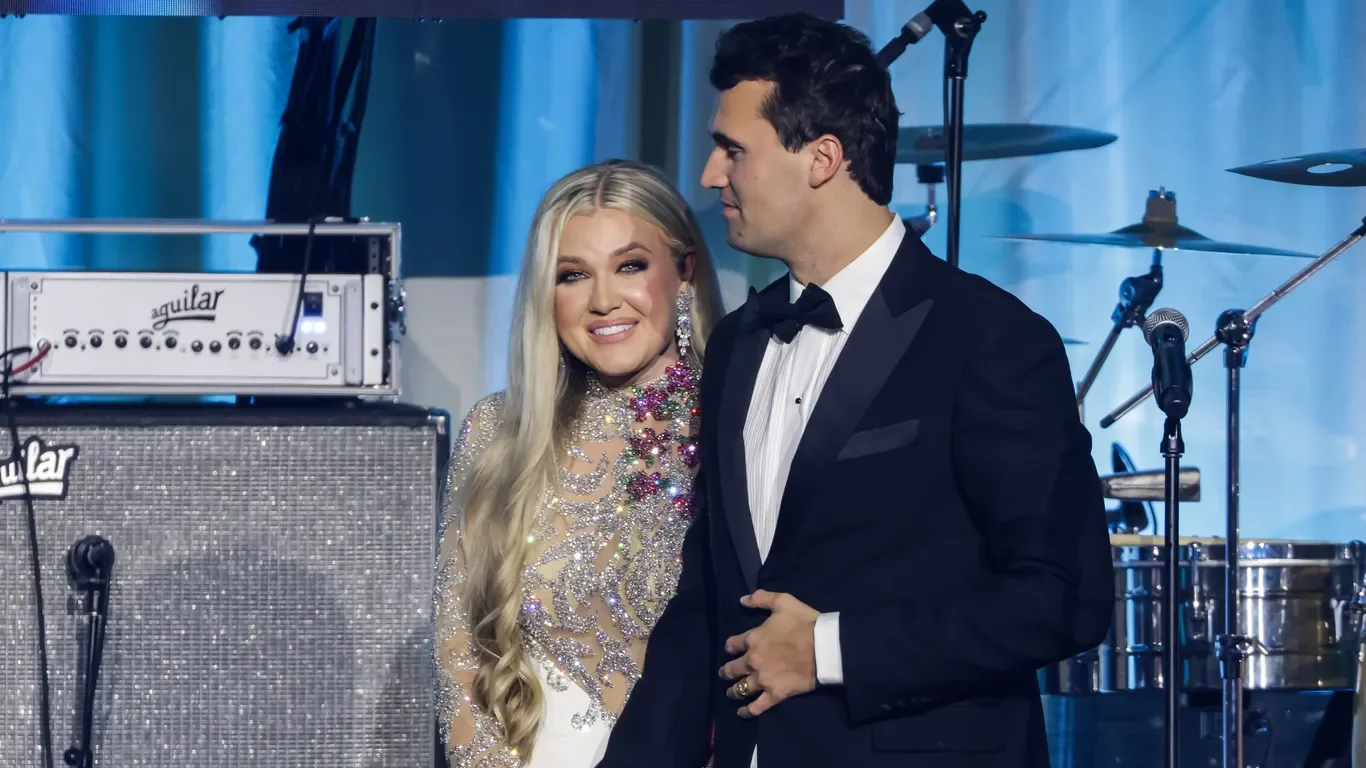
Erika Kirk, widow of slain activist Charlie Kirk, has been appointed as the new CEO of Turning Point USA, continuing her husband's influential work in youth political activism and maintaining the organization's momentum after his death.
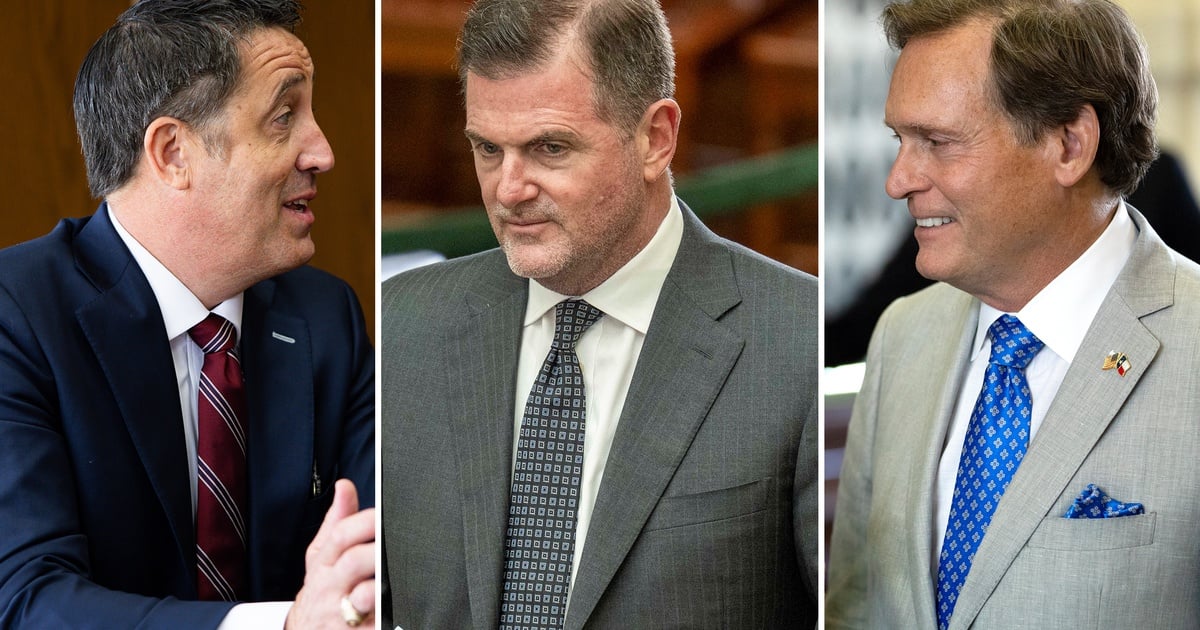
Texas universities are increasingly appointing politicians as leaders, with recent examples including Texas Tech's new chancellor, Sen. Brandon Creighton, reflecting a shift towards political savvy over academic credentials, which experts warn could impact university independence and research.
Rep. Robert Garcia has announced his bid to become the next ranking member of the House Oversight Committee, positioning himself as a younger alternative in a contest that highlights the ongoing generational divide within the Democratic Party, with several senior members also vying for the role.
The chair of the Wisconsin Democratic Party, Ben Wikler, asserts that he is the right person to rejuvenate the party, which is currently facing challenges. Wikler's leadership is seen as crucial in revitalizing the party's efforts and strategies in the state.
As a wave of congressional retirements hits the House, current members are urging their departing colleagues to reconsider, warning that their departure will further weaken the institution and leave it in the hands of those ill-equipped to govern. Lawmakers from both parties emphasize the importance of institutional memory and the need for capable, dedicated legislators to preserve democracy and address the challenges facing the country. They appeal to patriotism, ambition, and the duty to serve a cause greater than oneself, urging departing members not to let the "bad guys" win and to stay and fight for a better future.
The author argues against age limits for political leaders, emphasizing the value of experience and the lack of evidence that younger politicians are better equipped to govern. While acknowledging cases where age-related issues may disqualify individuals, the author suggests that a cognitive test would be a more reasonable measure than an arbitrary age limit. Ultimately, the author believes that voters have the power to choose their leaders and should exercise it if they believe someone is unfit for office.
Mitch McConnell's recent decision to block a bipartisan commission to investigate the January 6 Capitol riot has raised concerns about the influence of older politicians in the US. Critics argue that McConnell's actions highlight the need for new, younger leadership and a shift away from what some perceive as a gerontocracy in American politics. The incident has sparked a broader conversation about ageism and the impact of older politicians on the country's future.