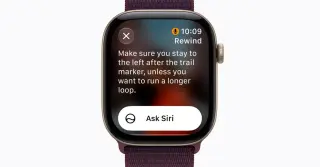
Apple’s new Watch features, Live Rewind and Siri Recap, process audio to create transcripts and summaries. While Apple claims data is processed locally and deleted immediately, legal experts and critics argue these capabilities may violate two-party consent laws in several US states, raising significant privacy questions for bystanders.
A federal appeals court (D.C. Circuit) refused to revive DHS's revamped Systematic Alien Verification for Entitlements (SAVE) database, ruling the department failed to raise central Social Security Act arguments in time and keeping the system disabled nationwide. The overhaul, intended to curb noncitizen voting, drew privacy and accuracy concerns. A separate Florida-led case by several states seeks to reinstate specific features, while the 11th Circuit review remains pending, leaving the broader legal battle over the database unresolved and with potential for further appeals, including to the Supreme Court.
Governor Newsom signed AB 2624 expanding address-protection for immigration-service workers. Supporters say it shields workers from doxxing, while critics warn it could hinder journalists and investigations, fueling a looming First Amendment fight with Republicans urging DOJ intervention. The law, branded by critics as the “Stop Nick Shirley Act,” is set to take effect Oct. 1, 2027, and is likely to face legal challenges.
Silicon Valley is driving neurotechnology from lab experiments to everyday life, aiming to decode—and potentially alter—brain signals through invasive implants and noninvasive wearables. This surge raises urgent privacy and human-rights concerns about mental privacy, personal identity, and autonomous decision-making as brain data could be mined by advertisers, employers, and tech giants. Legal wins like Colorado’s neurodata law and UNESCO discussions echo calls for global protections, while researchers warn that consumer devices and workplace monitoring could turn thoughts into a new data commodity within a decade unless safeguards are established.
A Columbia Law–led study of nine bossware (workplace-monitoring) tools found all of them share worker data with third parties, including major ad platforms like Facebook, Google, and Microsoft, expanding data flows beyond employers and raising privacy and potential discrimination concerns. Researchers call for a bright-line ban on sharing, limits on collecting sensitive data, and stronger state/federal privacy enforcement to curb this ongoing surveillance.”
Eight people were killed in the Tumbler Ridge shooting after OpenAI’s automated review system flagged the shooter’s ChatGPT account months earlier for violent discussions; OpenAI banned the account but did not refer the case to police because it didn’t meet a then-threshold. The incident highlights a broader Canadian AI governance vacuum: there is no binding national framework to require referrals of flagged AI interactions to authorities, no independent triage body, and privacy laws ill-suited to probabilistic threat indicators. With Bill C-27 (AI Act) and Bill C-63 (Online Harms) stalled, Canada relies on voluntary codes and faces ambiguity about disclosures. The piece calls for a binding, multidisciplinary framework, an independent digital safety commission, modernized privacy rules, and renewed international AI-regulation efforts to prevent future tragedies.
Elizabeth Hurley testified in a UK High Court privacy case accusing Associated Newspapers Ltd, publisher of the Daily Mail and Mail on Sunday, of covert information gathering including landline tapping and secretly recording conversations, and placing microphones on her home windowsill; she is part of a seven-claimant group alleging unlawful information gathering, alongside figures like Elton John and Prince Harry, while ANL denies wrongdoing and argues sources were legitimate; the court is weighing how the information was obtained and whether any claims are time-barred as the trial continues.
California has launched the Drop platform, a government tool allowing residents to request the deletion of their personal data from 500 data brokers, aiming to give Californians more control over their information and reduce unwanted communications, as part of the state's new privacy law, the Delete Act.
Disney agreed to pay a $10 million fine for collecting children's data on YouTube without proper designation of videos as 'Made for Kids,' violating federal privacy laws. The company will improve its video classification practices and adopt age verification technology to comply with the Children's Online Privacy Protection Act.
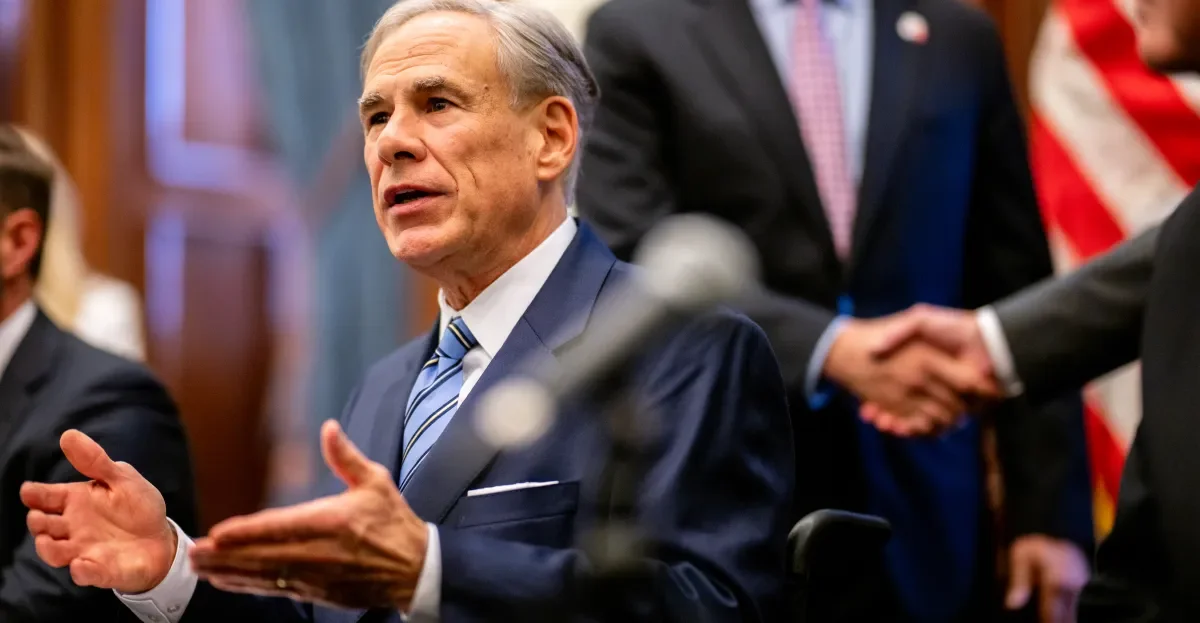
Texas Governor Greg Abbott is withholding emails with Elon Musk and his companies, citing privacy laws that protect 'intimate or embarrassing' information, amid investigations into Musk's influence in Texas politics and business.
The notice informs Virginia residents about their privacy rights under state law, offering options to opt out of data sale and full site features, with instructions to manage preferences or update location for non-residents.
eFinancialCareers has temporarily blocked access from mainland China to comply with the new Personal Information Protection Law (PIPL) that came into effect on November 1st. The company is assessing the law's implications on its business and is committed to adhering to privacy regulations in its operating regions. For inquiries, users are encouraged to contact eFinancialCareers support.
eFinancialCareers has temporarily blocked access to its services from mainland China following the implementation of China's Personal Information Protection Law (PIPL) on November 1st. This measure is part of the company's efforts to comply with the new privacy regulations while assessing their impact on its operations. Users with questions are encouraged to contact eFinancialCareers support.
Maryland is set to enact one of the toughest comprehensive privacy laws among U.S. states, with broad data minimization standards, a ban on sensitive data sales, universal opt-out mechanisms, and protections for children's data. The bill's unique aspects include a limited 60-day right to cure that sunsets in 2027 and attorney general discretion over its application. The legislation represents a significant departure from other state privacy laws and is expected to have a substantial impact on businesses and consumers.
Police in Quebec warned residents about violating alleged thieves' privacy by posting porch pirate videos online, citing Canadian laws on the "violation of private life." The reminder came after a community reported an increase in stolen packages. Lt. Benoit Richard emphasized that sharing such footage could lead to legal issues, including defamation, and recommended turning video evidence over to the police for investigation.