
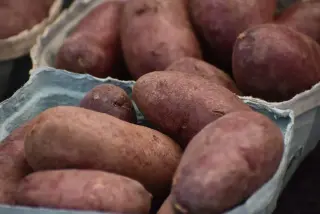
The Purple Potato and Okinawa’s Longevity: A Piece of the Puzzle, Not the Whole Answer
In mid-20th-century Okinawa, a purple sweet potato (beni-imo) and other staples supplied the majority of calories (roughly 69% from the imo, about 1,785 daily calories with an 85/9/6 macro split), and villages with higher imo consumption had more centenarians. But the tuber’s color and dominance were more nuanced historically (varieties varied and the purple branding is retroactive), and a single food is unlikely to explain longevity. After 1945, Western imports displaced imo, coinciding with a decline in longevity advantage. The broader picture points to multiple factors—plant-forward diets, physical activity, social networks, and genetics—with data-quality caveats (possible miscounts of centenarians) complicating any causal claim. The popular “Blue Zones” framing is thus more branding than definitive science.