Longevity researcher Dan Buettner identifies purified water, black coffee, and red wine as the three most common beverages in global blue zones, citing their potential links to lower rates of chronic disease and heart conditions.
Debra Coltune, a food critic, moved from Las Vegas to the Italian island of San Pietro after discovering its status as a 'Blue Zone' known for exceptional longevity. She relocated with her children and dogs within a year of visiting, citing the island's plant-centered diet and slower pace as key factors in her decision to leave her previous high-stress lifestyle.
Longevity researcher Dan Buettner argues that owning a dog is a primary strategy for extending life. He cites studies showing dog owners have a 24% lower risk of all-cause mortality and up to 33% lower risk of death after a cardiac event. The benefits stem from increased daily walking, reduced stress hormones, and decreased social isolation.
In mid-20th-century Okinawa, a purple sweet potato (beni-imo) and other staples supplied the majority of calories (roughly 69% from the imo, about 1,785 daily calories with an 85/9/6 macro split), and villages with higher imo consumption had more centenarians. But the tuber’s color and dominance were more nuanced historically (varieties varied and the purple branding is retroactive), and a single food is unlikely to explain longevity. After 1945, Western imports displaced imo, coinciding with a decline in longevity advantage. The broader picture points to multiple factors—plant-forward diets, physical activity, social networks, and genetics—with data-quality caveats (possible miscounts of centenarians) complicating any causal claim. The popular “Blue Zones” framing is thus more branding than definitive science.
Fitness influencer Will Tennyson tests the Blue Zone diet for seven days, focusing on all-natural, single-ingredient foods with a plant-forward approach. He notes improved energy, no brain fog, better gut function, and about 2.5 pounds of weight loss, plus clearer skin, but finds the regime expensive and hard to sustain, and socially challenging; he misses protein bars and dairy yogurt and concludes quality-focused, lower-volume meals can feel more satisfying, though the diet isn’t practical long-term.
In Sardinia’s Nuoro and Ogliastra highlands, men and women reach 100 at nearly the same rate—uncommon in the developed world. The original AKEA study tied this to a history of pastoral work and geographic isolation, helping fuel the “blue zone” idea; in the blue-zone cluster, about 91 of roughly 18,000 people born 1880–1900 reached 100, versus the Sardinian average of 16.6 per 100,000. The popular “purpose, not diet” narrative is a later overlay; while a sense of meaning correlates with longer life, such findings are observational, not proof of causation, and retirement status doesn’t fully explain the Sardinian pattern. Data-quality concerns about blue-zone tallies have been raised, though researchers defend age-validation efforts. The takeaway: staying actively needed and engaged may help longevity, but there’s no universal formula—part biology, part lifestyle, and part data ambiguity.
Five global regions—Okinawa, Sardinia, Ikaria, Nicoya, and Loma Linda—exhibit exceptional longevity not through trends or intense regimens, but via simple daily habits: strong social networks and purpose, traditional or plant-friendly diets, regular light activity, stress management, and a relaxed pace that emphasizes community and meaning.
The article investigates 'nonnamaxxing'—the idea that Italian grandmothers’ active, family‑centered Mediterranean lifestyle, linked to longevity in Blue Zones, can extend life. It notes Gen Z’s trendiness and potential misinterpretations, while emphasizing practical longevity factors like staying active, cooking for others, and strong family ties, alongside the concept of dolce far niente (the sweetness of doing nothing) as a balance between tradition and modern life.
Visual Capitalist maps the health of all 50 U.S. states using 99 indicators from America’s Health Rankings, showing New Hampshire as the healthiest, followed by Massachusetts and Vermont, while Louisiana is last due to factors like food insecurity and low physical activity. The Northeast generally ranks higher than the South, and the piece cites Blue Zones—regions with longer lifespans—as context for healthy living. The rankings are based on z-scores versus the national average, highlighting how social and economic conditions shape health outcomes across states.
Caltabellotta, a mountain town in Sicily, is emerging as a new Blue Zone with residents exhibiting exceptional longevity, attributed to habits like low stress, a Mediterranean diet, strong social bonds, physical activity, and connection with nature. Adopting these lifestyle practices can promote healthier, longer lives.
Recent research suggests that increasing intake of polyphenols—plant compounds found in berries, green tea, coffee, and dark chocolate—may have geroprotective effects, potentially supporting healthier aging and longevity, especially when part of a balanced, plant-rich diet. However, longevity is influenced by multiple factors including lifestyle and genetics, and more research is needed to determine specific intake levels for health benefits.
A health expert highlights five everyday foods—beans, oats, leafy greens, berries, and nuts—that are scientifically linked to increased lifespan and overall health when incorporated into a balanced diet, emphasizing the importance of consistency and lifestyle alongside these foods.
Researchers are exploring how Blue Zone lifestyle principles relate to longevity in four regions of Western Finland, finding that these principles don't always correlate with longer life or better health, and suggesting that factors like environment and culture also play significant roles. The study highlights a potential new Blue Zone in Swedish-speaking Ostrobothnia but emphasizes that long life doesn't necessarily equate to good health, with a growing focus on extending healthspan.
Residents of the 'Blue Zones', regions known for high longevity rates, attribute part of their long lives to a plant-based 'longevity stew' popular in Icaria, Greece. This vegetarian dish, rich in black-eyed peas and vegetables, is praised for its nutritional benefits, including high fiber and essential nutrients. Nutrition expert Helen Bell highlights its role in promoting satiety and aiding weight loss, while emphasizing that a broader lifestyle approach, including diet and social connections, is key to longevity.
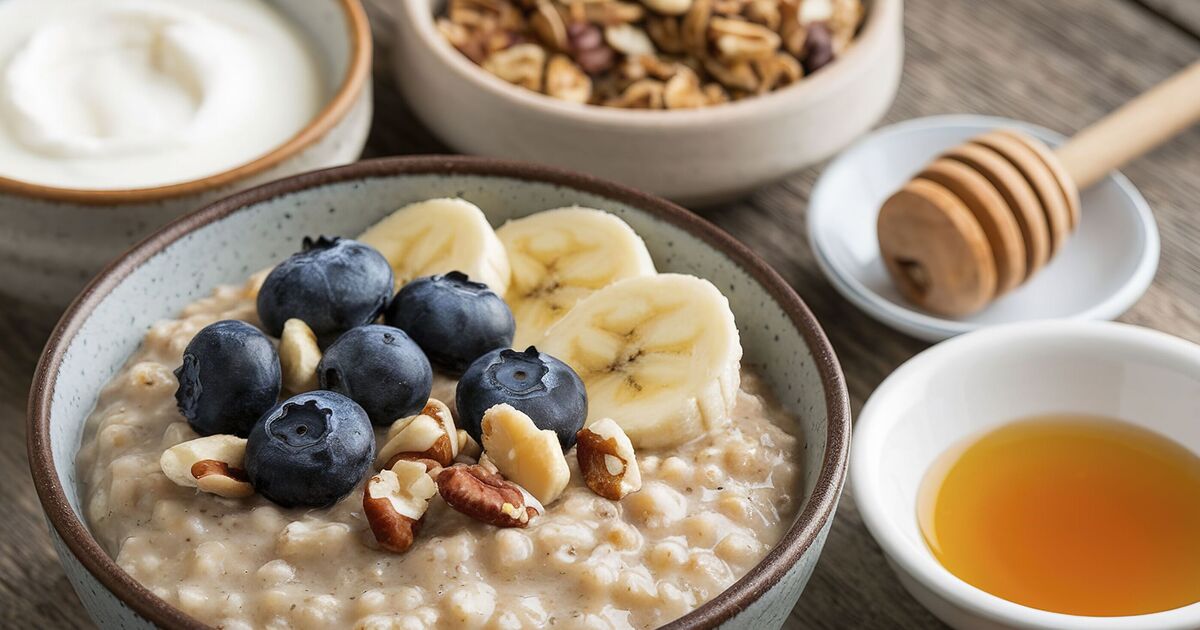
Residents of 'Blue Zones,' regions known for high longevity rates, often include oatmeal in their daily breakfast, attributing it to their long lives. Oatmeal is praised for its health benefits, particularly its beta-gluten content, which may help reduce heart disease risk by lowering cholesterol absorption. Nutritionists recommend oatmeal for its versatility and nutrient-rich profile, making it a staple for those aiming for a longer, healthier life.