Scientists observed phonon focusing, a quantum heat-transport effect, at room temperature in boron arsenide using a nanoscale gold probe. The results show beam-like heat flow at ~27°C, offering a pathway to controllable thermal management and quantum thermal engineering in future electronics.
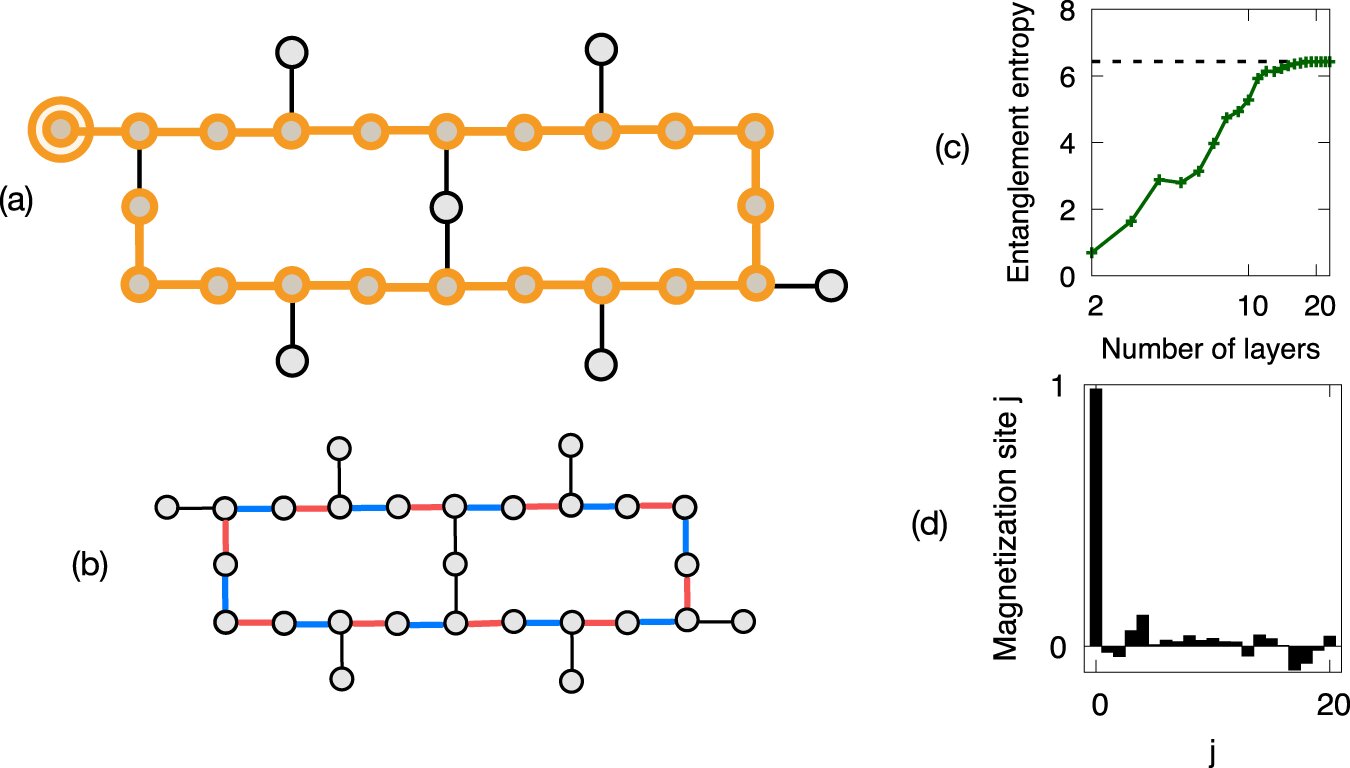
Trinity College Dublin, in collaboration with IBM Dublin, has successfully simulated super diffusion in a system of interacting quantum particles on a quantum computer. This achievement marks a significant step towards performing complex quantum transport calculations on quantum hardware, which could provide new insights in condensed matter physics and materials science. The research, conducted as part of the TCD-IBM predoctoral scholarship program, utilized a 27-qubit quantum computer located in IBM's lab in New York and programmed remotely from Dublin. Quantum simulation allows for the efficient description of complex quantum systems, overcoming the limitations of classical computers. The team focused on simulating the long-time behavior of spin excitations in a Heisenberg chain, observing super-diffusive transport governed by the Kardar-Parisi-Zhang equation.