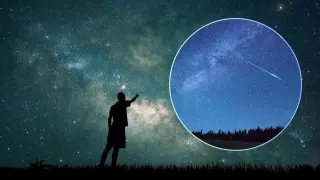
Lyrid Meteor Shower 2026: Your guide to spotting shooting stars under dark skies
Space.com notes that the Lyrids (2026) radiate from Lyra and can deliver up to 15–20 meteors per hour under dark skies; after sunset, locate Lyra with Vega, then scan the surrounding sky for brighter, longer meteors. With the Moon setting after midnight, peak viewing should be dark, so find a wide, unobstructed spot, let your eyes dark-adapt for 20–30 minutes, stay comfortable, and be patient; a stargazing app can help identify Vega and Lyra for easier targeting.