Tag

Lyra

All articles tagged with #lyra

Lyrid Meteor Shower Peaks Tonight With About 10 Meteors Per Hour
science1 month ago

Lyrid Meteor Shower Peaks Tonight With About 10 Meteors Per Hour

Tonight (Tuesday night, April 21, 2026) the Lyrid meteor shower peaks as Earth passes through debris from Comet Thatcher, producing meteors at about 30 miles per second. Expect roughly 10 meteors per hour under dark skies, best viewed after 10 p.m. as Lyra rises in the east; give your eyes 15 minutes to adjust and avoid phone use. The Moon sets after midnight and the radiant climbs higher, with the prime viewing window an hour or two before sunrise. Jupiter will be visible west of the Moon earlier in the evening.
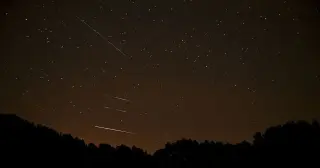
Lyrid Meteor Shower Peaks With 15–20 Meteors Per Hour This April
science1 month ago

Lyrid Meteor Shower Peaks With 15–20 Meteors Per Hour This April

From the night of April 21 into the early hours of April 22, the Lyrids are expected to produce 15–20 meteors per hour under dark skies; the radiant lies in Lyra near Vega, with a crescent Moon causing little interference, so viewing after 10 pm away from light pollution is best. The shower originates from debris of comet C/1861 G1 Thatcher, and the calendar after it features Eta Aquarids, Perseids, Orionids, Leonids, and Geminids (the latter being the most intense).

ISS captures Lyrid meteor shower streaking over Earth
space1 month ago

ISS captures Lyrid meteor shower streaking over Earth

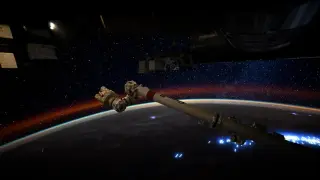
NASA astronaut Jessica Meir photographed the Lyrid meteor shower from the International Space Station as it peaks around April 21–22, showcasing up to 15–20 meteors per hour radiating from the Lyra constellation and originating from debris left by long-period comet C/1861 G1 Thatcher; the image highlights Earth's thin atmosphere and the unique perspective of observing skywatching from space.

Lyrid Meteor Shower Peaks Tonight: Up to 20 Meteors per Hour Under Dark Skies
space1 month ago

Lyrid Meteor Shower Peaks Tonight: Up to 20 Meteors per Hour Under Dark Skies

The Lyrid meteor shower peaks in the early predawn hours of April 22, with observers under dark skies potentially seeing up to 20 meteors per hour as the Moon sets around midnight; the radiant lies in Lyra near Vega, so look northeast and away from lights to catch longer streaks, and the best viewing is before dawn as Lyra climbs. For the strongest show, find a dark location, let your eyes adjust 20–30 minutes, and stay outside for at least an hour (fireballs are possible). If you can’t go outside, live streams of the sky show are available, and the meteors originate from debris left by Comet Thatcher.

Lyrid Meteor Shower: Peak Time and Best Viewing Tips This Week
space1 month ago

Lyrid Meteor Shower: Peak Time and Best Viewing Tips This Week

The Lyrid meteor shower is set to peak around 4 p.m. ET on Wednesday, with prime viewing for the Northern Hemisphere from Tuesday night through dawn Wednesday under a dark sky. To watch, seek out a dark, light-pollution-free area, lie on your back, and give your eyes about 45 minutes to adjust; avoid using your phone to protect night vision. Under favorable conditions you can expect roughly 10–20 meteors per hour, with occasional surges up to 100 per hour (though the next big outburst isn’t until 2040). The shower hails from Comet Thatcher and radiates from Lyra near Vega, and it runs through April 30. A next meteor shower, Eta Aquariids, peaks May 5–6.

Lyrid Meteor Shower Peaks With 10–20 Meteors Per Hour
science1 month ago

Lyrid Meteor Shower Peaks With 10–20 Meteors Per Hour

The Lyrid meteor shower, from debris left by comet Thatcher, is set to peak with 10–20 meteors per hour and will be best viewed in the Northern Hemisphere after midnight; dim crescent moonlight should aid visibility, so find a dark spot away from city lights, let your eyes adjust for 15–30 minutes, and be patient as meteors appear to radiate from Lyra. The Eta Aquarids will follow in early May.

Lyrid Meteor Shower 2026: Your guide to spotting shooting stars under dark skies
space1 month ago

Lyrid Meteor Shower 2026: Your guide to spotting shooting stars under dark skies

Space.com notes that the Lyrids (2026) radiate from Lyra and can deliver up to 15–20 meteors per hour under dark skies; after sunset, locate Lyra with Vega, then scan the surrounding sky for brighter, longer meteors. With the Moon setting after midnight, peak viewing should be dark, so find a wide, unobstructed spot, let your eyes dark-adapt for 20–30 minutes, stay comfortable, and be patient; a stargazing app can help identify Vega and Lyra for easier targeting.

Spring’s Ancient Fireworks: Lyrid Meteor Shower Peaks Next Week
science1 month ago

Spring’s Ancient Fireworks: Lyrid Meteor Shower Peaks Next Week

The Lyrids (April 14–30) originate from Comet Thatcher’s debris and will peak in the predawn hours of April 21–22, typically producing 10–15 meteors per hour. No special gear is needed—just a clear, dark sky away from city lights, and about 15–20 minutes for your eyes to adjust, with the radiant in Lyra near Vega, best viewed from the Northern Hemisphere (some meteors may also be seen from the Southern Hemisphere).

Predawn Lyrids 2026: How, when and where to watch the shooting stars
space1 month ago

Predawn Lyrids 2026: How, when and where to watch the shooting stars

The Lyrid meteor shower runs April 16–25, 2026, peaking in the predawn hours of April 22. Expect about 15–20 meteors per hour (with rare outbursts) from debris of Comet Thatcher (C/1861 G1 Thatcher). The radiant is in Lyra near the Hercules–Lyra border, best viewed from a dark sky before dawn as the Moon sets after midnight. No special equipment is needed—just look up and enjoy.

April Lyrids to blaze across predawn skies with up to 18 meteors per hour
space1 month ago

April Lyrids to blaze across predawn skies with up to 18 meteors per hour

Space.com reports the Lyrid meteor shower peaks overnight April 21–22 with as many as ~18 meteors per hour. The radiant lies near Lyra’s Vega and the debris comes from Comet Thatcher (C/1861 G1). The shower runs April 16–25, best seen in dark, predawn skies away from light pollution after the Moon sets; give your eyes 20–30 minutes to adapt and consider red-light use for viewing and photography.