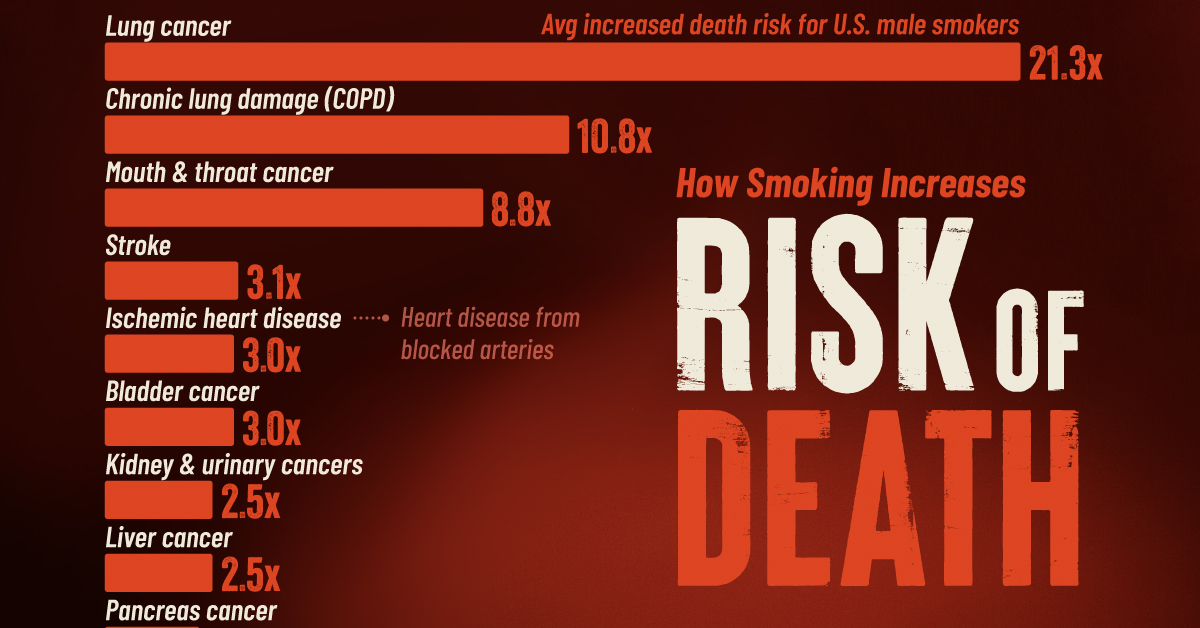
Smoking significantly increases the risk of death from various diseases, with the highest risk for lung cancer (21x), and also raises the likelihood of death from other cancers, heart disease, respiratory issues, diabetes, and infectious diseases, highlighting the importance of tobacco control for public health.
A groundbreaking study from Sweden reveals that people with obsessive-compulsive disorder (OCD) face a significantly higher risk of death, both from natural and unnatural causes. The research, which is reported to be the largest study of mortality in people with OCD, found that individuals with OCD had an 82% increased risk of death, with a three-fold greater risk of dying from unnatural causes. The study also identified specific increased risks for various natural causes of death, such as respiratory system diseases and mental and behavioral disorders. Additionally, women with OCD were found to have a higher relative risk of dying from unnatural causes than men. The researchers emphasized the need for better surveillance, prevention, and early intervention strategies to reduce the risk of fatal outcomes in people with OCD.
Older adults who spend a night in the emergency room before being admitted to the hospital face a higher risk of dying in the facility, according to a study in JAMA Internal Medicine. The study found that patients who had to spend a full night in the ER were more likely to die within 30 days and experience adverse health outcomes. The risk was highest for patients who required assistance with daily functions. The overcrowding of emergency rooms and the vulnerability of elderly patients in the healthcare environment contribute to these risks. Solving the emergency room bottleneck would require systemic changes, including insurance reform and more robust primary care. Family members are encouraged to advocate for patients and ensure a safe environment.
Clinical trial data shows that Novo Nordisk's obesity drug reduces the risk of death by 18%. The drug, semaglutide, was tested on over 2,000 overweight or obese adults with pre-existing cardiovascular disease or type 2 diabetes. The results indicate a significant improvement in cardiovascular outcomes and a reduction in the risk of death compared to the placebo group.
High levels of the protein troponin, typically used to diagnose heart attacks, may indicate an increased risk of death from any cause within a few years, even without obvious cardiovascular disease. A study tracking the survival of 20,000 hospital patients found that those with elevated troponin levels were nearly four times more likely to die compared to those with normal levels. The association between high troponin levels and increased risk of death persisted even after excluding deaths within 30 days, suggesting it is not solely driven by short-term risks. The researchers suggest that troponin could serve as a broader marker for medium-term survival and further research is needed to confirm these findings and evaluate potential interventions.