Tag

Shatter Cones

All articles tagged with #shatter cones

Hike-driven Google Maps find reveals 390-million-year-old meteor crater in Canada
science1 hour ago

Hike-driven Google Maps find reveals 390-million-year-old meteor crater in Canada

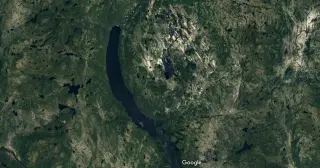
A ~25 km-wide pit spotted on Google Maps in Quebec’s Côte-Nord region has been confirmed as a 390-million-year-old meteor impact crater, named Uhaachatik Crater. Evidence includes visible shatter cones and cliffs of impact melt rock; zircon alone wasn’t proof, so scientists dated the rocks on site. Discovered by amateur Joël Lapointe in 2024, the crater was investigated by Western University’s Gordon Osinski and Pierre Rochette, with the Indigenous community naming it after local people. It’s a rare, sizable Canadian crater, adding to Earth’s known impacts, and researchers plan further study of the samples.

Google Maps stumble uncovers a 390-million-year-old meteor crater in Quebec
science2 hours ago

Google Maps stumble uncovers a 390-million-year-old meteor crater in Quebec

A 15-mile-wide pit spotted on Google Maps in Quebec’s Côte-Nord region has been confirmed as a 390-million-year-old meteor crater. Fieldwork revealed shatter cones and melt rock, with zircon evidence supporting an extraterrestrial origin. The crater, centered near Lake Marsal, has been named Uhaachatik Crater following talks with the Ekuanitshit Innu council, and the team plans to present their findings at a German conference.

Google Maps stumble reveals 390-million-year-old meteor crater in Quebec
science17 hours ago

Google Maps stumble reveals 390-million-year-old meteor crater in Quebec

An amateur using Google Maps spotted a pit in Quebec’s Côte-Nord that turned out to be a 390-million-year-old meteor crater named Uhackatik, about 25 km across. A four-person team confirmed the site in 2025 after a rugged field expedition, finding impact melt rock and shatter cones as evidence. The discovery ranks among the larger craters identified in recent years and will be presented at the Meteoritical Society congress in Germany.

Scientists Disprove 'Earth's Oldest Impact Crater'
science1 year ago

Scientists Disprove 'Earth's Oldest Impact Crater'

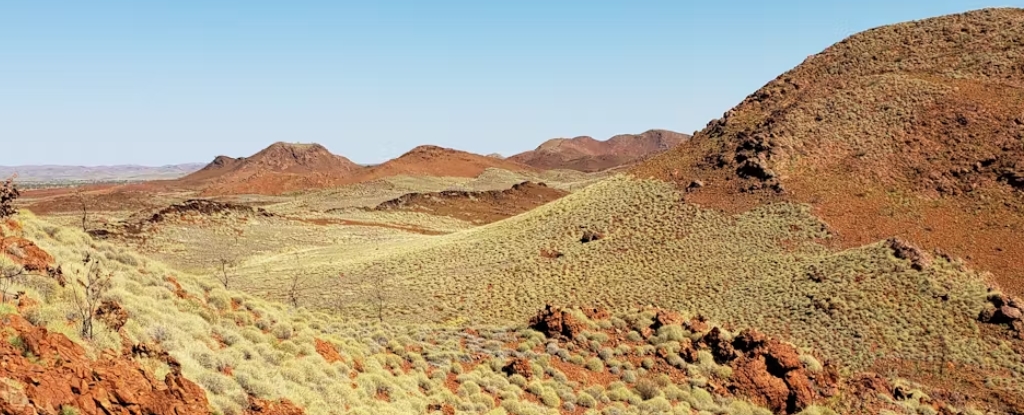
Scientists have revised the age and size of the Miralga impact crater in Western Australia, determining it formed between 2.7 billion and 400 million years ago and is about 16 km in diameter, challenging earlier claims that it was 3.5 billion years old and over 100 km wide. The discovery provides insights into Earth's early impact history and has implications for planetary science, including Mars exploration.