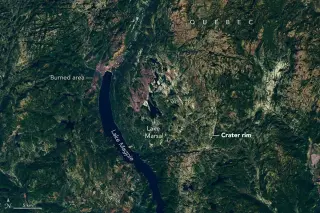
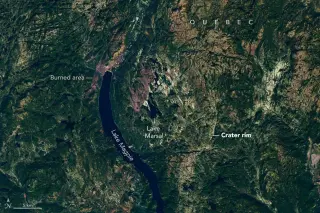
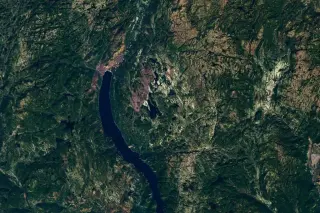
A 25-kilometer impact crater in Quebec, dated to 390 million years ago, was identified by an amateur astronomer and confirmed by scientists, marking the largest terrestrial impact structure found since 2018.
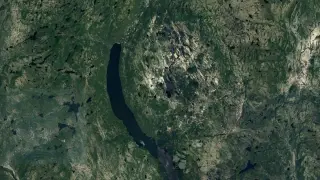
Amateur astronomer Joël Lapointe identified a circular feature near Lake Marsal in Quebec’s Côte-Nord region while planning a camping trip in 2024. His inquiry led to a 2025 expedition by planetary geologist Gordon Osinski and colleagues, who confirmed the site as a 25-kilometer impact crater formed approximately 390 million years ago. The discovery, provisionally named Uhackatik, is the largest confirmed impact structure found since 2018 and awaits formal recognition by the Meteoritical Society.
A Quebec amateur flagged a 25-km circular feature near Lake Marsal in 2024 via satellite imagery; a 2025 field expedition confirmed it as a large impact crater with shatter cones and melt rock, dating to about 390 million years ago (Devonian). Provisionally named Uhackatik, it awaits formal recognition and could be the largest terrestrial crater confirmed since 2018’s Hiawatha; the find provides direct evidence for impact processes crucial to planetary geology.
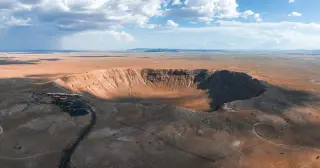
Daniel Barringer, a Philadelphia mining engineer, bet his fortune that Arizona’s Meteor Crater hid a massive iron meteorite beneath the floor and spent 26 years drilling for it. He never found the treasure, and the meteorite was largely vaporized on impact, a reality science would prove later. The crater became the first proven meteorite impact site, the Barringer family still owns it, and today Meteor Crater operates as a private, profitable tourist site built around the very story of the supposed fortune.
Amateur astronomer Joël Lapointe spotted a circular depression on Google Maps in northern Quebec, sparking investigation that led scientists to confirm it as a 390-million-year-old meteorite impact crater named Uhackatik, following evidence of shatter cones and impact melt rocks. The crater, about 25 km wide, predates dinosaurs and offers a window into early terrestrial life. A 2025 expedition and collaboration with the Ekuanitshit Innu council culminated in naming the site and solidifying Canada’s newest crater discovery since 2010, illustrating how citizen observations can contribute to deep-time geology.
A ~25 km-wide pit spotted on Google Maps in Quebec’s Côte-Nord region has been confirmed as a 390-million-year-old meteor impact crater, named Uhaachatik Crater. Evidence includes visible shatter cones and cliffs of impact melt rock; zircon alone wasn’t proof, so scientists dated the rocks on site. Discovered by amateur Joël Lapointe in 2024, the crater was investigated by Western University’s Gordon Osinski and Pierre Rochette, with the Indigenous community naming it after local people. It’s a rare, sizable Canadian crater, adding to Earth’s known impacts, and researchers plan further study of the samples.
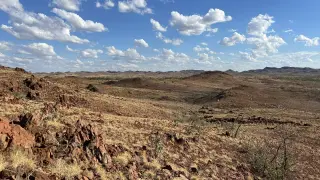
A new study dates minerals from the North Pole Dome crater in Western Australia to about 3.0 billion years ago, down from the earlier 3.47 billion-year estimate. While still the oldest known impact crater on Earth, it is roughly 800 million years older than the next-oldest confirmed crater, Yarrabubba. The researchers used zircon and other minerals in shatter cones and a shocked quartz vein, noting that later tectonic and thermal activity could produce younger features, which helps explain why previous dating may have overestimated the age.
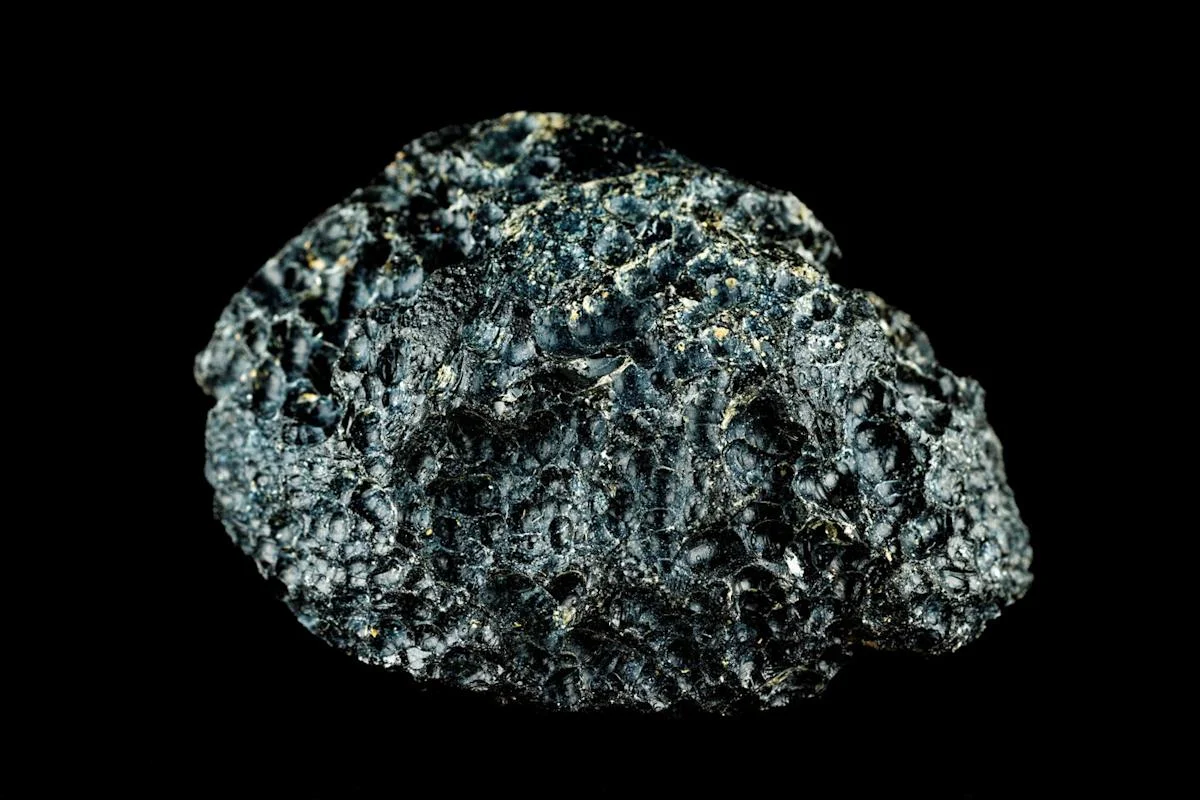
An international team reports a 900-kilometer tektite strewn field in Minas Gerais, Brazil, dating to as much as 6.3 million years ago, evidence of a large meteorite impact, but the crater has not yet been found; researchers hope magnetic and gravimetric studies will reveal its ring-shaped footprint near the field.
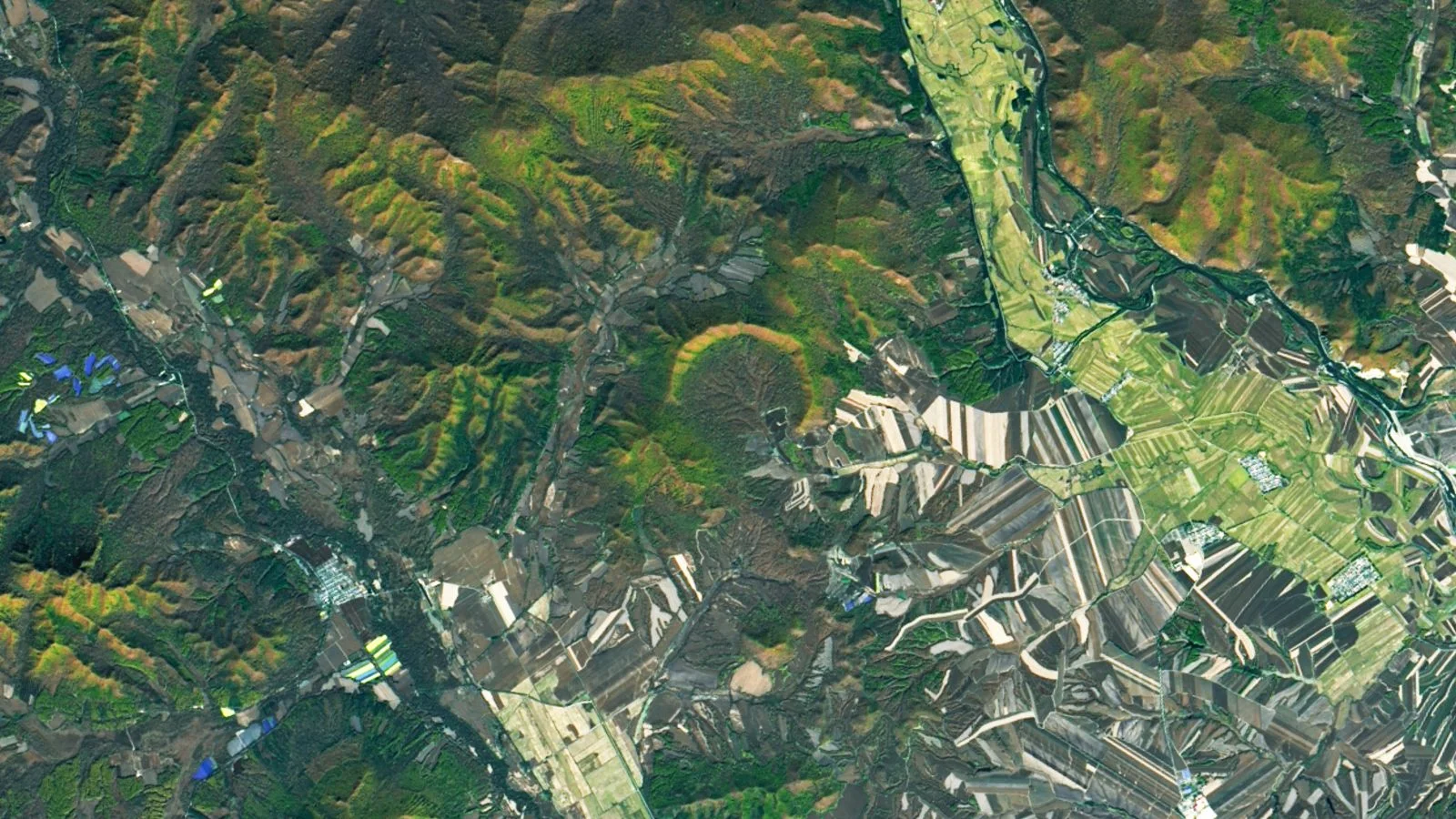
A 1.15-mile-wide, incomplete crater in Heilongjiang, China—the Yilan crater—is believed to be the youngest major impact structure on Earth, dating roughly 46,000–53,000 years ago. Discovered in 2021 after forest cover concealed it, the ringed feature is the largest known crater of its age and could be younger than Barringer Crater, though age estimates remain uncertain.
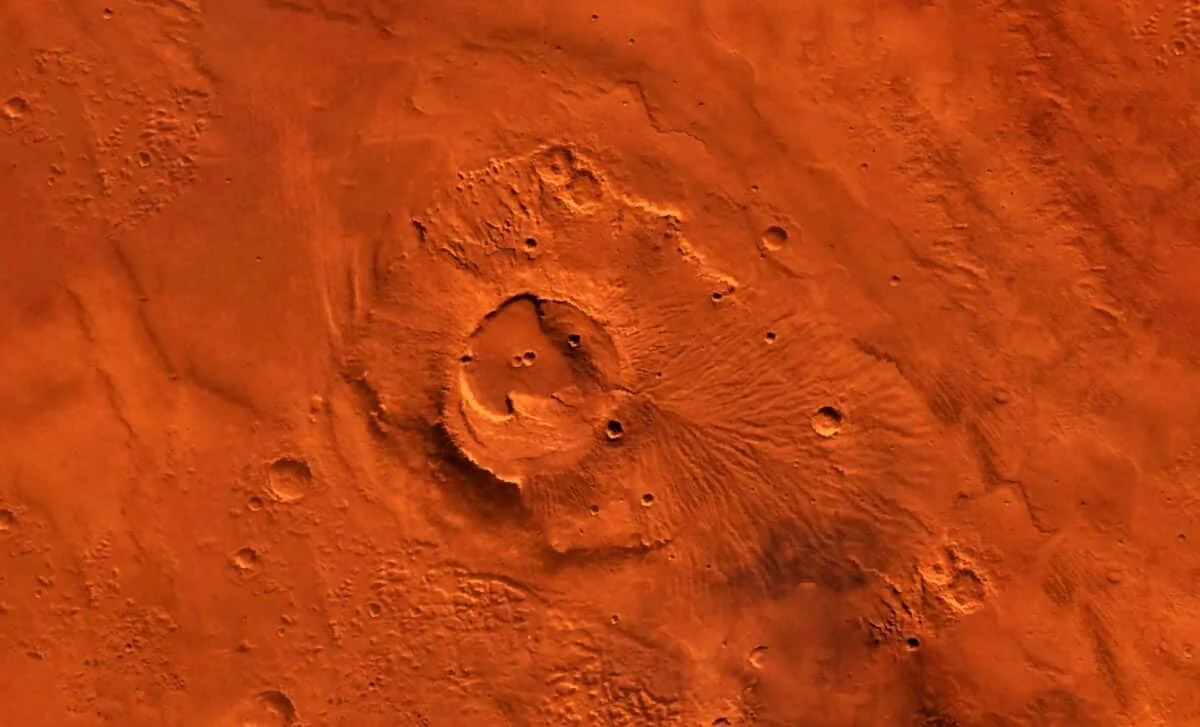
NASA's Mars Reconnaissance Orbiter captured a striking image of a recent impact crater on Mars, revealing a dramatic blast zone and ejecta pattern, providing valuable insights into Martian surface changes and impact frequency.
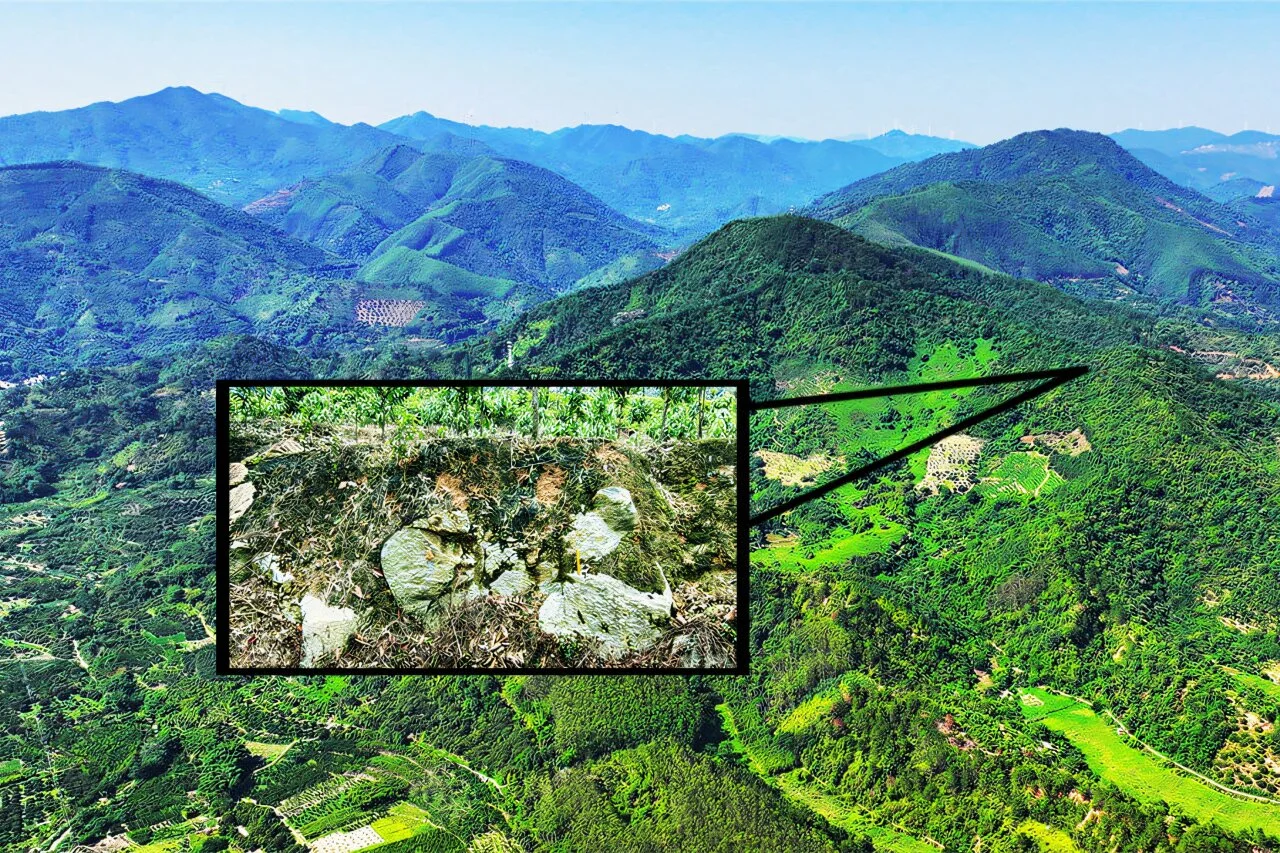
Scientists in China have discovered the Jinlin crater, the largest known impact crater from the Holocene epoch, measuring 900 meters in diameter and remarkably well-preserved despite environmental conditions, shedding new light on Earth's impact history and the frequency of extraterrestrial collisions.
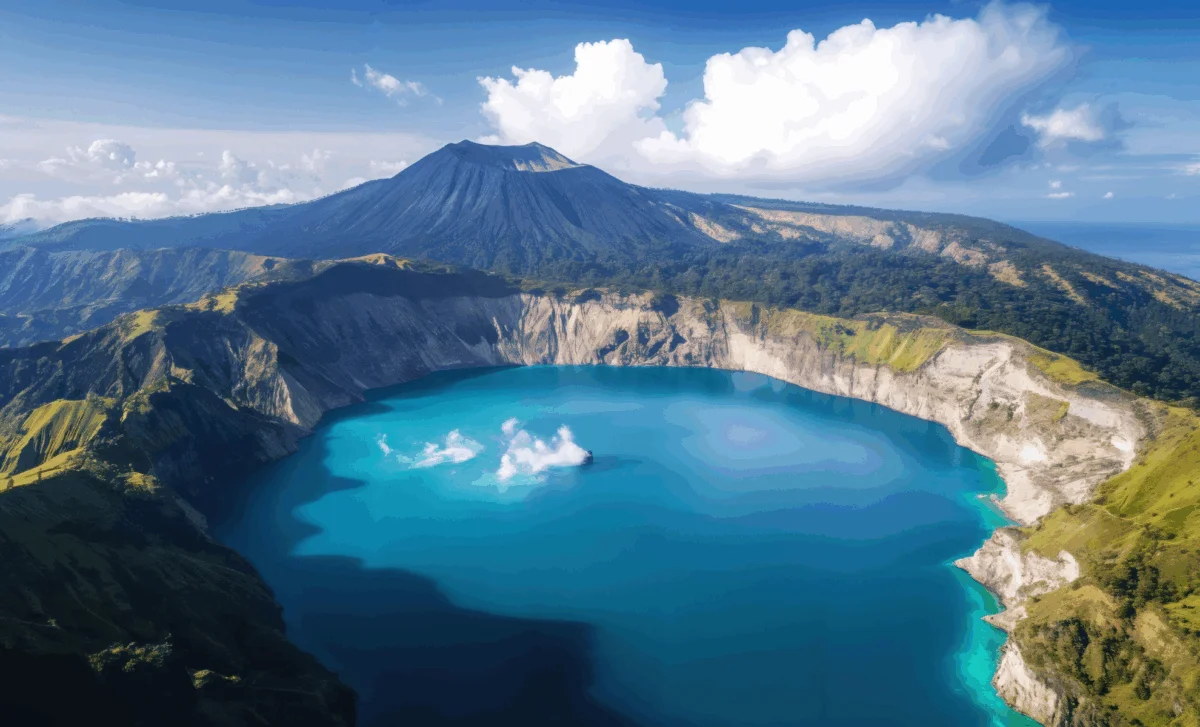
Four million years after an asteroid impact created Finland's Lake Lappajärvi, microbial life had already begun to recolonize the crater's rocks, demonstrating rapid biological resilience and suggesting impact sites elsewhere, like Mars, could also harbor ancient life.
Researchers studying the Lake Lappajärvi impact structure in Finland found evidence that microbes colonized the site roughly 4 million years after the asteroid impact, revealing how quickly life can establish in post-impact environments and providing insights into early life on Earth and potential extraterrestrial habitats.
A new study confirms that the Silverpit Crater in the North Sea was formed by a cosmic impact around 50 million years ago, creating a deep crater and a massive tsunami, supported by seismic imaging and shocked mineral evidence, settling a long-standing debate over its origin.
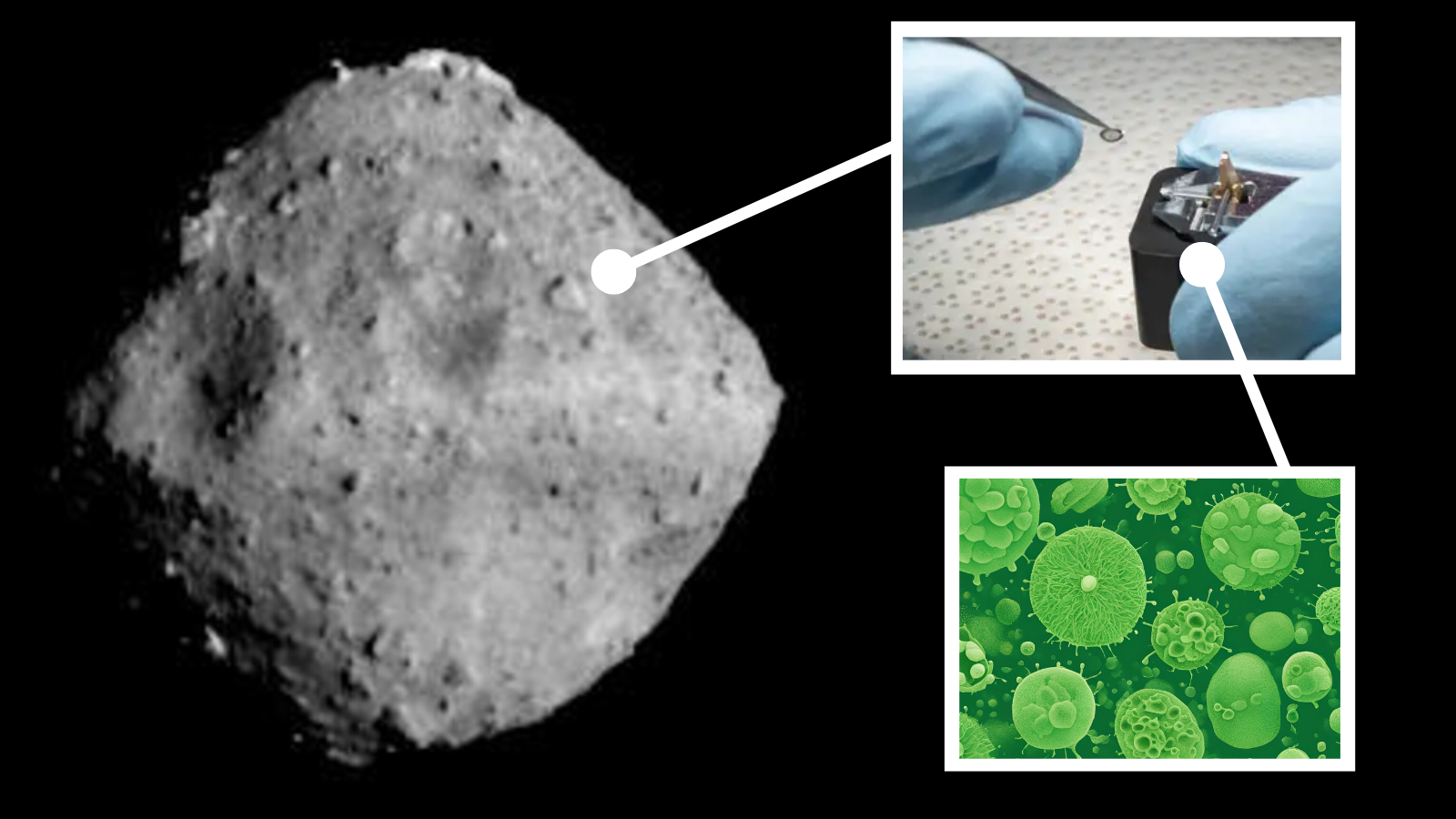
Researchers have precisely dated the colonization of microbial life in the hydrothermal system of a 78-million-year-old impact crater in Finland, showing microbes thrived for millions of years after the asteroid impact, providing insights into life's resilience and implications for astrobiology.