
A skeletal biology researcher explains that the human skeleton is a dynamic structure, not a static one. Around menopause, biological changes can lead to bone loss that often occurs without pain or obvious warning signs.
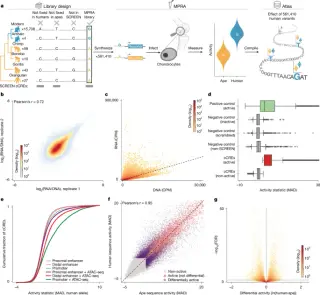
A comprehensive study in Nature maps how human-specific genetic changes in gene-regulatory regions led to a significant reduction in glycosaminoglycan (GAG) content in human joints. By analyzing over 560,000 DNA variants, researchers found that humans have approximately 62% less GAG in their cartilage compared to non-human apes. This evolutionary shift, which shows signs of natural selection, likely contributed to the development of human skeletal morphology but also explains why humans are far more susceptible to degenerative joint diseases like osteoarthritis than other great apes.