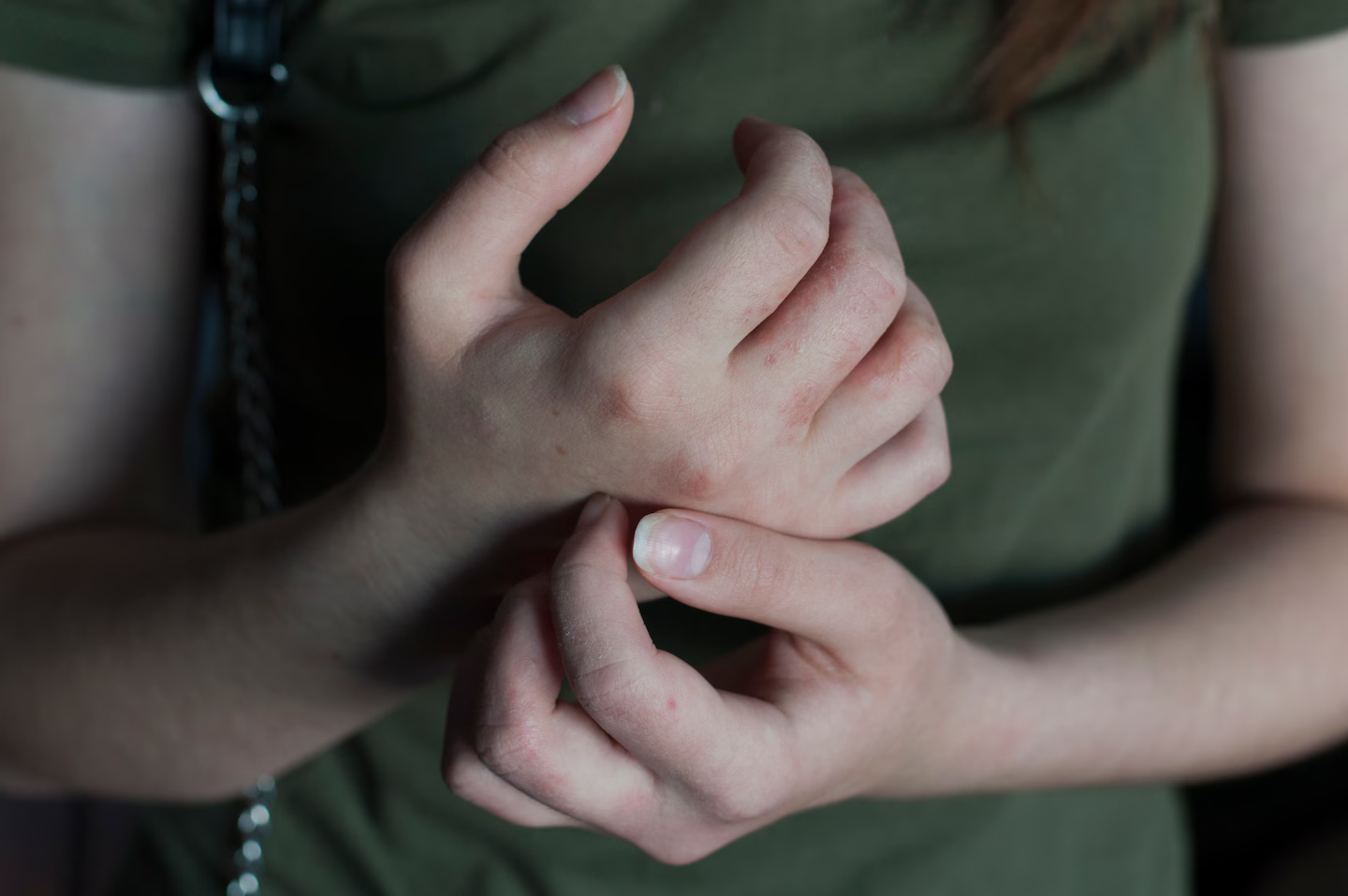
Research shows children with higher levels of triclosan in their urine are 23% more likely to develop eczema symptoms, highlighting concerns over its presence in various personal care products despite regulatory restrictions.
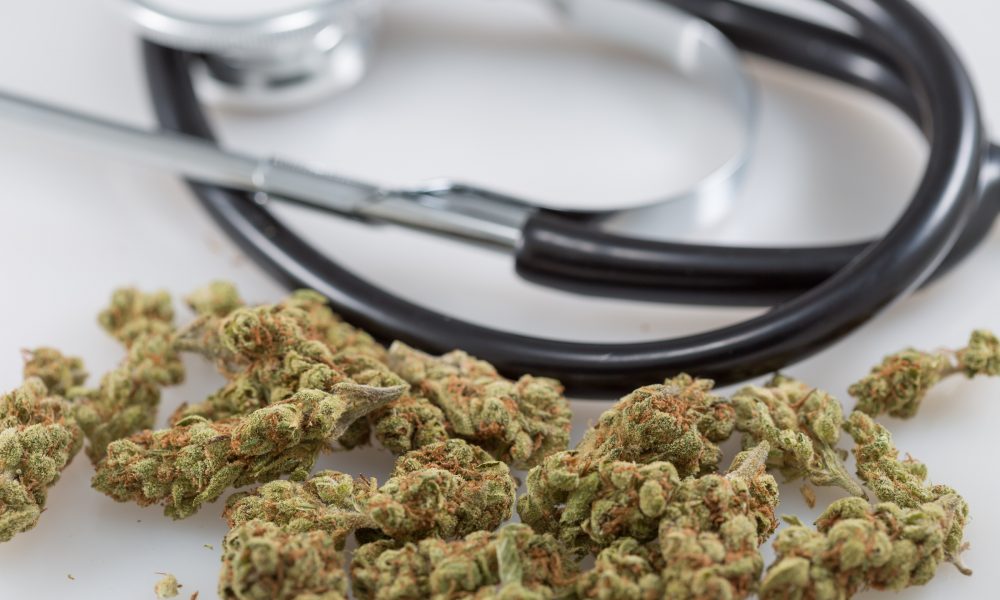
A study published in the journal Molecules suggests that lesser-known cannabinoids found in hemp and marijuana, such as THCV, CBDV, CBC, CBM, and CBN, may hold therapeutic promise for treating dermatological diseases like psoriasis, eczema, and acne. These minor cannabinoids have been found to exhibit various pharmacological activities, including anti-inflammatory, analgesic, antimicrobial, and anti-itch properties. For example, CBDV has shown potential in alleviating itching and swelling associated with atopic dermatitis, while THCV may help regulate sebum production and combat acne. However, further research is needed to confirm their effectiveness and safety, and there are still barriers to progress, including issues related to product quality, regulation, and legality.
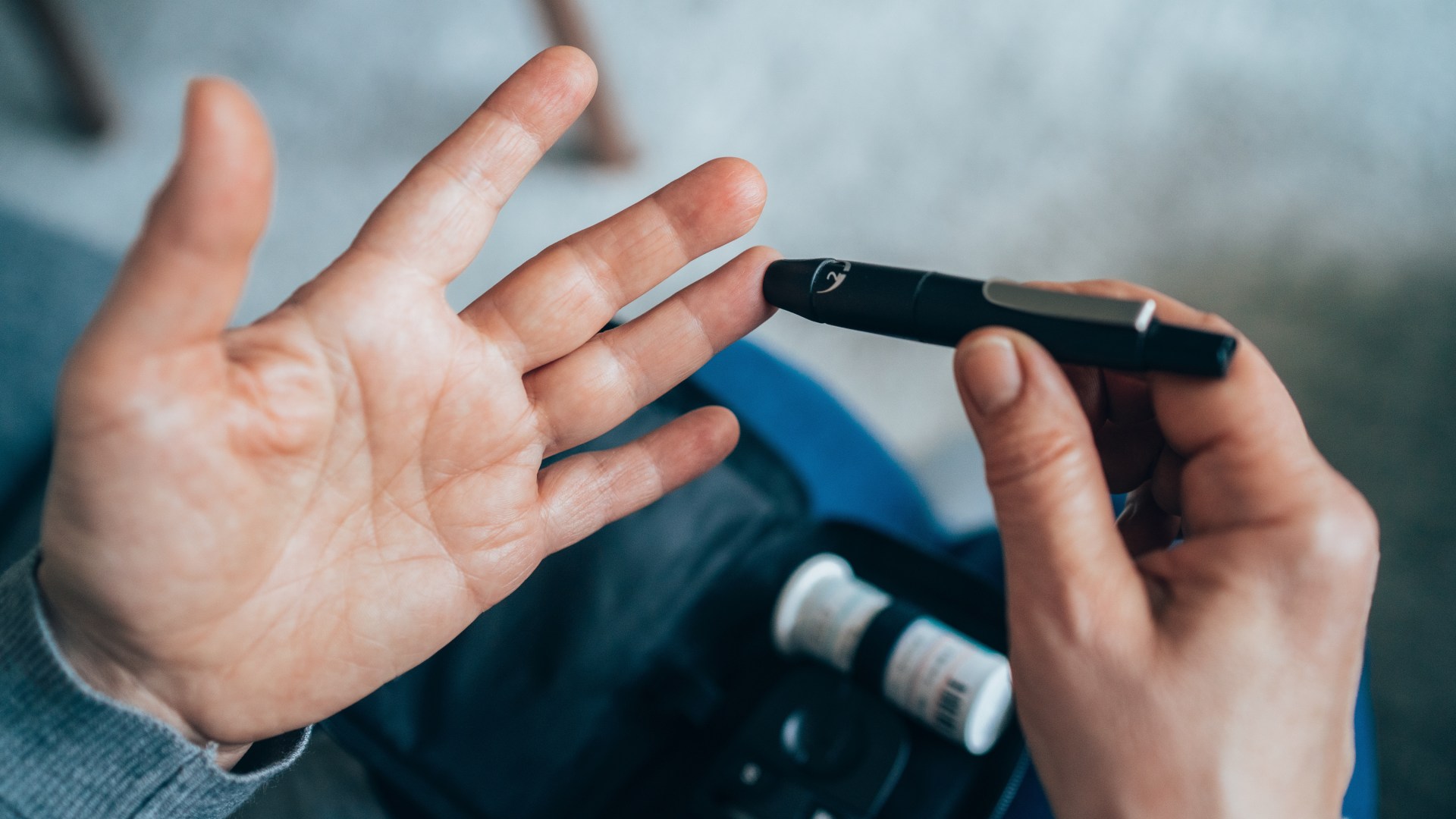
Type 1 diabetes affects up to 400,000 Brits and can be deadly if left untreated. While the most common signs of diabetes include peeing more than usual, feeling thirsty all the time, and feeling very tired, there are some unusual signs to watch for, such as mood swings, pins and needles, and skin problems. A sweet-smelling breath could indicate diabetic ketoacidosis (DKA), a life-threatening illness if left untreated. Acanthosis nigricans (AN), a condition characterized by a dark band of velvety skin that usually appears on the back of the neck, is more commonly seen in those before a diagnosis and can be treated by managing the root problem - diabetes.