Tag

Eczema

All articles tagged with #eczema

New Hypothesis Links Allergies to Mitochondrial Failure in Barrier Cells
health16 hours ago

New Hypothesis Links Allergies to Mitochondrial Failure in Barrier Cells

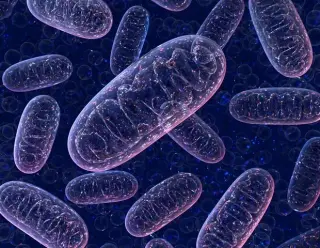
A new study challenges the 60-year consensus that allergies originate in the immune system, proposing instead that they begin with a 'power failure' in the mitochondria of barrier cells lining the skin, gut, and lungs. Researchers at Griffith University analyzed 116 case-control cohorts involving 3,776 patients, finding that genes responsible for clearing damaged mitochondria were significantly reduced in patients with eosinophilic esophagitis and eczema. This bioenergetic collapse may weaken the body’s barrier, triggering immune responses that manifest as allergies. While the evidence is strongest for esophageal and skin conditions, the pattern was absent in established asthma and nasal polyps, suggesting the mechanism may not apply to all allergic diseases. The authors emphasize this is a hypothesis requiring further testing in infants before symptoms appear, rather than a proven cure.

Dutch Study Links Maternal Gut Microbiome to Infant Eczema and Microbial Transmission
health3 months ago

Dutch Study Links Maternal Gut Microbiome to Infant Eczema and Microbial Transmission

A large-scale Dutch study reveals that the maternal gut microbiome is the primary source of infant gut bacteria, with transmission rates declining as infants age. The research highlights that mode of delivery and feeding practices significantly shape infant microbial communities, while maternal gut composition predicts the risk of infant eczema. Vaginal and breast milk microbiomes play minor roles in strain transmission compared to the gut.

Scratch Less: Research Links Itching to Increased Inflammation in Eczema
health4 months ago

Scratch Less: Research Links Itching to Increased Inflammation in Eczema

University of Pittsburgh researchers show that scratching an itch activates mast cells to release histamine and substance P, boosting inflammation and prolonging the itch-scratch cycle in an eczema-like mouse model; mice prevented from scratching or lacking itch-sensing neurons had less inflammation, while scratching altered the skin microbiome, suggesting itching evolved partly to defend against infection but worsens chronic dermatitis. Cold compresses and 1% hydrocortisone cream can help relieve itching.

Scratch That Itch: Study Links Scratching to Longer Eczema Flare via Mast Cells
health4 months ago

Scratch That Itch: Study Links Scratching to Longer Eczema Flare via Mast Cells

University of Pittsburgh researchers found that scratching an itch triggers mast cells to release histamine and other inflammatory chemicals, increasing inflammation and prolonging the itch-scratch cycle. In mice, those allowed to scratch showed more substance P and inflammation, while preventing scratching reduced inflammation; scratching also lowered levels of Staphylococcus aureus, but the skin damage from chronic scratching likely outweighs this benefit. Cold compresses and 1% hydrocortisone can help relieve itching. The study, published in Science, sheds light on the evolutionary role of scratching in skin defense but with a caution for chronic inflammation.

AbbVie to Acquire Apogee for $10.9B to Snag Eczema Drug Candidate
business5 months ago

AbbVie to Acquire Apogee for $10.9B to Snag Eczema Drug Candidate

AbbVie agreed to acquire Apogee Therapeutics for $10.9 billion in cash, gaining control of zumilokibart, a late-stage anti-IL-13 eczema antibody that could compete with Lilly’s Ebglyss and Regeneron/Sanofi’s Dupixent. The deal complements AbbVie’s immunology portfolio (Skyrizi, Rinvoq) and may offer less frequent dosing (every 3–6 months) based on Phase 2 data. Apogee previously secured up to $1.3 billion from Blackstone Life Sciences, and the transaction values the stock at $135.11 per share. Key milestones include one-year Phase 2 data anticipated in early 2027 and Phase 3 data in 2028."

Hidden Peach-Fuzz Itch Pathway Revealed in Mice
science5 months ago

Hidden Peach-Fuzz Itch Pathway Revealed in Mice

University of Michigan researchers identify a dedicated population of touch-sensitive neurons that innervate fine vellus-like hairs (peach fuzz) and transmit mechanical itch in a mouse model of chronic skin inflammation. Removing or silencing these neurons markedly reduces scratching, and activating them with blue light reproduces itch behavior, confirming causality. The study also maps transmission proteins linking hairs to the spinal cord, with human neurons responding to the same proteins, suggesting a conserved mechanism and a potential new therapeutic target for persistent itch in eczema and related conditions.

Tiny Pod Residue on Clothes May Trigger Childhood Eczema
health6 months ago

Tiny Pod Residue on Clothes May Trigger Childhood Eczema

Dermatologists warn that concentrated laundry pods can leave a film of surfactants and fragrances on fabric, especially at waistbands and cuffs, which can irritate sensitive skin and contribute to eczema in children. Practical steps include using fragrance-free, dye-free detergents, avoiding pods, adding an extra rinse, washing new clothes first, and considering patch testing if flare-ups persist, alongside daily skin care and wearing gentle fabrics.

Brain-Skin Nerve Circuit Ties Stress to Eczema Flares
science8 months ago

Brain-Skin Nerve Circuit Ties Stress to Eczema Flares

A Science study shows a brain-to-skin neural circuit where stress activates sympathetic nerves that drive eosinophils, worsening eczema. In mice, reducing eosinophils diminished the stress-related flare, while in humans higher stress correlated with more inflammation and eosinophils, suggesting potential therapies that target this neuroimmune pathway to alleviate eczema symptoms.

Corvus' eczema pill shows early promise with strong skin-improvement signals
biotech10 months ago

Corvus' eczema pill shows early promise with strong skin-improvement signals

Corvus Pharmaceuticals reports encouraging early-stage results for its oral eczema treatment soquelitinib: after eight weeks, 75% of treated patients reached EASI-75 and 33% achieved clear or almost clear skin versus 20% and none on placebo, suggesting potential superiority to Dupixent, though data are preliminary and from a small trial.