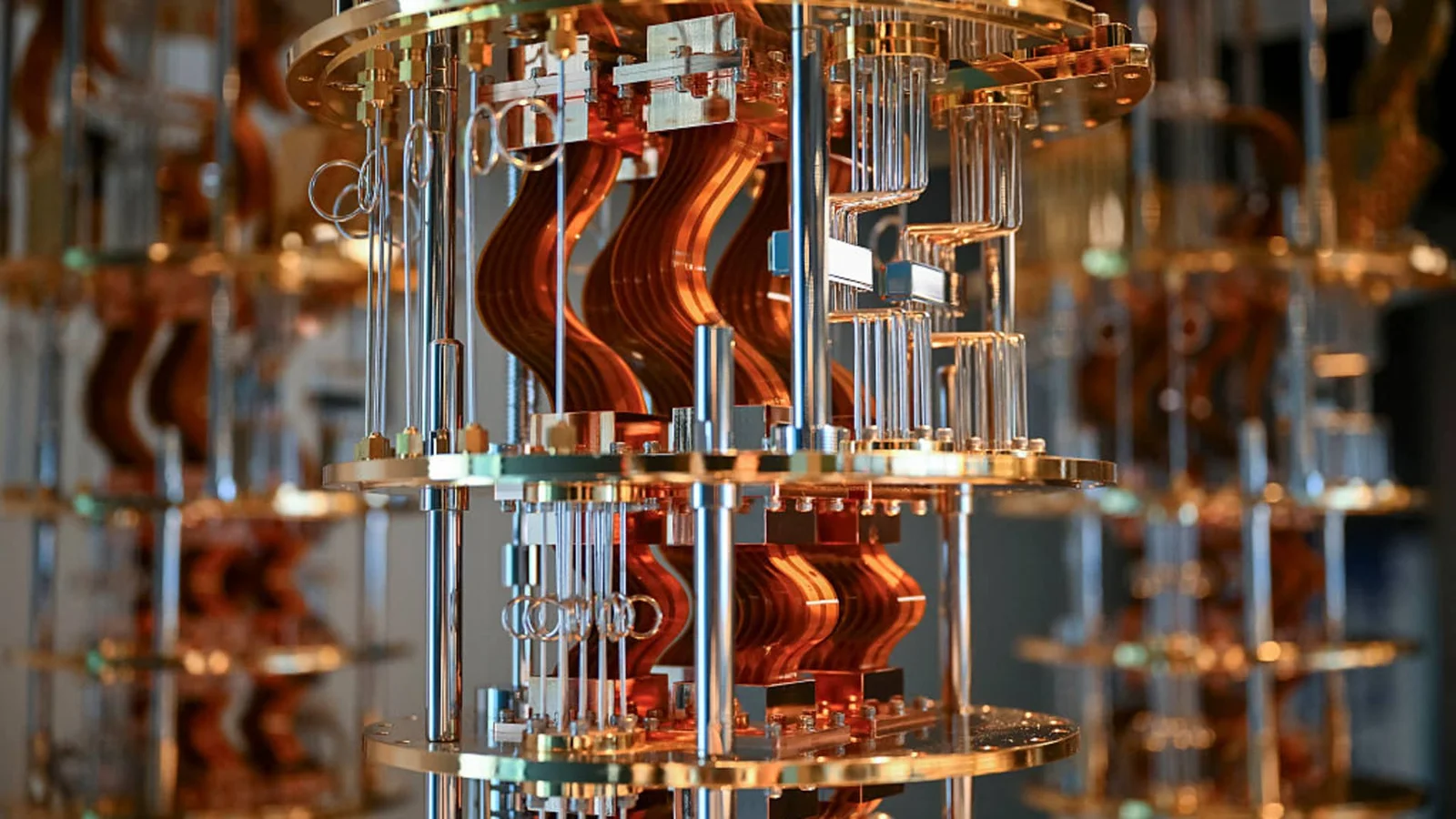
French quantum computing firm Pasqal surged 40% to $13.70 on its U.S. trading debut, following a merger with Bleichroeder Acquisition Corp. II. The company, which uses neutral-atom technology, recently announced a joint venture with Saudi firm Eleven Ventures and is backed by Nobel laureate Alain Aspect.
Ursa Major, a Colorado-based defense technology firm, will go public through a merger with Bleichroeder Acquisition Corp. III, valuing the combined entity at approximately $2.3 billion. The deal, announced August 25, 2026, secures at least $350 million in committed financing to expand production of hypersonic missiles and solid rocket motors. The transaction is expected to close in the first quarter of 2027, allowing Ursa Major to trade on Nasdaq. The capital will fund the conversion of its Galeton, Colorado, test site into a production campus and support the scaling of its HAVOC missile system and Draper liquid engine. This move marks a strategic shift from commercial rocket engine supply to broader defense manufacturing, aligning with Pentagon efforts to diversify the missile industrial base.
Quantum Space, led by former NASA administrator Jim Bridenstine, will merge with Inflection Point Acquisition Corp. VI to go public on Nasdaq (ticker QSPC) in Q4, backed by a $300 million PIPE and $253 million SPAC trust, valuing the company above $1.1 billion if no redemptions. Proceeds will fund ramping Ranger, expand manufacturing in Tulsa, and capitalize on Space Force demand via the Andromeda program, with projected 2026–2027 revenue but ongoing losses.
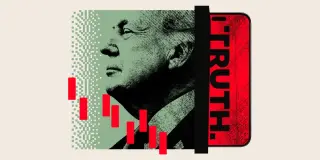
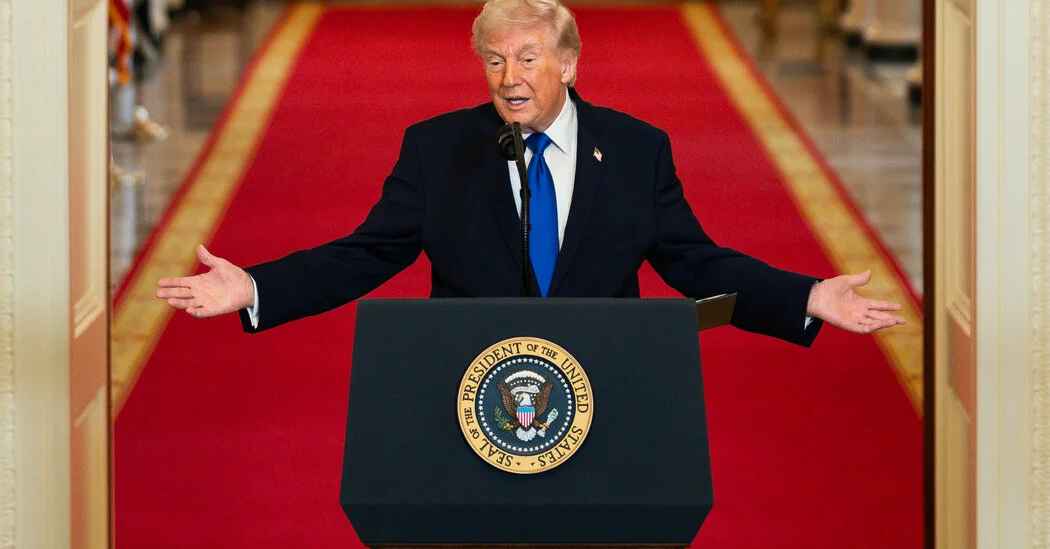
Trump Media and Technology Group’s stock has plunged about 90% since its 2024 SPAC IPO, with a $2.5 billion market cap, $3.7 million in 2025 revenue and a $712.3 million net loss, while its diversification moves—Truth Social, five tepid ETFs, a planned bitcoin trust and a nuclear-fusion merger—haven’t yielded meaningful profits; leadership shakeups and persistent short-seller pressure underscore investor skepticism that the Trump brand alone can drive lasting value.
Trump Media & Technology Group is considering spinning off its loss‑making Truth Social into a separate publicly traded shell and merging it with the Cayman Islands–based SPAC Texas Ventures Acquisition III, as part of a broader strategy that also includes a merger with fusion power company TAE Technologies. Details are scarce and no decision has been made; the move would create a pure‑play entity for Truth Social while the parent pursues other ventures, with Trump Media’s stock around $11 and a history of losses.
Finland’s IQM unveiled plans to become one of Europe’s first publicly listed quantum companies by merging with Real Asset Acquisition Corp in a US SPAC deal that values IQM at about $1.8 billion, with a potential June close and a dual Helsinki listing on the table. The transaction could bring more than $300 million in funding as IQM scales its open-architecture quantum systems, after selling 21 quantum units to 13 customers and reporting at least $35 million in unaudited revenue for 2025.
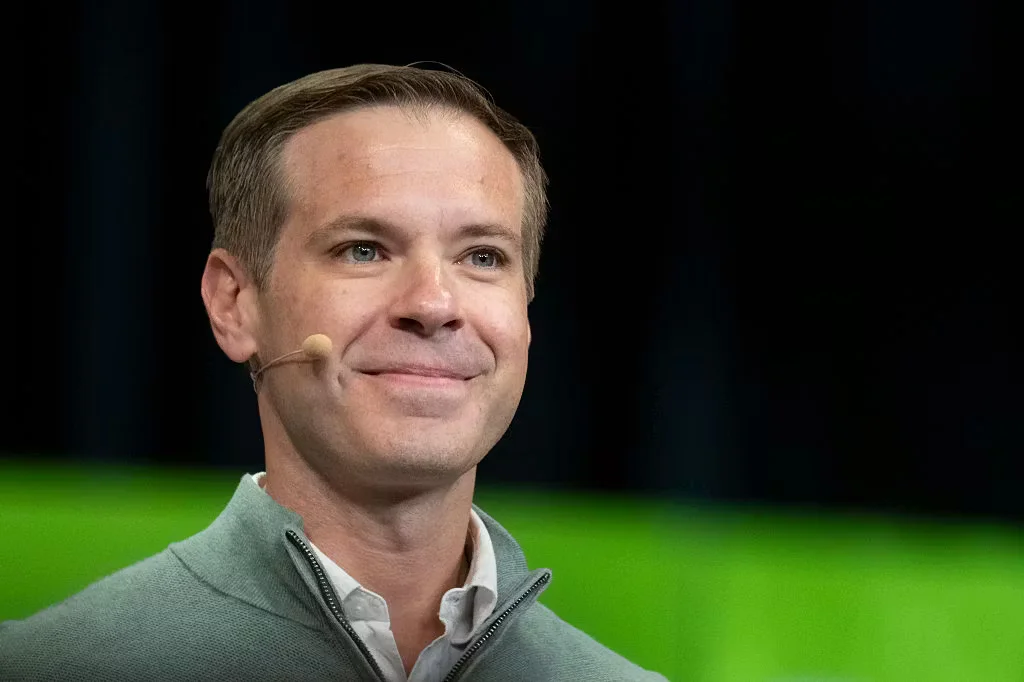
Infleqtion began trading via a SPAC merger and posted a double-digit first-day gain as CEO Matt Kinsella says the moment is a refueling toward turning quantum from lab to market. He cites a Nvidia‑style strategy of applying the company’s neutral-atom quantum core to sensing, timekeeping, and computing, with a road map to 30 logical qubits by year-end and 100 by 2028, and notes revenues of about $29 million in 2024 and $50 million booked in 2025 to fund R&D and growth. He stresses focusing on long‑term shareholder value over daily stock moves, plans disciplined R&D investment (not a material burn rate increase), and envisions bolt‑on tech acquisitions only if they accelerate the roadmap. Infleqtion is the first quantum company to go public this year, with peers Xanadu and Quantinuum expected to follow, and management remains focused on commercialization rather than chasing a quick market multiple.
NSF launches a $100 million National Quantum and Nanotechnology Infrastructure program to fund up to 16 open-access sites over five years to give researchers and startups access to chip fabrication, testing, and training tools; Delta Gold Technologies signs a multi‑year, up‑to‑$2.99 million gold‑based quantum IP deal with Penn State; Xanadu Quantum Technologies releases a method to cut quantum‑chemistry resource needs by more than an order of magnitude; Oxford Quantum Circuits demonstrates wafer‑scale packaging for 500+ qubits with strong fidelity, signaling progress toward larger machines; Infleqtion’s SPAC merger with Churchill Capital X secures over $550 million in gross proceeds, setting Infleqtion up to list on the NYSE as INFQ.
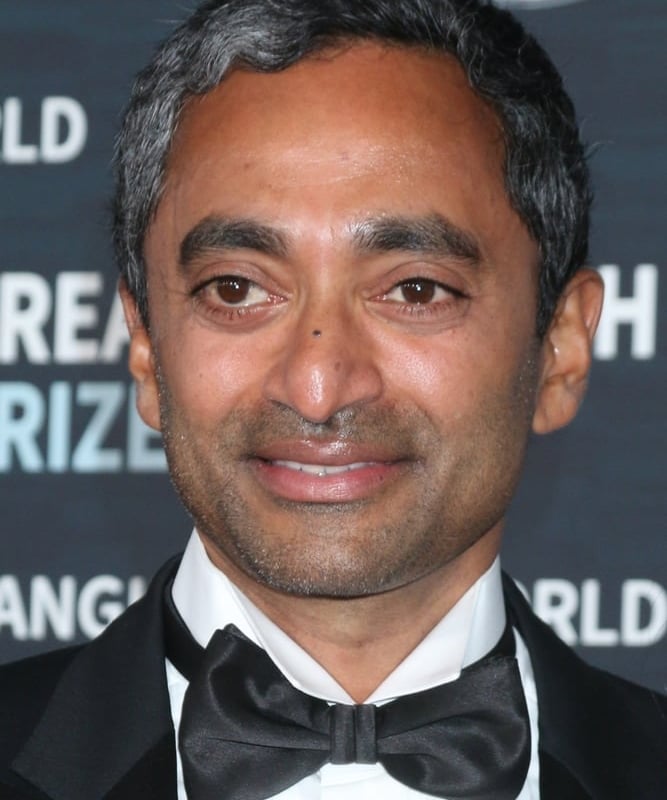
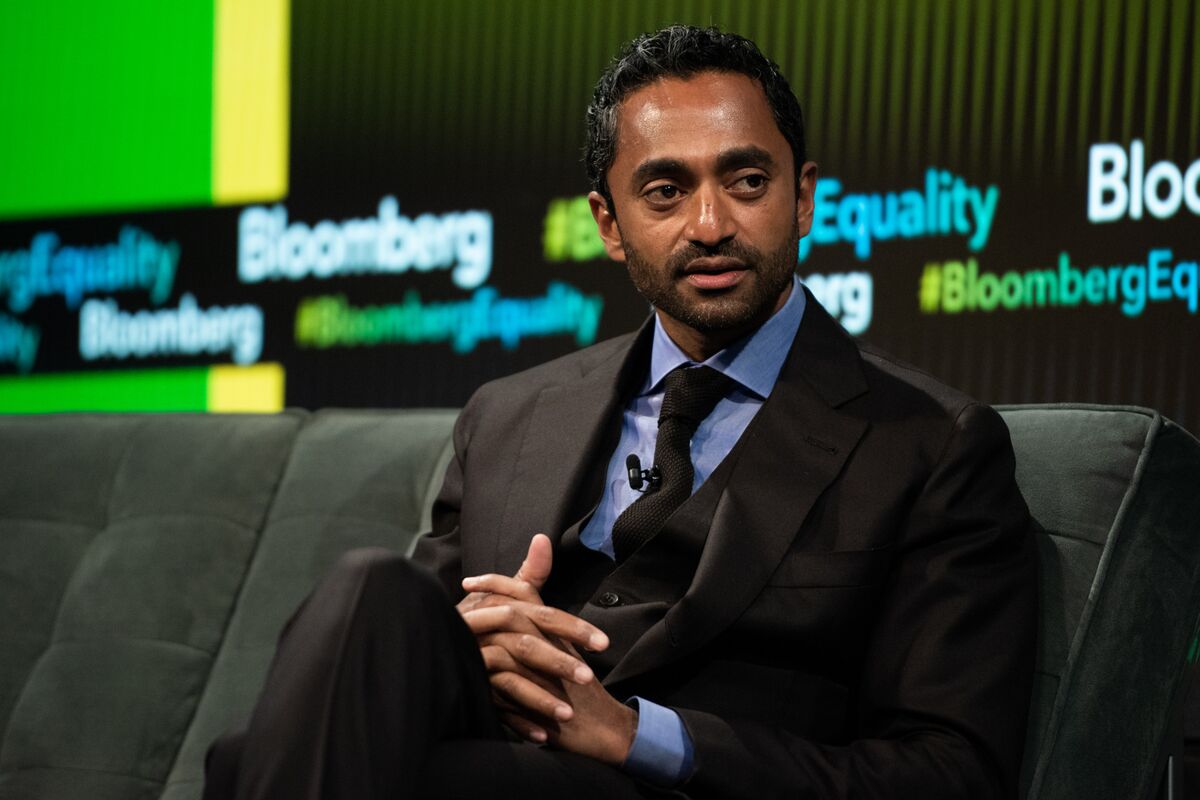
Chamath Palihapitiya, through his firm Social Capital, is set to profit significantly from Nvidia's $20.6 billion acquisition of Groq, a company he early invested in and helped fund, which has now achieved a billion-dollar valuation. Palihapitiya's early backing and board membership have positioned him for a substantial windfall, potentially boosting his net worth beyond $1.2 billion.
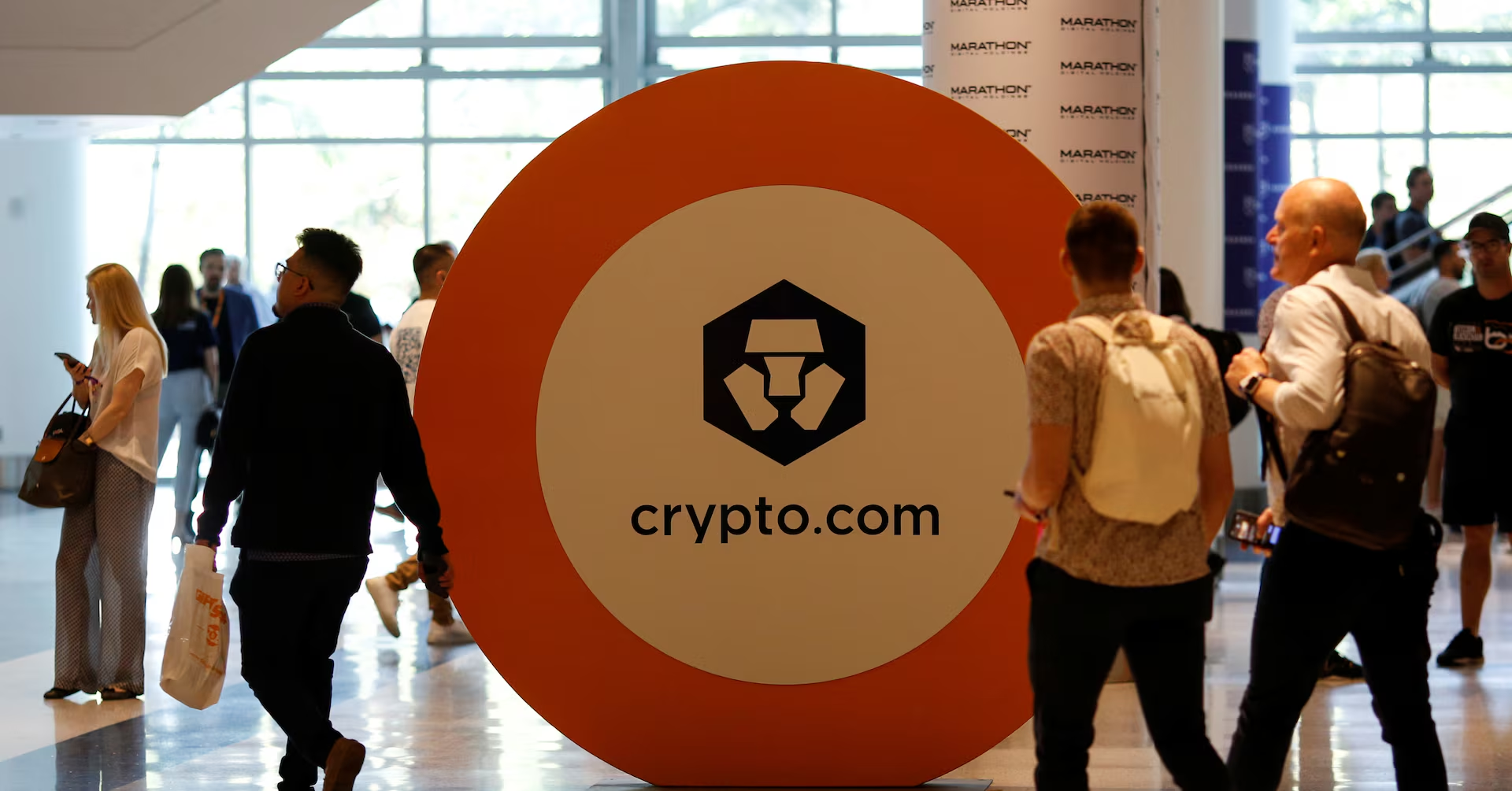
Trump Media and Crypto.com have announced a deal with a SPAC to create a new crypto venture focused on accumulating the platform's native token CRO, following a strategy similar to MicroStrategy's bitcoin holdings, and going public on Nasdaq. The move reflects growing corporate interest in crypto treasury strategies, with the CRO token surging after the announcement.
Despite earlier dismissals of crypto, firms like Social Capital are now launching SPACs to invest in Bitcoin, while tech giants like Google are heavily investing in Bitcoin mining, and the number of public companies holding Bitcoin has nearly doubled globally, raising questions about regulatory impacts and the future of corporate Bitcoin holdings.
Billionaire Chamath Palihapitiya filed a $250 million SPAC called American Exceptionalism Acquisition Corp to target DeFi, AI, energy, and defense sectors, emphasizing the future of decentralized finance over Bitcoin as a bridge to traditional markets. Despite a mixed record with past SPACs, Palihapitiya remains optimistic about crypto's mainstream acceptance, especially after regulatory crackdowns have eased. The SPAC aims to leverage DeFi's potential to disintermediate traditional finance, with a focus on integrating blockchain solutions into conventional sectors.
Chamath Palihapitiya, once a prominent figure in the SPAC industry, is returning with a new $250 million SPAC called American Exceptionalism Acquisition Corp., aiming to leverage his expertise and revive his presence in the post-crash SPAC market, which is currently experiencing a resurgence fueled by crypto and political connections.
An Ethereum treasury firm, Ether Machine Inc., is going public through a $1.5 billion SPAC merger with Dynamix Corp., backed by significant crypto and stock financing, aiming to list on Nasdaq under the ticker ETHM, amidst a surge of crypto-related market activity.
Donald Trump Jr's online gun company GrabAGun, which went public via a SPAC merger, experienced a significant stock decline shortly after its debut, highlighting skepticism around its valuation and the use of SPACs for IPOs.