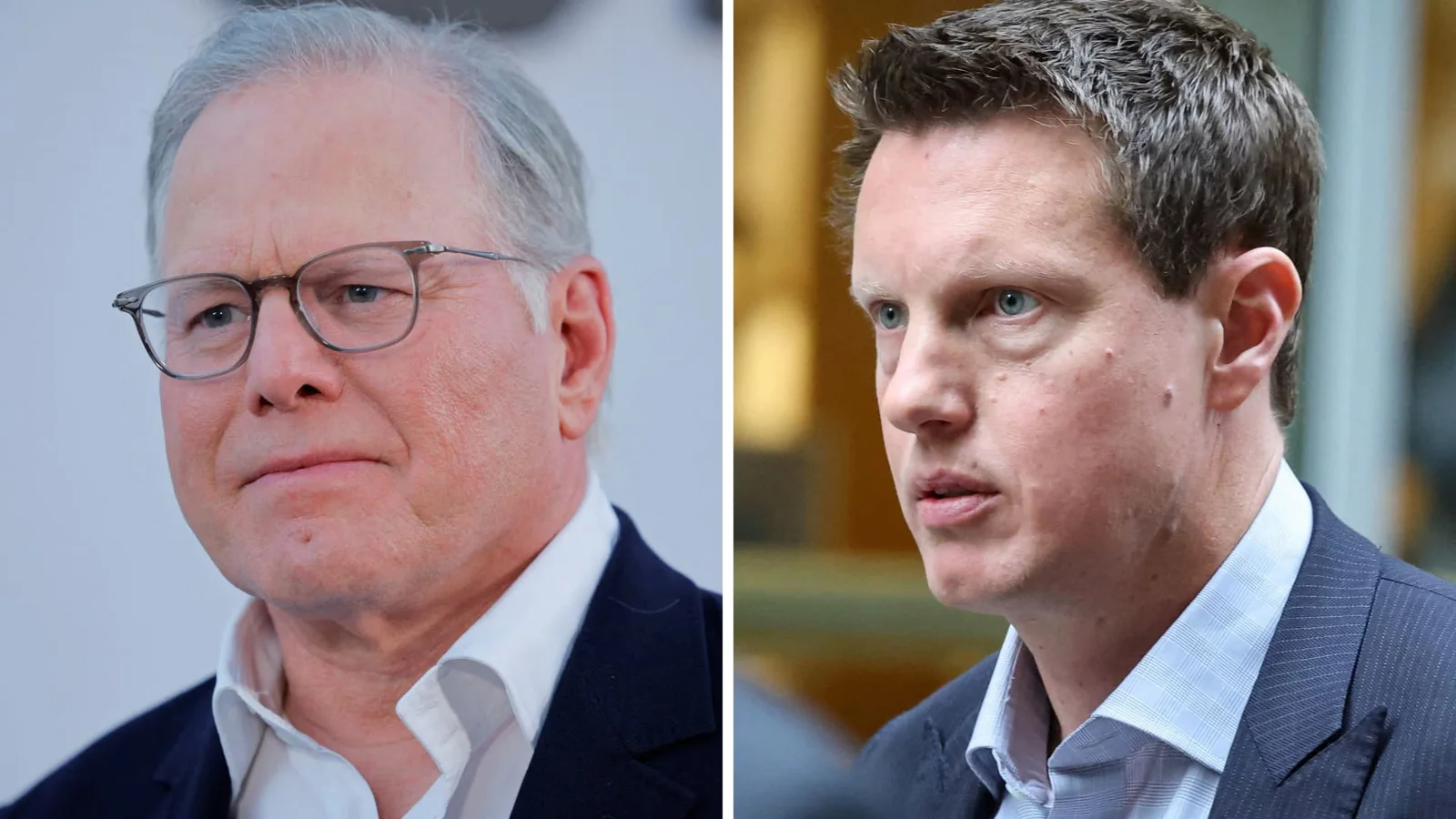
Disney's new CEO Josh D’Amaro says ESPN will remain part of the company and plans to shift more sports to Disney+ to reach casual fans, while noting ongoing high rights costs and abandoning any spin-off despite ESPN’s recent 17% earnings dip in Q3 2026.
US antitrust regulators appear ready to approve Paramount's $110 billion takeover of Warner Bros. Discovery, with a plan to unify CBS Sports and TNT Sports under one umbrella by Q3 2026; however, state regulators are expected to scrutinize the deal and a private antitrust lawsuit could delay it. If approved, the merged company would become a major player in sports rights, potentially reshaping where UFC, NFL, March Madness, and other programming air.
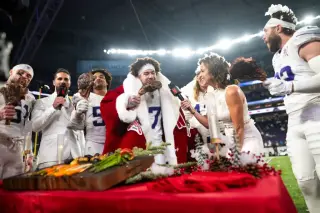
Netflix announced a four-year extension with the NFL through 2029-30, adding three regular-season games for the 2026-27 season (including a Rams-49ers game in Australia and a Thanksgiving Packers-Rams matchup) plus a Week 18 game, with games streaming in over 200 countries while also airing on local over-the-air broadcasts in team markets.
ESPN will host The CW’s live sports on the ESPN app’s Unlimited tier for four years, delivering 800 hours of ACC, Pac-12 and Mountain West college football and basketball, NASCAR’s O'Reilly Auto Parts Series, PBR bull riding, PBA bowling, and WWE NXT, expanding ESPN’s streaming sports catalog while giving The CW access to a larger audience without launching a new standalone service.
Under a new pact, ESPN will stream roughly 800 hours of CW Sports programming—covering college football and basketball, pro bull riding, WWE, NASCAR, PBA bowling and more—on ESPN's direct-to-consumer service, while The CW handles ad sales; the CW streams will be exclusive to ESPN’s platform and won’t appear on ESPN’s linear channels. The deal leverages CW access to ACC, Mountain West and Pac-12 games plus WWE content, filling gaps in ESPN’s slate and signaling ongoing bundling of sports content. Separately, The CW and Roku announced a Fall 2026 deal to bring CW programming to The Roku Channel for next-day streaming.
If the Paramount-WBD merger proceeds, Paramount may unwind WBD's aggressive sports rights strategy, potentially pulling back from large MLB/NHL packages; Jeff Shell's role at Paramount is uncertain, and a shift could open opportunities for rivals like Versant to acquire live sports inventory.
The ongoing carriage dispute between Fox and YouTube TV is likely to be resolved soon due to the changing landscape of sports broadcasting, where streaming options have reduced the leverage of content providers like Fox. Both sides are economically incentivized to reach an agreement, as prolonged blackouts could lead to significant revenue losses and subscriber churn. The shift to streaming has empowered distributors and made negotiations more balanced, making a long-term blackout unlikely.
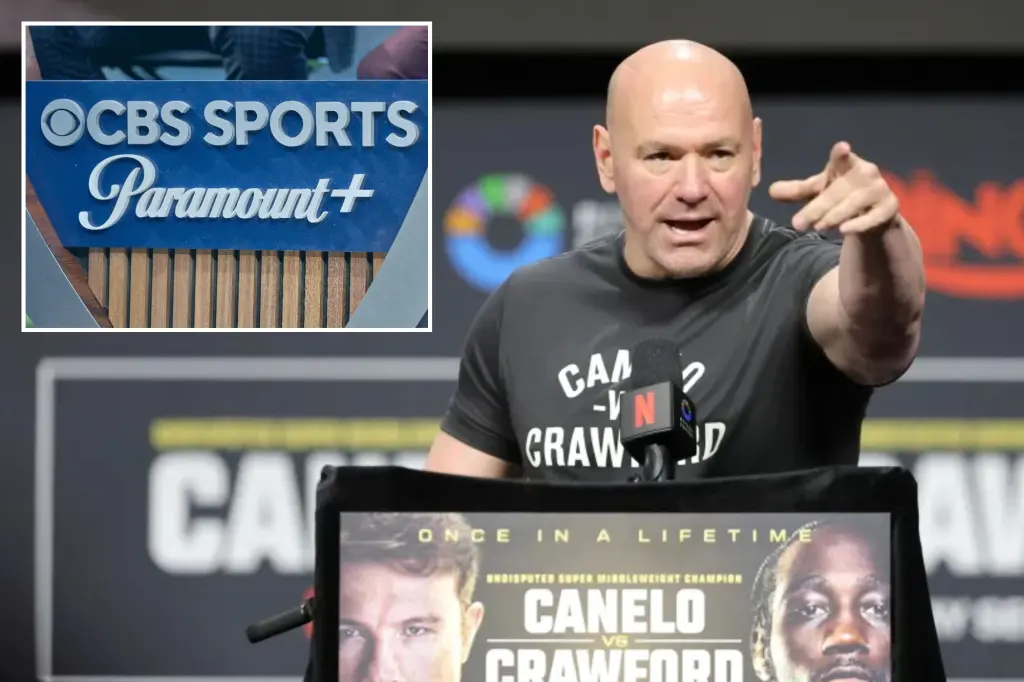
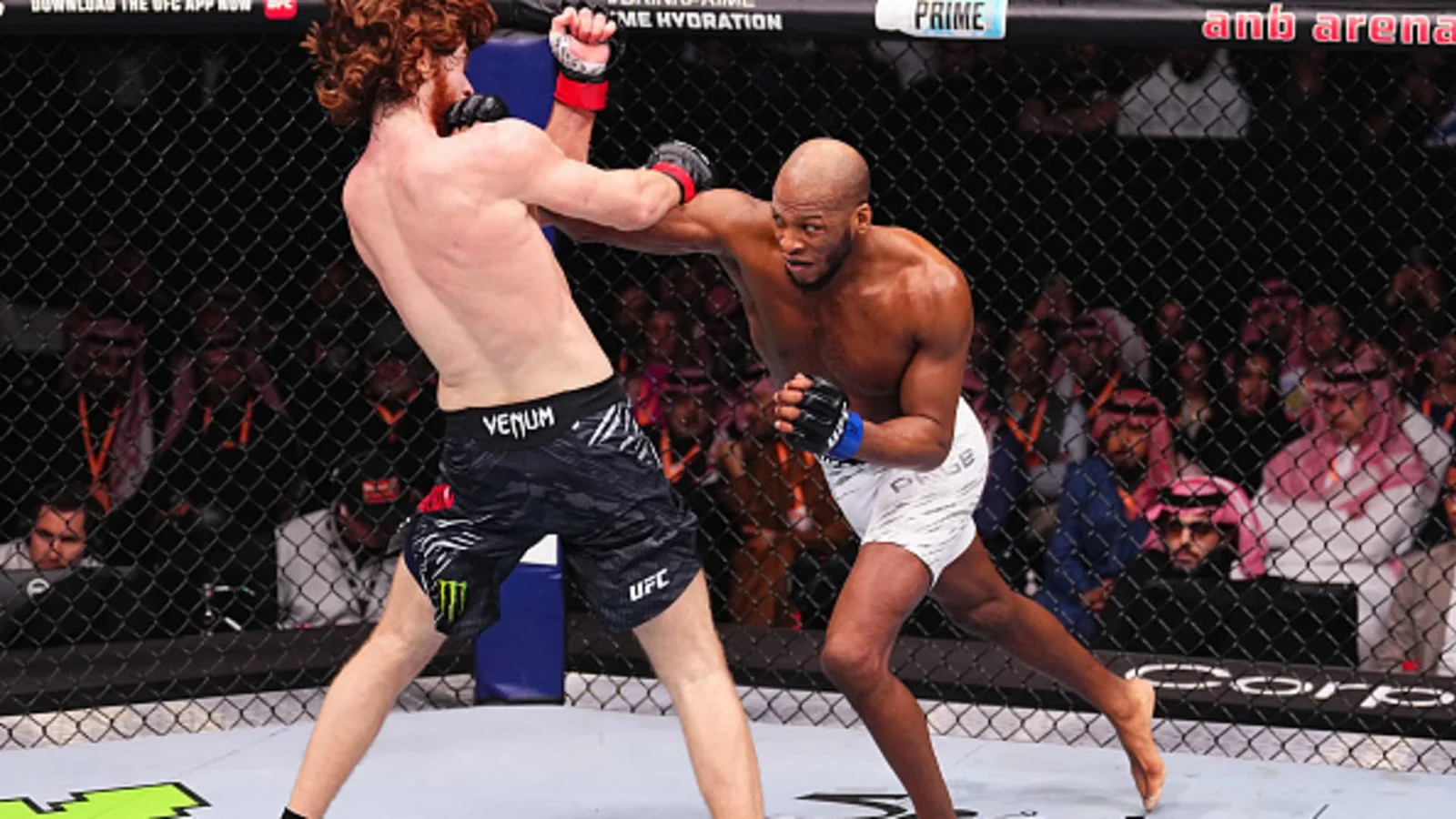
Paramount has acquired UFC rights in a $7.7 billion, seven-year deal starting in 2026, replacing pay-per-view with all events accessible via Paramount+ and select on CBS, marking a major shift in UFC broadcasting and increasing accessibility for fans.
Paramount has acquired the U.S. rights to UFC for seven years starting in 2026, paying $7.7 billion, and will stream all events on Paramount+ without additional pay-per-view fees, marking a major move following its merger with Skydance and reflecting a shift away from traditional pay-per-view models.
Warner Bros. Discovery is splitting into two companies, raising questions about the future of TNT Sports and its live sports rights, which may be licensed to other entities or merged with other companies, as the company shifts its focus away from sports as a driver for HBO Max.
Netflix's decision to spend $5 billion on WWE rights over the next ten years is seen as a strategic move to strengthen its position in the global streaming market and combat subscriber churn. The acquisition of international rights for WWE content, including live shows and pay-per-views, is expected to attract and retain a diverse audience. Additionally, the shift towards sports rights reflects a broader trend in the streaming industry, with other platforms also pursuing similar deals. Meanwhile, director Doug Liman is boycotting the premiere of his film, "Road House," due to its straight-to-streaming release, emphasizing the importance of movie theaters.
Major streaming platforms like Netflix, Amazon, Apple, and Google have made significant strides in securing live sports rights, with Netflix recently acquiring WWE Raw for an astounding $5 billion over ten years. This marks a shift in the sports media landscape, with each major streaming platform now having a flagship live sports property. The increased competition is expected to lead to higher rights fees and further fragmentation of sports rights, potentially making it more challenging for fans to access content. With the seal broken, it's likely that more live sports will be heading to streaming platforms in the near future.
Apple is focusing on quality over quantity as it aims to attract sports fans to its streaming service. The company has been investing in exclusive, global, and premium sports content, such as its successful deal with Major League Soccer (MLS) and the potential bid for Formula One (F1) rights. Apple's strategy is to differentiate itself from competitors like Netflix and Disney by offering high-quality sports programming. The recent signing of soccer superstar Lionel Messi to MLS led to a surge in sign-ups for Apple's streaming package. Analysts believe that acquiring F1 rights would be a "net additive" for Apple, as it would bring in a new audience and add to the company's sense of exclusivity. There is also speculation that Apple could pursue a deal with ESPN to further expand its sports content offerings.