
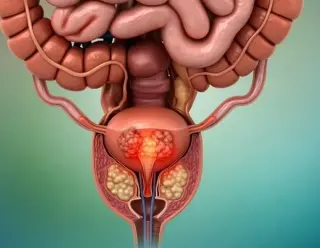
Prostate cancer hijacks amino acids to fuel cholesterol and therapy resistance
Weill Cornell researchers found that prostate tumors rewire amino acid metabolism to raise propionyl-CoA, which propionylates and stabilizes the SREBP2 transcription factor, keeping cholesterol production active even when hormone signaling is blocked. This supports androgen receptor activity and may drive resistance to therapies like enzalutamide; strategies that reduce isoleucine/valine intake or target the propionyl-CoA–SREBP2 axis could improve treatment responses.