Tag

Stargazing Tips

All articles tagged with #stargazing tips

Lyrid Meteor Shower 2026: Best Dawn Hours to Catch Shooting Stars
astronomy1 month ago

Lyrid Meteor Shower 2026: Best Dawn Hours to Catch Shooting Stars

In 2026 the Lyrid meteor shower runs April 16–25, with peak activity around 4 p.m. EDT (2000 GMT) on April 22; the best viewing for U.S. observers is in the pre-dawn hours of April 22, when up to about 18 meteors per hour radiate from near Vega in Lyra. A 27%-lit waxing moon sets around 2 a.m., dark skies will help; to maximize your chances, head away from city lights, give 20–30 minutes for night adaptation, use red light, avoid binoculars, and look toward the radiant (near Vega) after moonset.

"Orionids Meteor Shower: A Spectacular Celestial Show to Catch This Weekend"
astronomy2 years ago

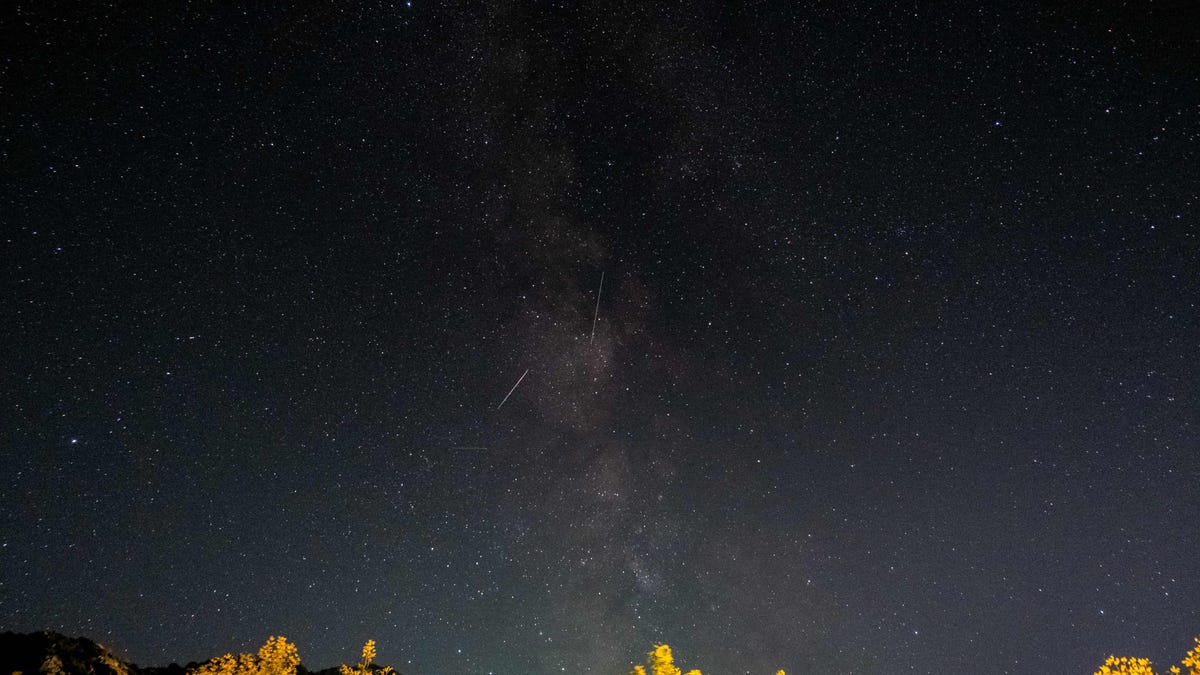
"Orionids Meteor Shower: A Spectacular Celestial Show to Catch This Weekend"

The Orionids meteor shower, resulting from Earth passing through the dust and particles of Halley's Comet, will peak this weekend, offering a chance to witness one of the most stunning celestial events of the year. The meteor shower, often mistaken for shooting stars, leaves light trails and can produce bright fireballs. This year, the Orionids will be at their best during the pre-dawn hours of October 21 and 22. No equipment is needed to view the show, but allowing your eyes to adjust to the dark and finding a dark, open area will enhance the experience.

Rare celestial event: Venus passes through Beehive Cluster tonight.
astronomy3 years ago

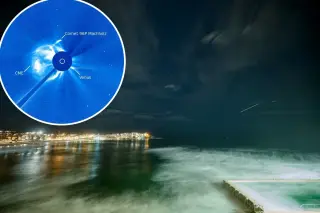
Rare celestial event: Venus passes through Beehive Cluster tonight.

Venus will pass over the Beehive Cluster, a star cluster located in the constellation of Cancer, from Monday to Wednesday this week. The Beehive Cluster is a swarm of around 1,000 stars, stretching about three times the size of a full moon. The spectacle will be visible to the unaided eye, but clearer with a telescope or binoculars. The Beehive Cluster is one of the closest star clusters to our solar system and includes yellowish tinted stars which are red giants and blue main sequence stars. Stargazers should look north towards Castor and Pollux in Gemini and southeast for Cancer to spot the Beehive Cluster.